B-52
Hartmut Bitomsky
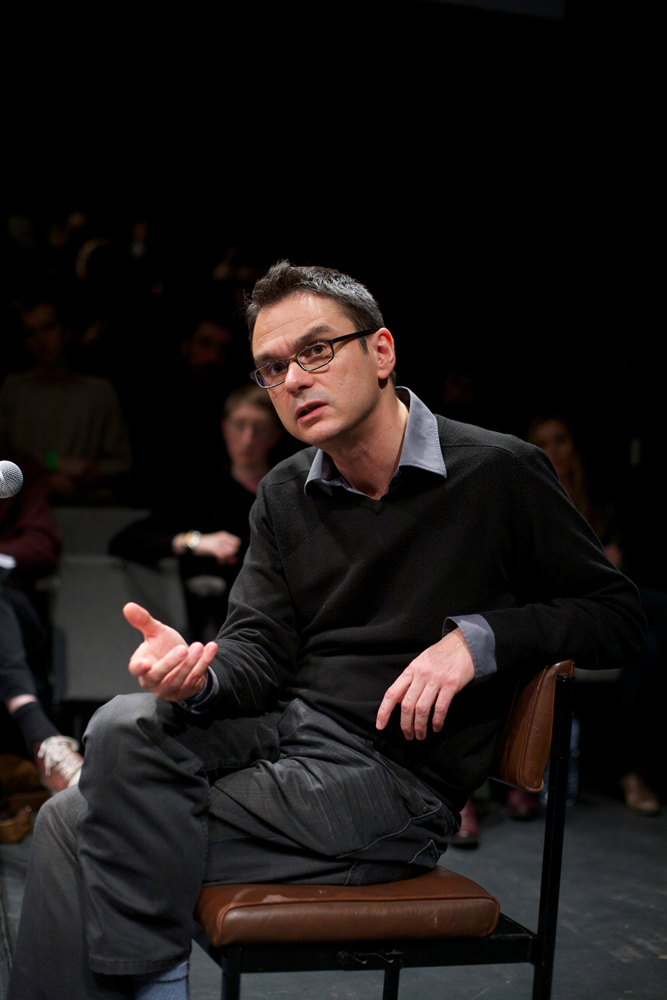
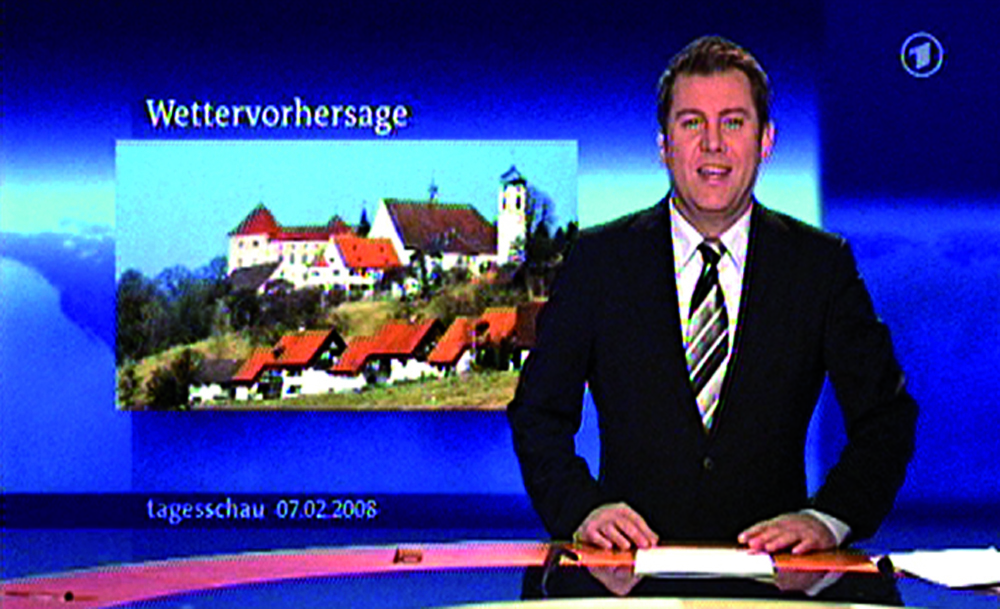
Hartmut is going to talk a little about his work at large and the politics of how his films are constructed. And we’ll screen one of his best films: B-52.
Arika have been creating events since 2001. The Archive is space to share the documentation of our work, over 600 events from the past 20 years. Browse the archive by event, artists and collections, explore using theme pairs, or use the index for a comprehensive overview.
Hartmut is going to talk a little about his work at large and the politics of how his films are constructed. And we’ll screen one of his best films: B-52.
Noise music for the eyes. A 6 screen 16mm projection performance of intense audio and visual stimulus.
A performed reflection on Malin’s previous re-enacting of a super influential landmark of performance art from the French feminist and artist Gina Pane.
A queer black operatic requiem for piano and voice that asks us to stay in the hold of the slave ship, that tries to understand the connection from the slave ship to the prison.
Has neoliberal capitalism locked down social experience? Are our seemingly subjective desires, our identities, pre-packaged by dominating social structures?
Includes: a classic of innovative computer graphics, ex-pat Scot McLaren on form, a riotous psychedelic oil show with a Soft Machine accompaniment, subtle manipulation of data feedback, a colourful road movie and a reworking of a lost Paul Sharits film.
Usurper luddite twins’ disabled instruments play a game of pick-up-sticks with the deconstructed horn of a young Derby opponent.
Loïc and Marc are proposing a series of investigations into the tension between improvisation and recording and how it can be used to engage with different spaces and environments around Dundee
With Taku we’ll carry out some simple proposals for doing almost nothing, for re-thinking sound with whatever comes to hand.
An occasion for commotion, and a chorus of motions. Choreography rotating your revolutions and then some.
A panel exploring how to dismantle the master’s house — its material edifices and ideological architecture — and the construction of abolitionist futures in the present.