Nmperign + Jason Lescalleet
Jason Lescalleet Nmperign
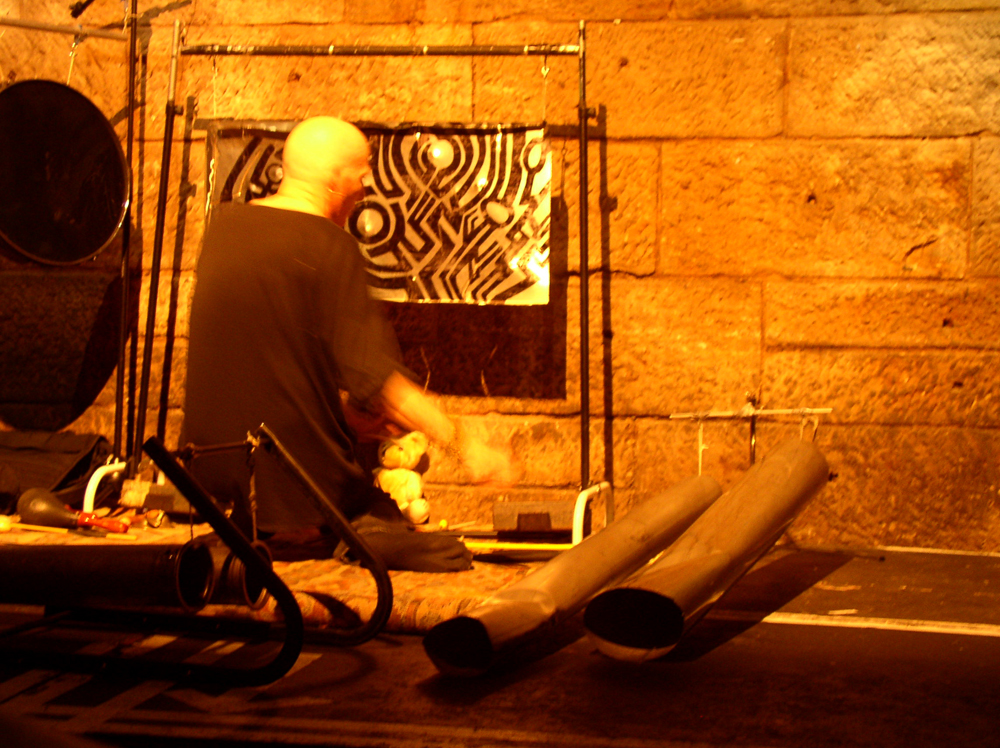
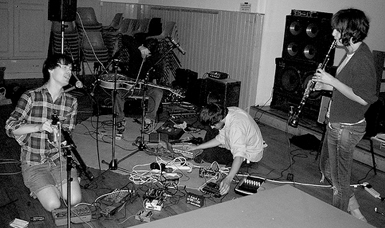
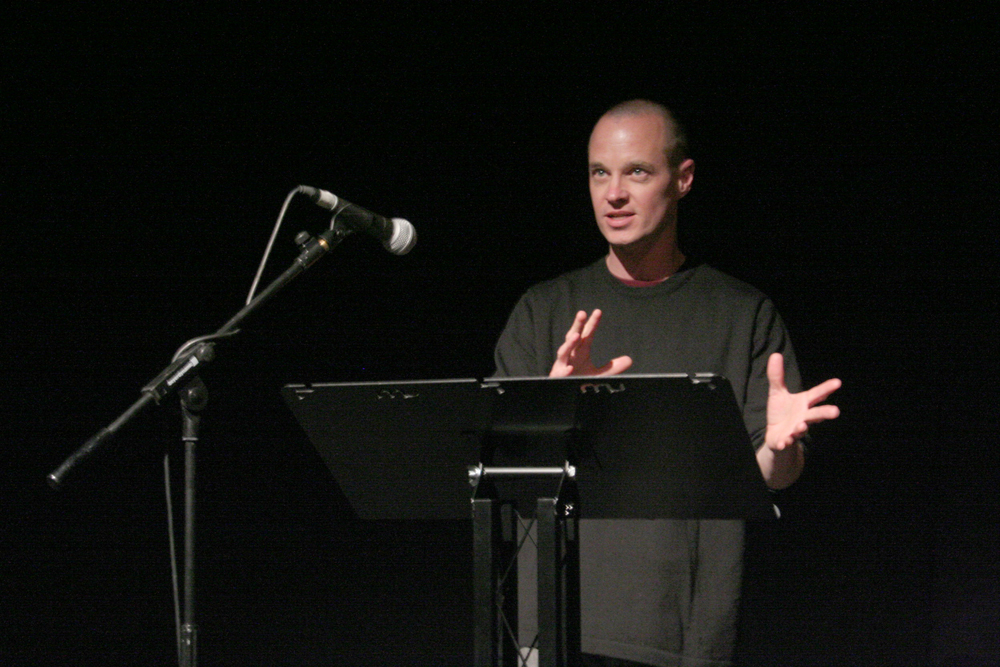
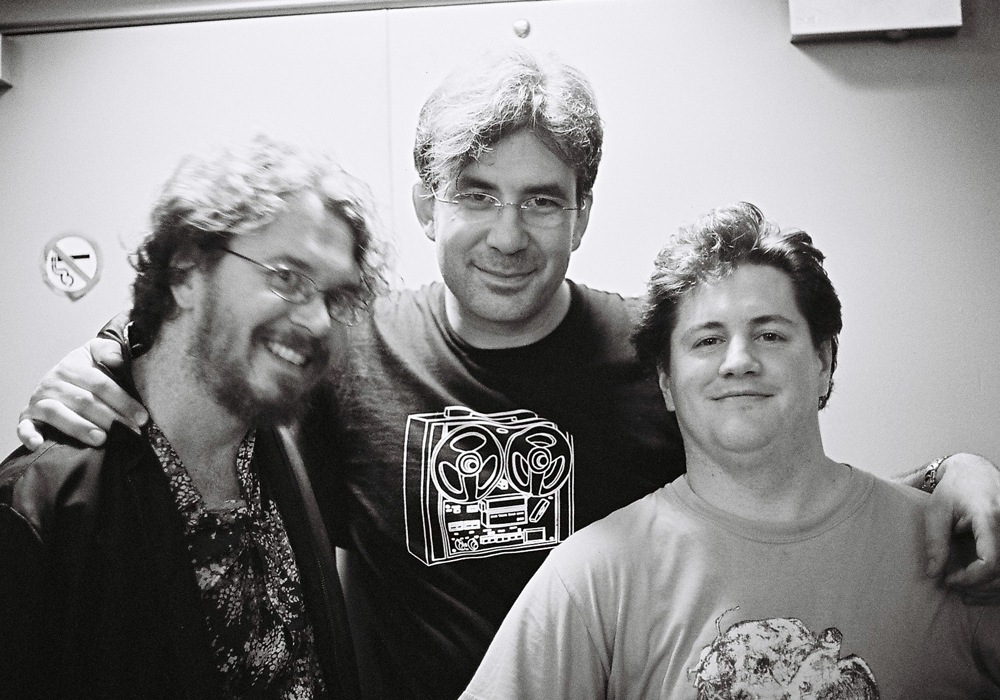
Music is full of refracted brass and wind tones, distorted tape loops, dead silent air and the occasional piercing shard of sound.
Arika have been creating events since 2001. The Archive is space to share the documentation of our work, over 600 events from the past 20 years. Browse the archive by event, artists and collections, explore using theme pairs, or use the index for a comprehensive overview.
Music is full of refracted brass and wind tones, distorted tape loops, dead silent air and the occasional piercing shard of sound.
The role of feelings in public life, (political) depression and creative survival.
A celebration of the release of four books written by members of, and focused on about the House and Ballroom scene.
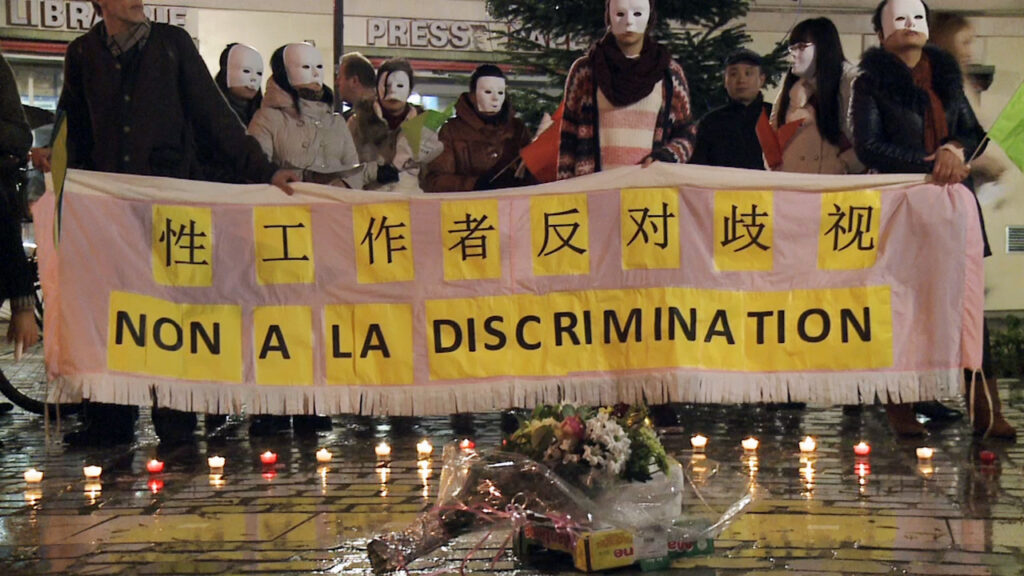
An evening of live performances, readings & saucy rococo cakes celebrating the launch of Truth and Lies – An Anthology of Writing and Art by Sex Workers.
US percussionist, poet, sound artist and instrument maker performing on self-made instruments constructed from industrial materials such as stainless steel, titanium, PVC plastics and various kinds of pipe.
Two-parts Helhesten spit strangled shanties and cracked reeds from under a net of the Glasgow Improv Orchestra’s six-strings and one moustache.
Discussion with David Keenan: an author, critic and musician based in Glasgow, Scotland. He is best known for the reviews and features he has contributed to The Wire.
Taking our festivals south of the border to The Sage Gateshead we set out to offer a few cardinal pointers in the vast array of experimental music practices.
Join Scot-PEP, SWARM and Decrim Now for a day of panel discussions focusing on: sex worker’s labour rights, how decriminalisation can help in the struggle for sex worker safety, sex work & migration with a film screening of Crossings.
A sound diffusion piece by Glasgow University’s Musica Electronica, and a further selection of electroacoustic performances.
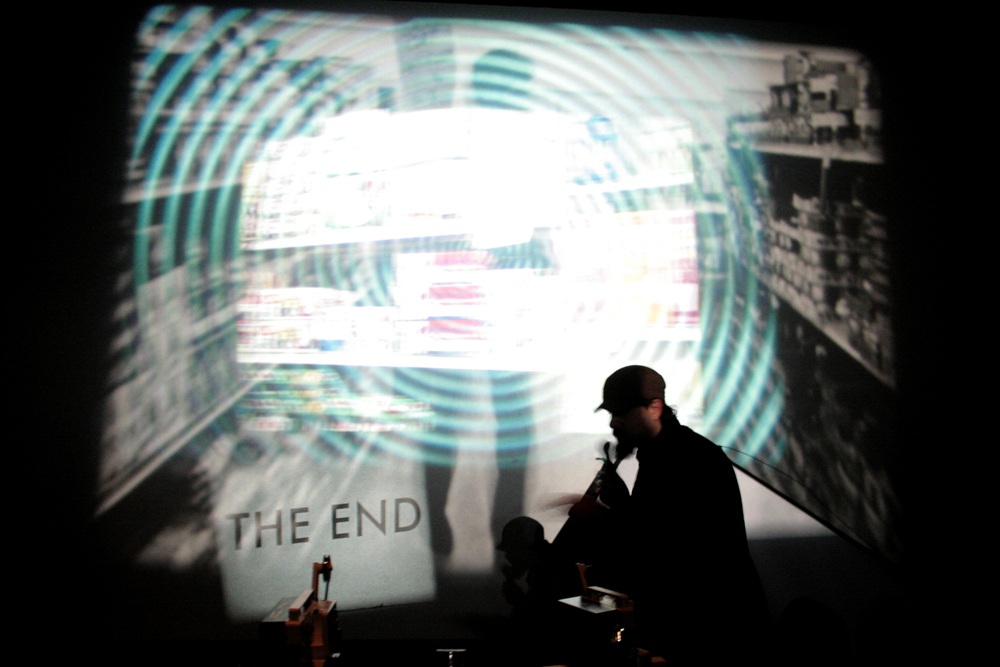
Quasi-theatrical multiple-projector pieces play with the relationship between performers, art and audiences.
Dworkin asks: What would a non-expressive poetry look like? A poetry of intellect rather than emotion?