Why improvised music is so boring
Diego Chamy Jean-Luc Guionnet Seijiro Murayama
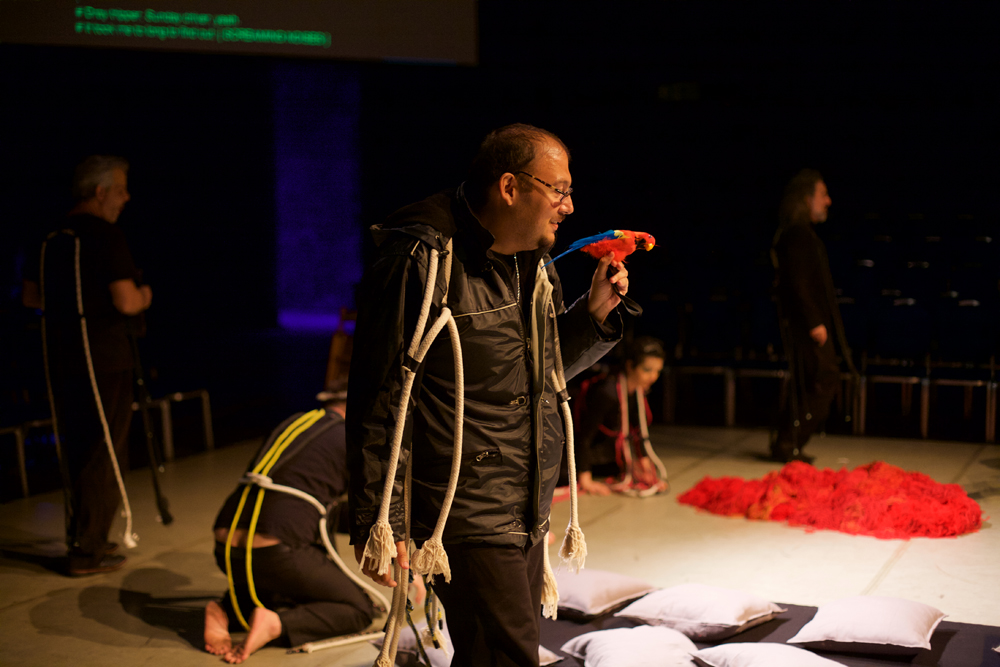
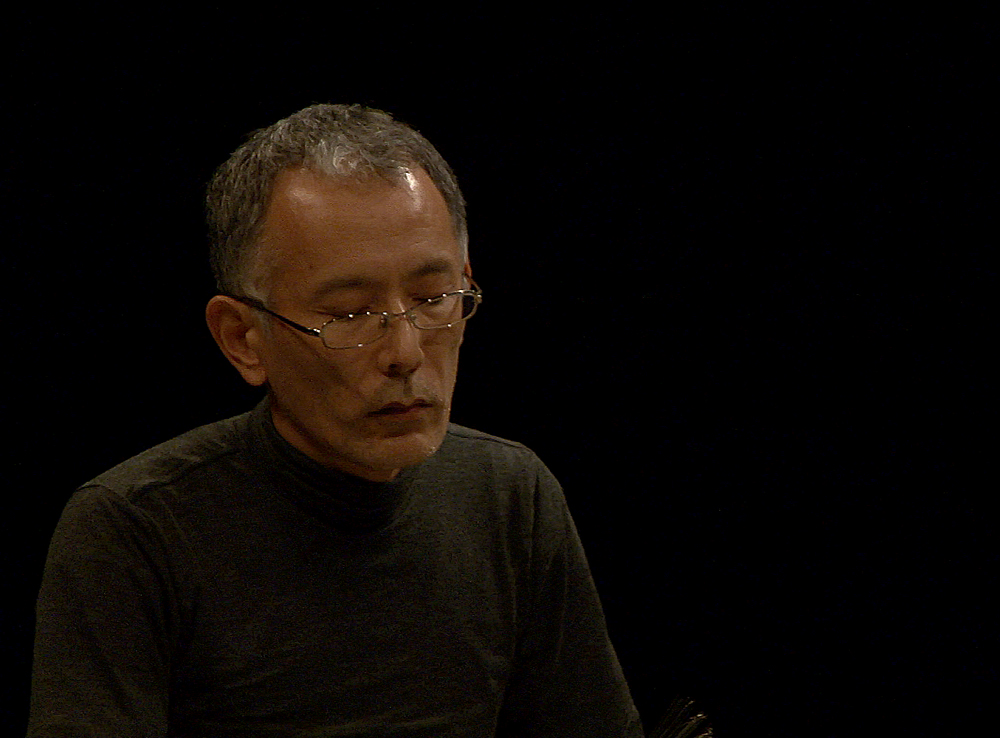
An improvisation that may or may not involve (typical) improvisation.
Arika have been creating events since 2001. The Archive is space to share the documentation of our work, over 600 events from the past 20 years. Browse the archive by event, artists and collections, explore using theme pairs, or use the index for a comprehensive overview.
An improvisation that may or may not involve (typical) improvisation.
Edinburgh. Beer and smoke befuddled drone/ deadly efforts by Pjorn72 kingpin.
Relative patterns of occlusion and exposure occupy two screens. Each exposure fires a stroboscopic flash of colour: yellow for one screen; blue for the other, filling the centre of both screens with colour, haloed with after-images.
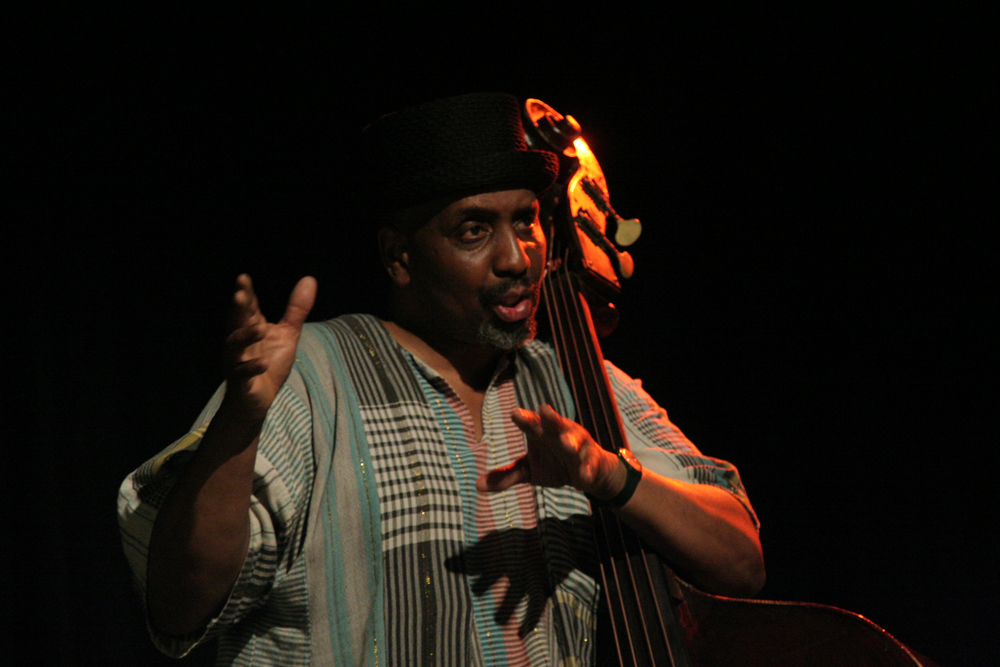
William cradles, hammers, and rains down blows, plucking and using 2 bows to attack the strings above and below the bridge, all in the service of a fiery and passionate creativity.
One of the most influential groups in improvised music, with the collective understanding that comes from listening keenly to each other for decades
Can we use sound, repetition and difference to personally and collectively engage with space, time and labour?
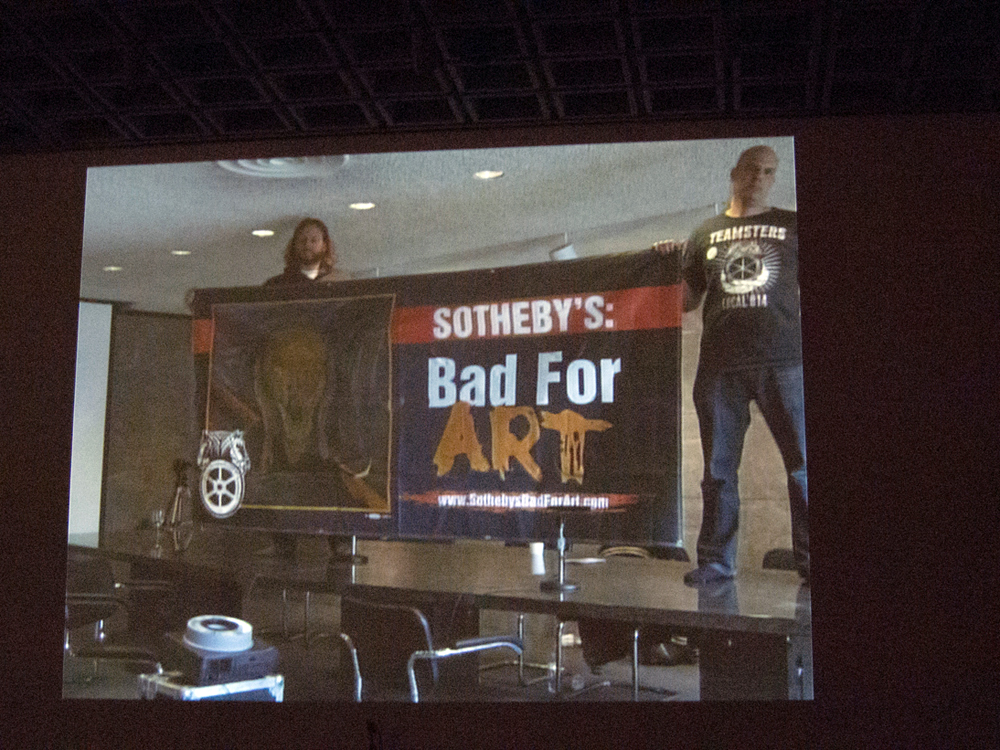
When one calls a strike, who hears the call, who attunes and listens to it? How to listen to the call of a strike? What prevents one from hearing this call or stops one from listening to it?
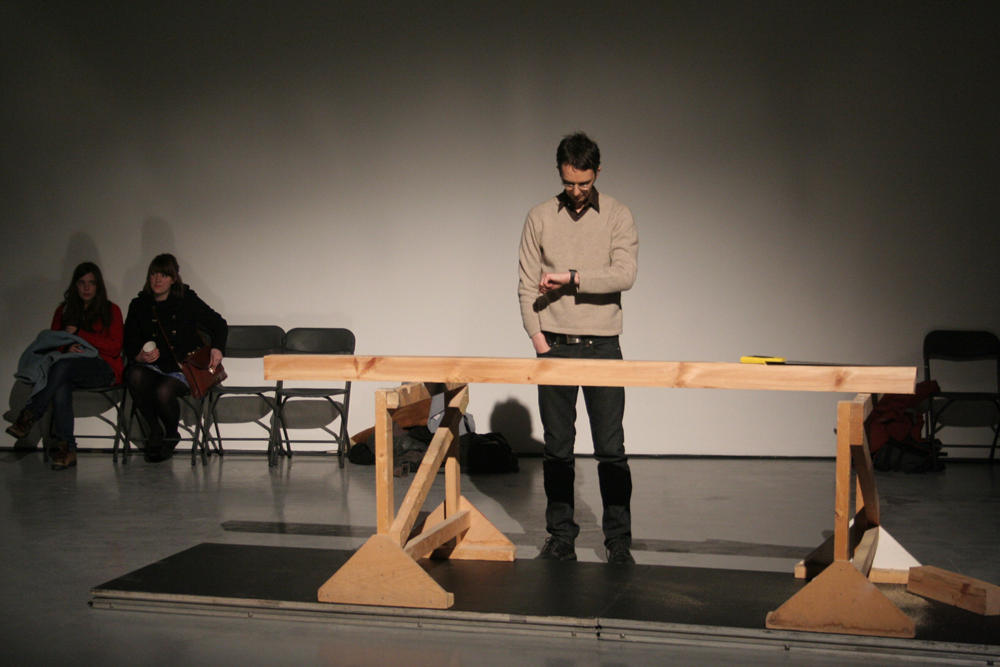
Instead of the one-way monologue of normal performance, what would be the result of an actual collective dialogue? Where would it go?
Felix Hess is a unique crosser of the boundaries between science and art. He wrote his doctorial thesis on the aerodynamics of the boomerang
Ray and Thomas talking about how cognitive neuroscience is unlocking the physical basis of personal experience.
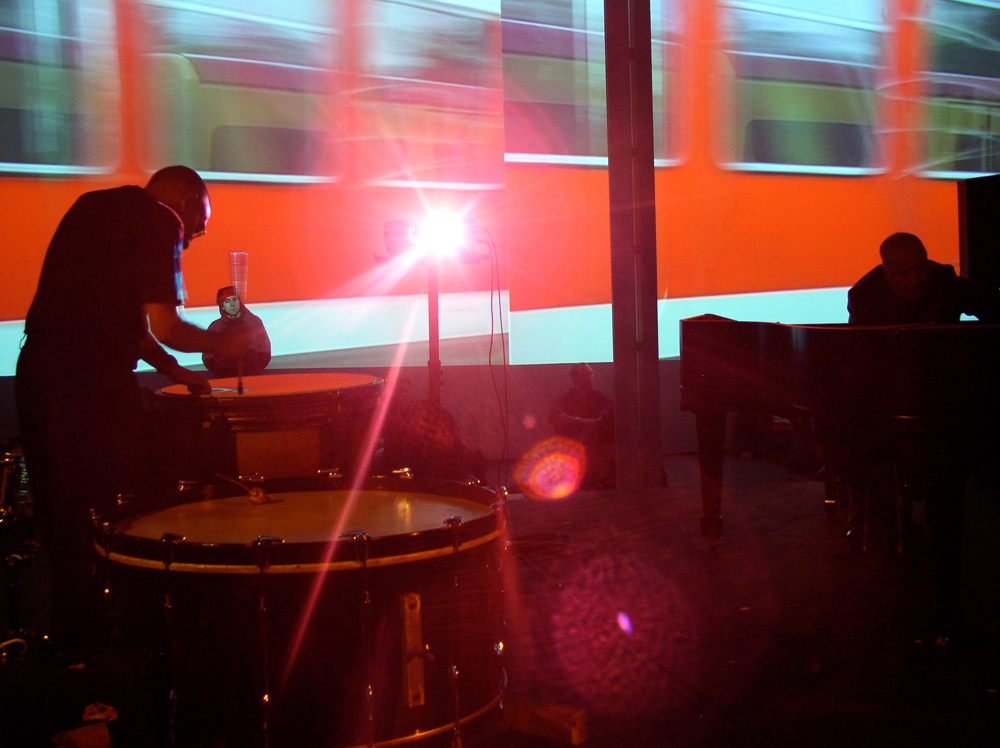
A beautifully crisp, slowly evolving duo for cello and projected images. Abstract but still figurative; change only noticeable after the fact.
Inhabiting a different kind of energy, Ueinzz’s open rehearsals reveal a glimpse into their ongoing daily theatrical modes of caring – multiplying the ways in which their plays are meant to be felt, rather than understood.