Party & Performances
Marianne Chargois MC Ray St. Ray Sex Workers’ Opera
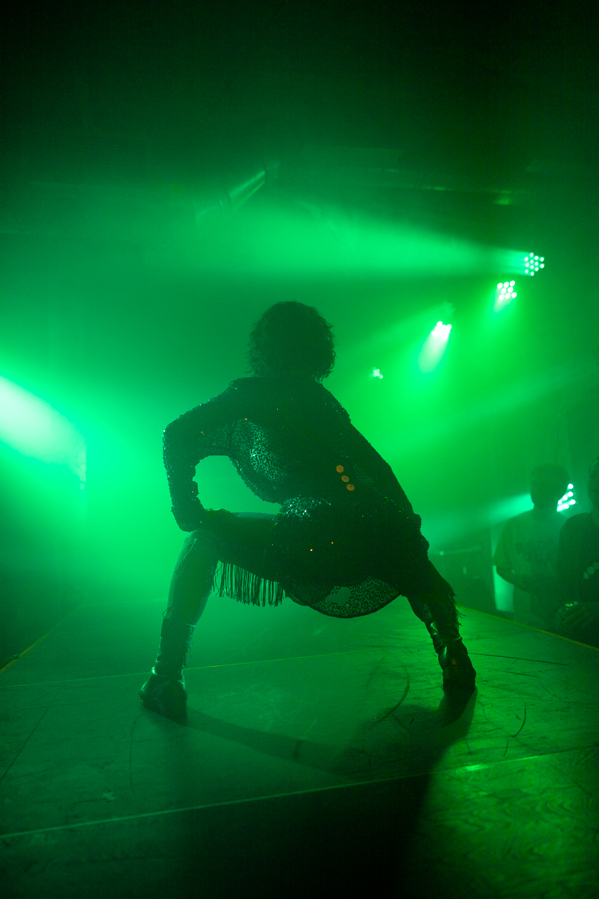
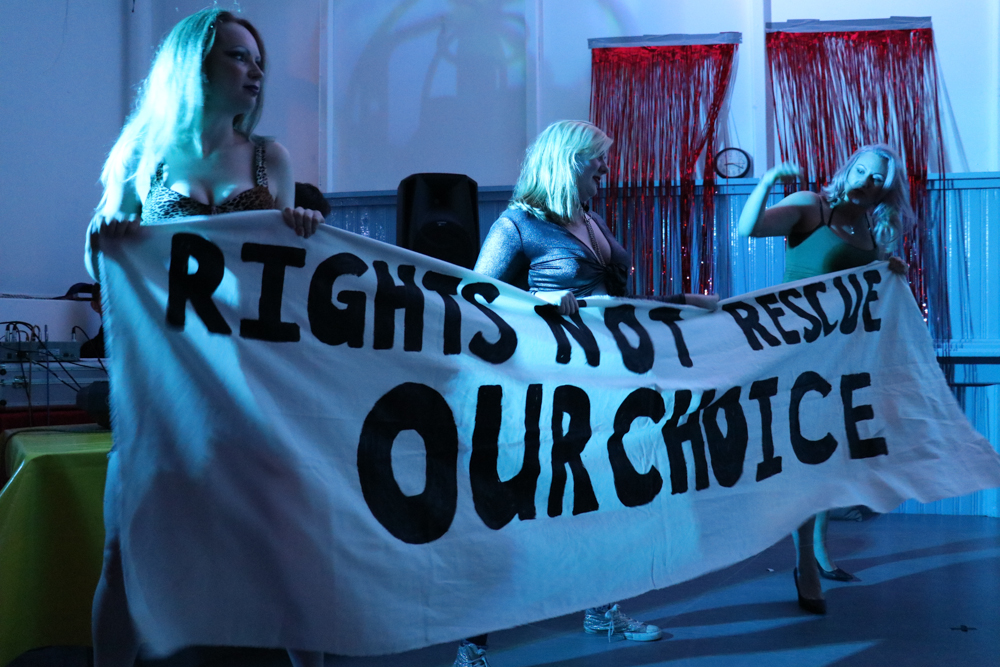
A party and fundraiser to support Sex Workers’ struggles and LGBT Unity with music and performances from the sex workers’ community and allies, plus DJ’s and dancing.
Arika have been creating events since 2001. The Archive is space to share the documentation of our work, over 600 events from the past 20 years. Browse the archive by event, artists and collections, explore using theme pairs, or use the index for a comprehensive overview.
A party and fundraiser to support Sex Workers’ struggles and LGBT Unity with music and performances from the sex workers’ community and allies, plus DJ’s and dancing.
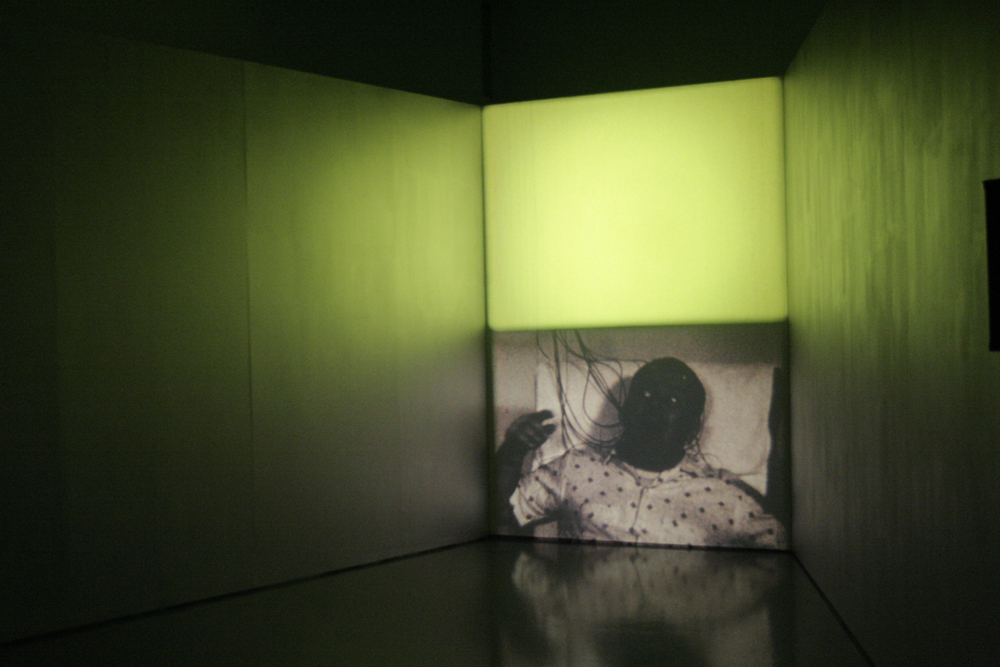
Paul Sharits one of the great experimental, sometimes called structuralist / materialist, filmmakers of the 20th Century.
For this day-long festival, sex workers and their allies from New York, the tri-state area, and Europe will gather at MoMA PS1 to debate, perform, dance, strategize & share knowledge.
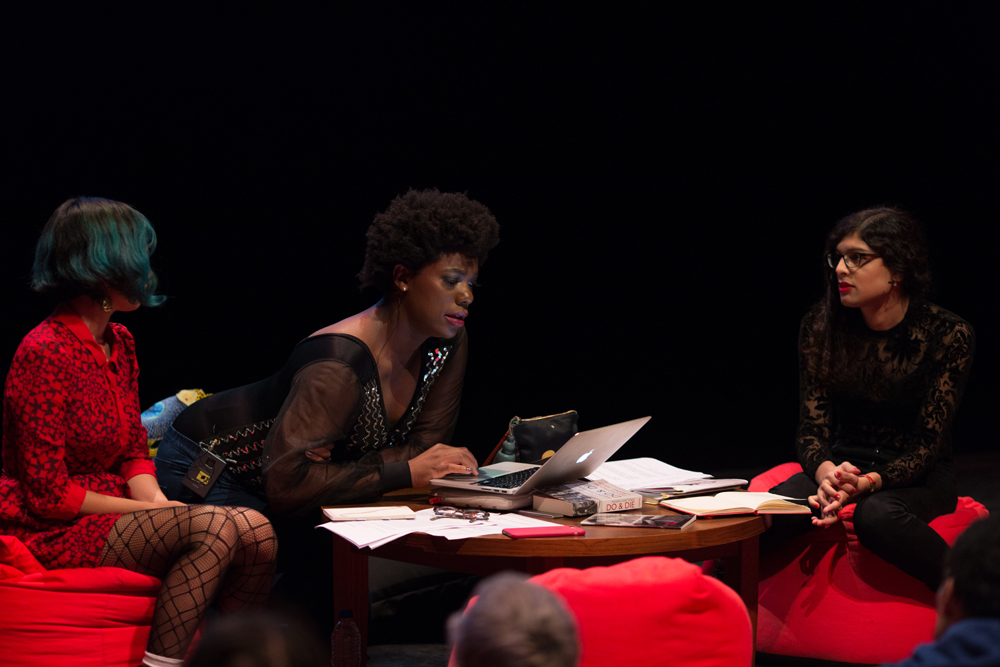
Thought and action, writing and protesting. A chat with Nat Raha, KUCHENGA and Jackie Wang asking what can be learnt from writing across genres by agitators, activists and abolitionists?
Glasgow. Low-end drone guitarage army in praise of the open chord.
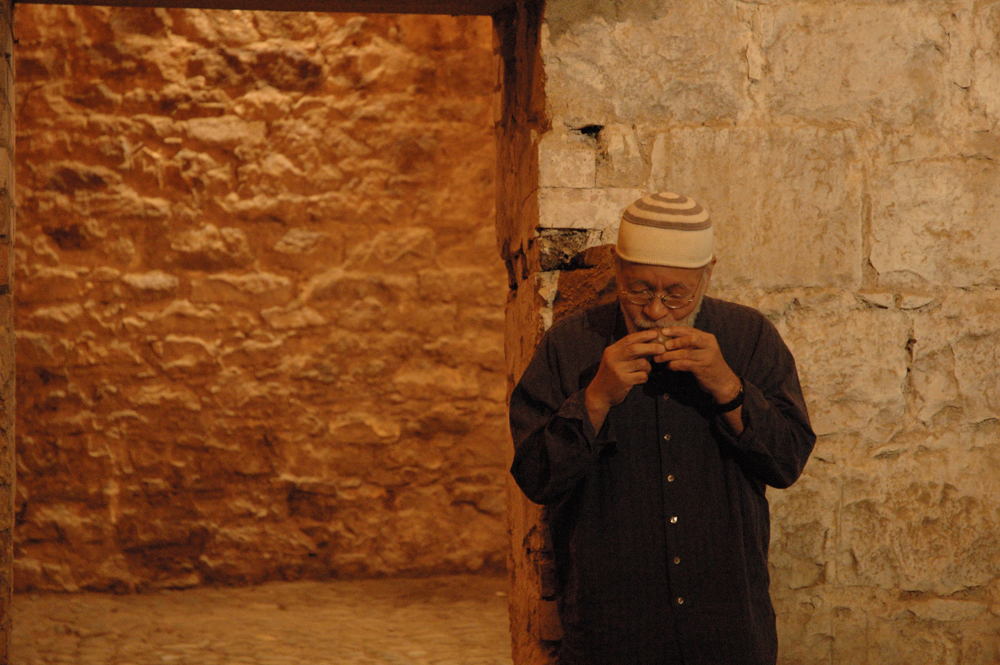
Akio Suzuki and John Butcher performing in a large multi chambered industrial ice house.
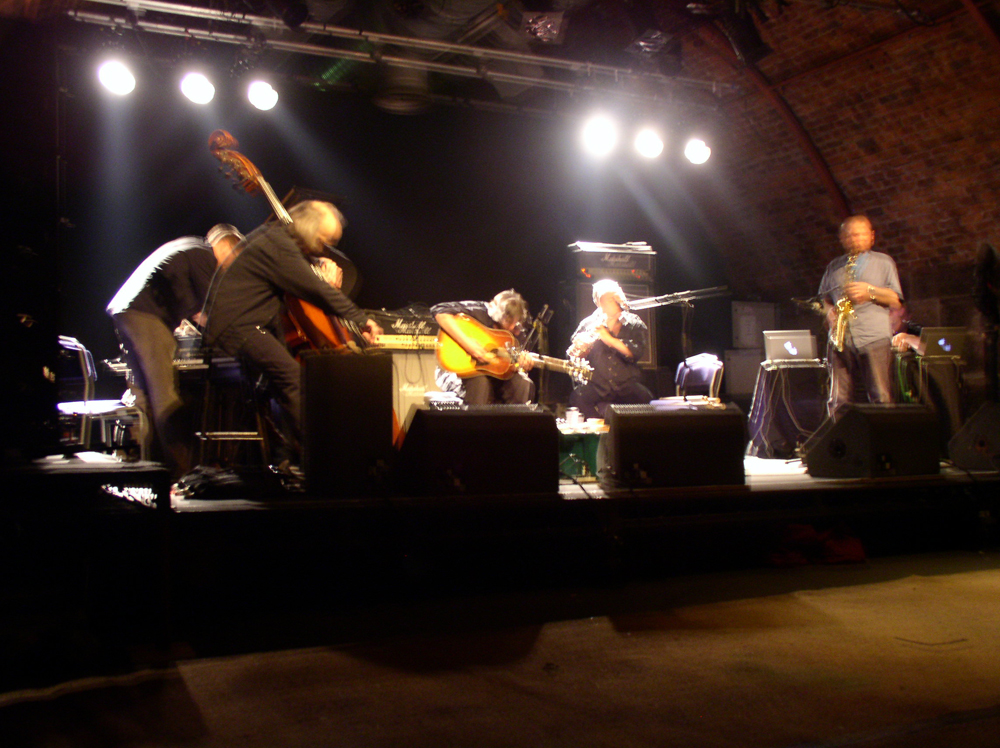
Glasgow based contemporary music group Paragon Ensemble performing an improvisation with Pete Dowling, Nick Fells, Robert Irvine and others.
Is it possible to dance our way out of the hardened stances and identity prisons we are locked in?
On the birthday of Marsha P. Johnson, this event brings together several elements that celebrate the radical care and kinship characteristic of the Trans revolutionary.
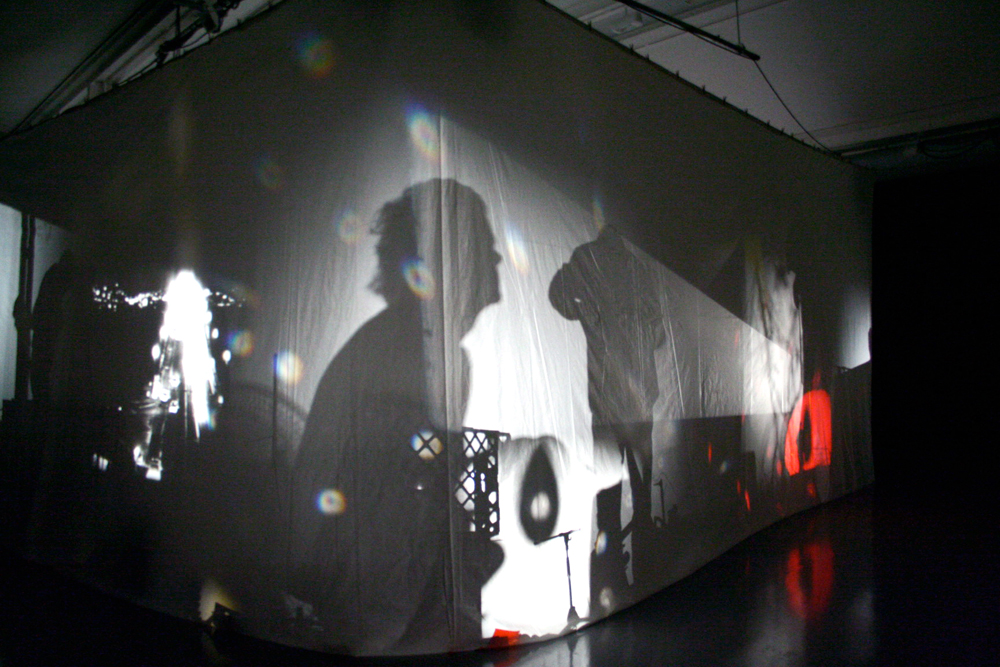
The Cube is a 6 hour performed installation in which sound and image are treated as independent but equal, where musicians and filmmakers sit alongside each other, improvise to and feed off both projected image and amplified and acoustic sound.
Final workshop exploring work, care and class. Does the ‘care industry’ summon forth its own class? Can this ‘affective class’, in their ability to care for others, militate against the carelessness of self-interest?
There are core ways in which our listening to the radio differs from other kinds of listening. What happens when we pay attention to how we pay attention?