Public Feelings
Ann Cvetkovich
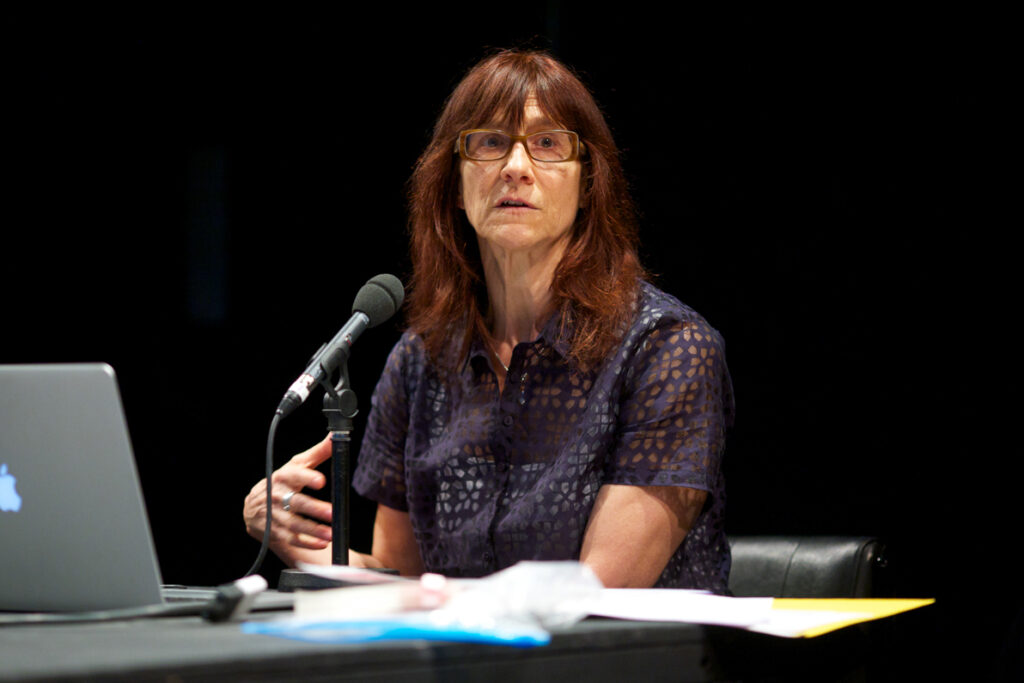
The role of feelings in public life, (political) depression and creative survival.
Arika have been creating events since 2001. The Archive is space to share the documentation of our work, over 600 events from the past 20 years. Browse the archive by event, artists and collections, explore using theme pairs, or use the index for a comprehensive overview.
The role of feelings in public life, (political) depression and creative survival.
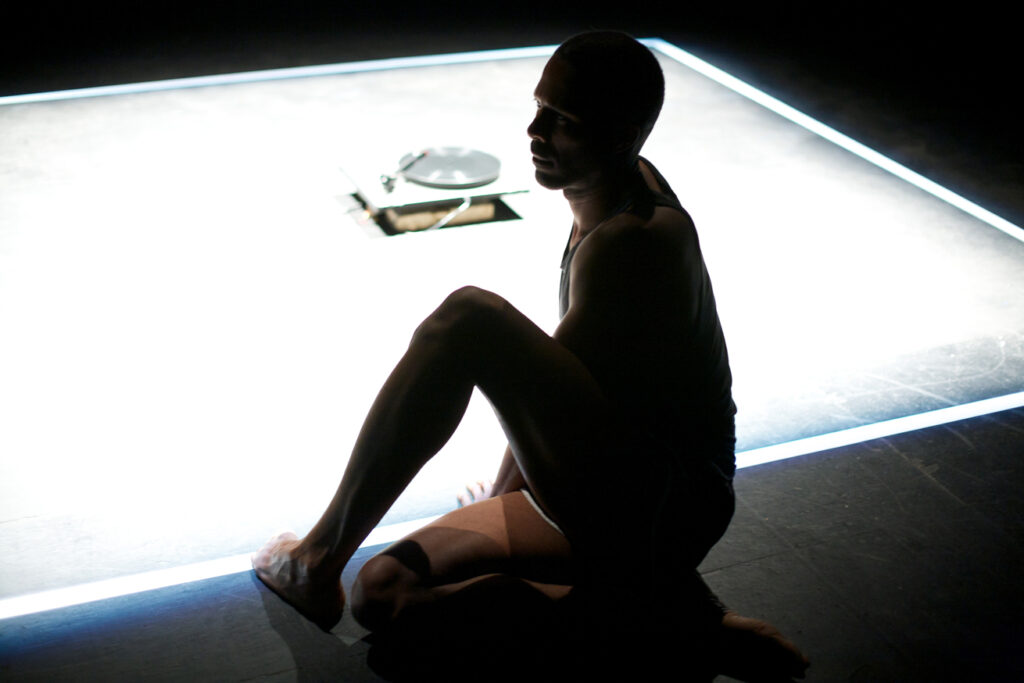
When we look, how do we objectify the body; how can we reflect on our (self) image as a construction?
A programme of discontinuity between narration, text and image. Including Manual Saiz’s employment of John Malkovich’s Spanish dubbing double and Peter Rose’s absurdly hilarious concrete poetry subtitling chaos.
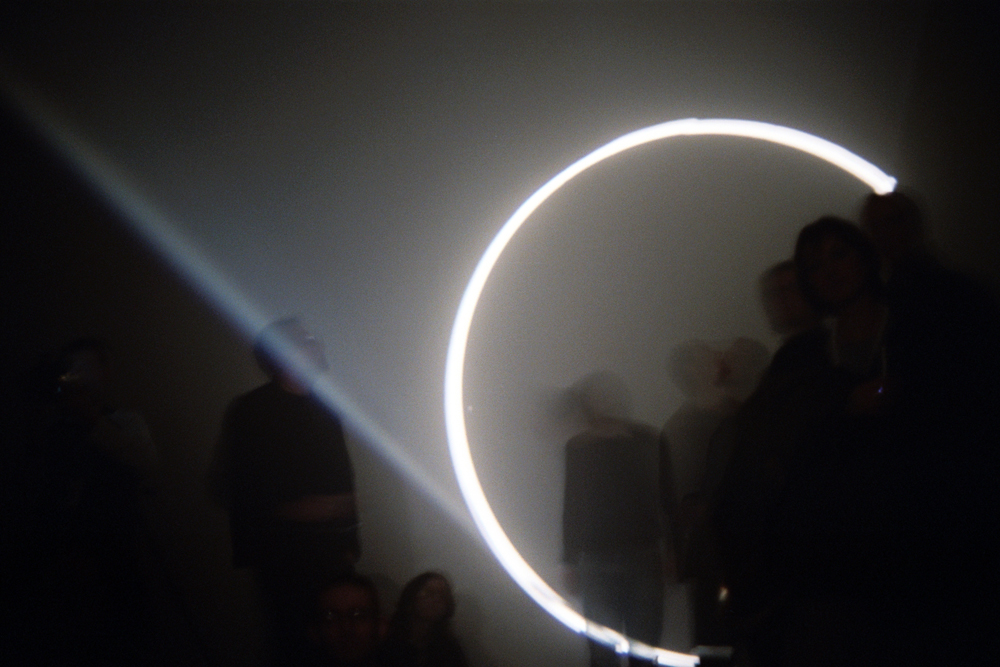
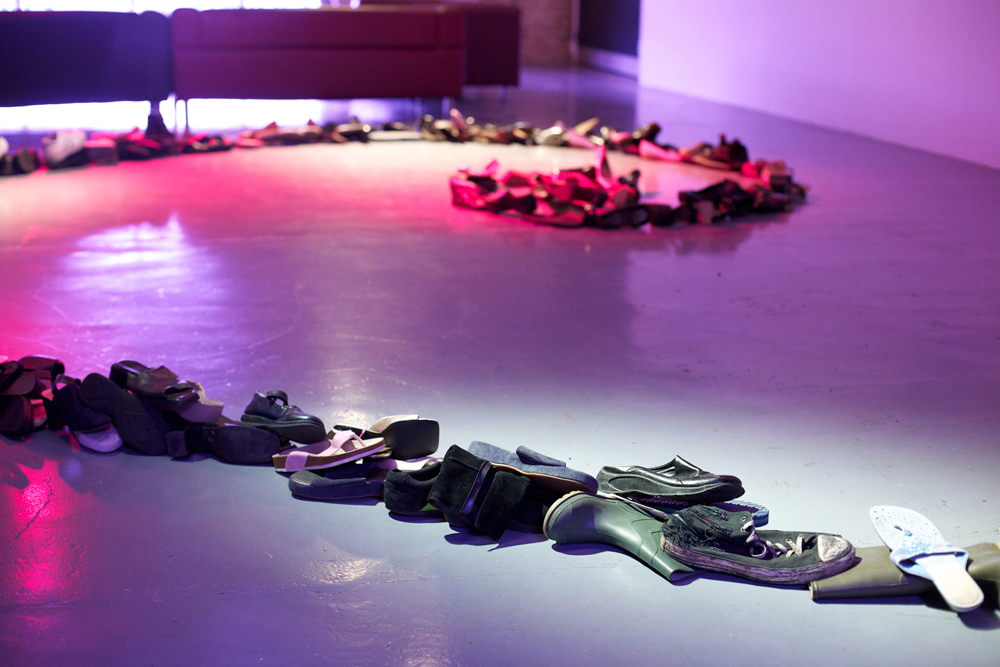
Film and sound stripped of ‘content’ and experienced spatially, to be looked at not on the screen but in the space of the gallery
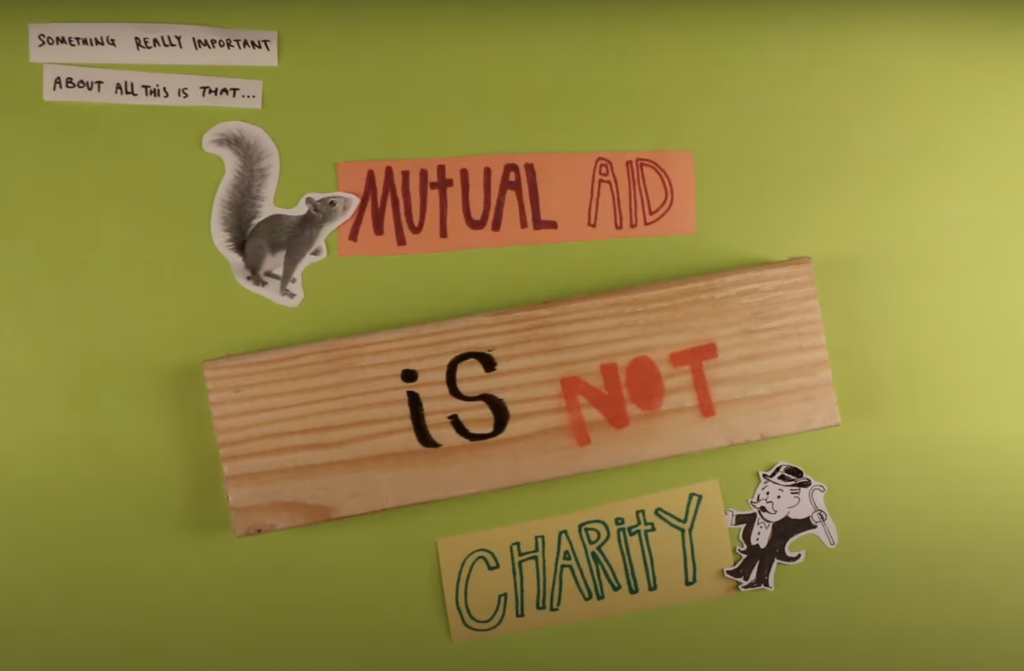
How do we make the connections between the mutual aid practices of our daily lives and anti-capitalist efforts to dismantle wider systems of exploitation?
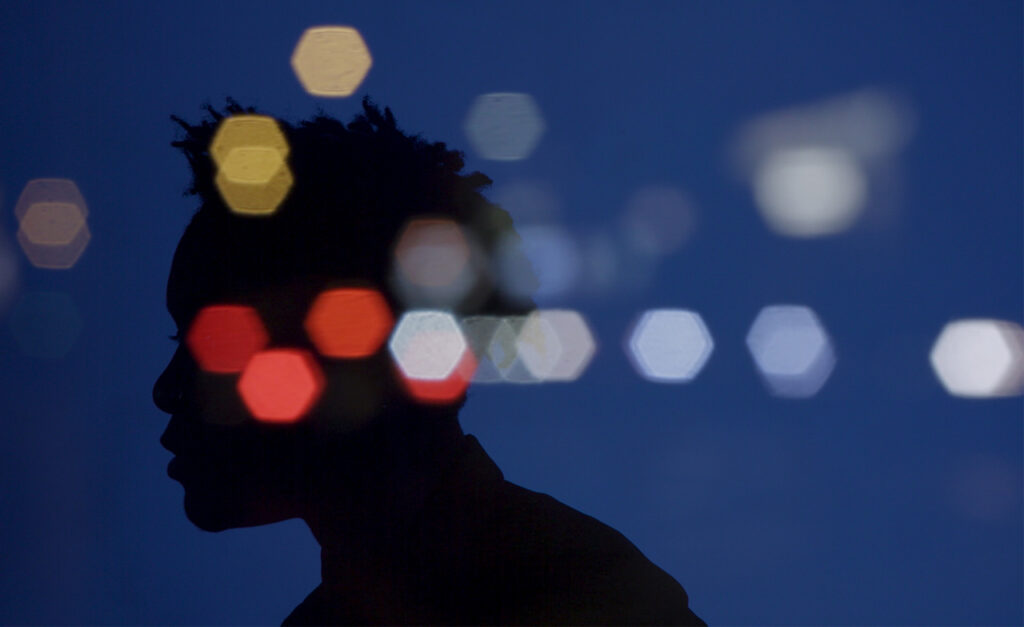
Haunted by the archive of the New Cross Fire, Jay Bernard presents a film and poetry reading that undertakes a queer exploration of black British history, reconstructed from archives and apparent debris.
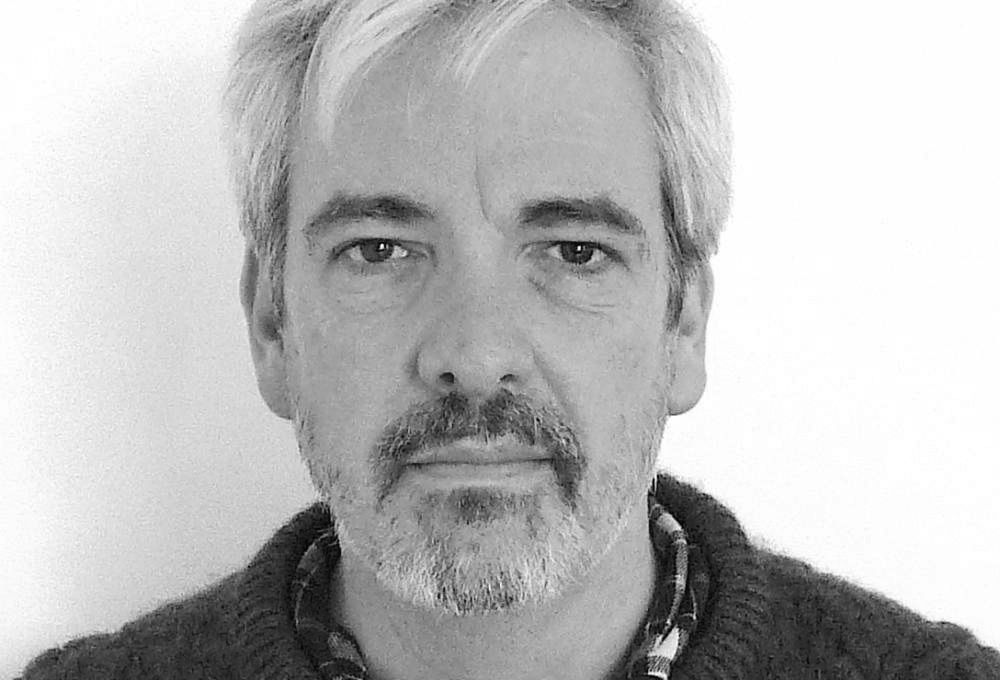
John Mullarkey sets in a wider context our understanding of Alain Badiou and Francois Laruelle, two of the most radical philosophers in Europe today.
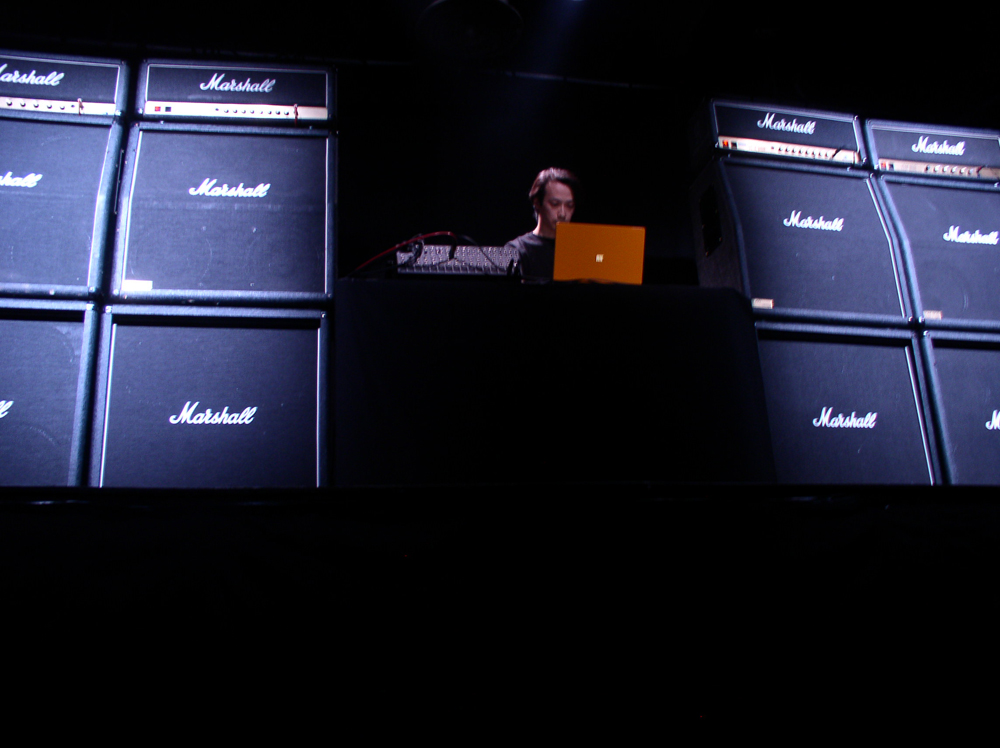
CCI Sound system: a performance in which new material will be mixed and phased between two huge PA’s, one a precise Meyer system, the other a huge wall of Marshall amps
The worlds leading radio art station brings you: a performance, a radio show, an installation, an endurance test.
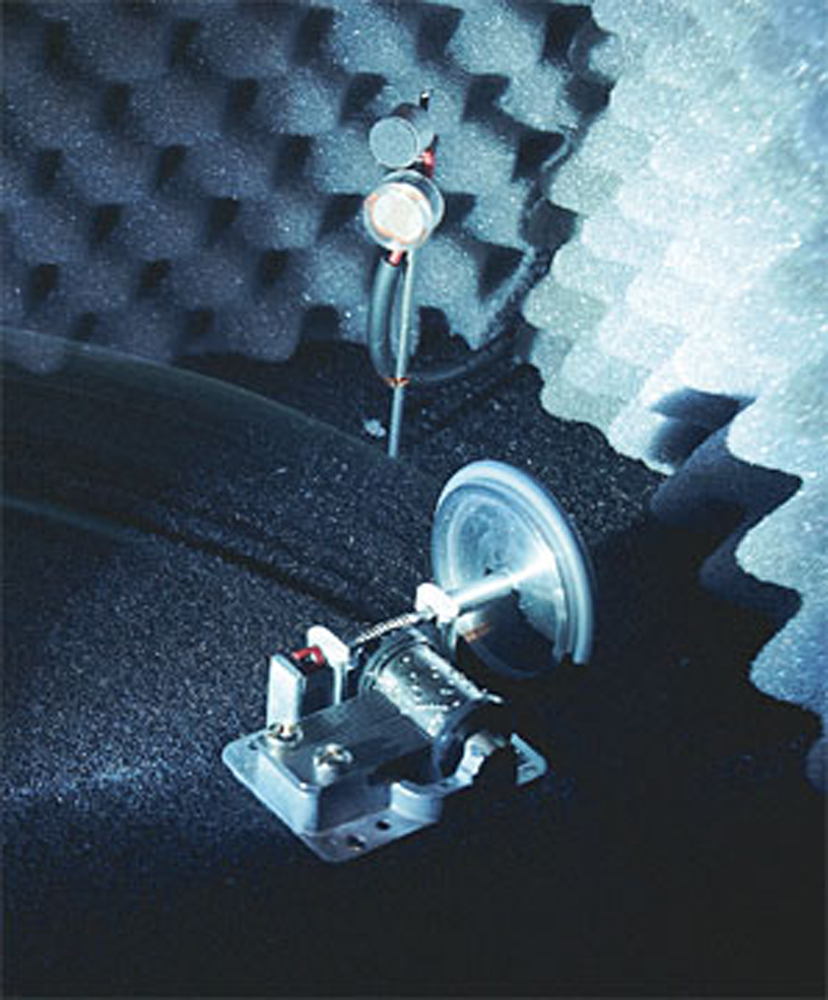
Finnish duo Grönlund Nisunen are known for their extraordinary work fusing incredible sounds with stunning objects in large scale sculptural installations.
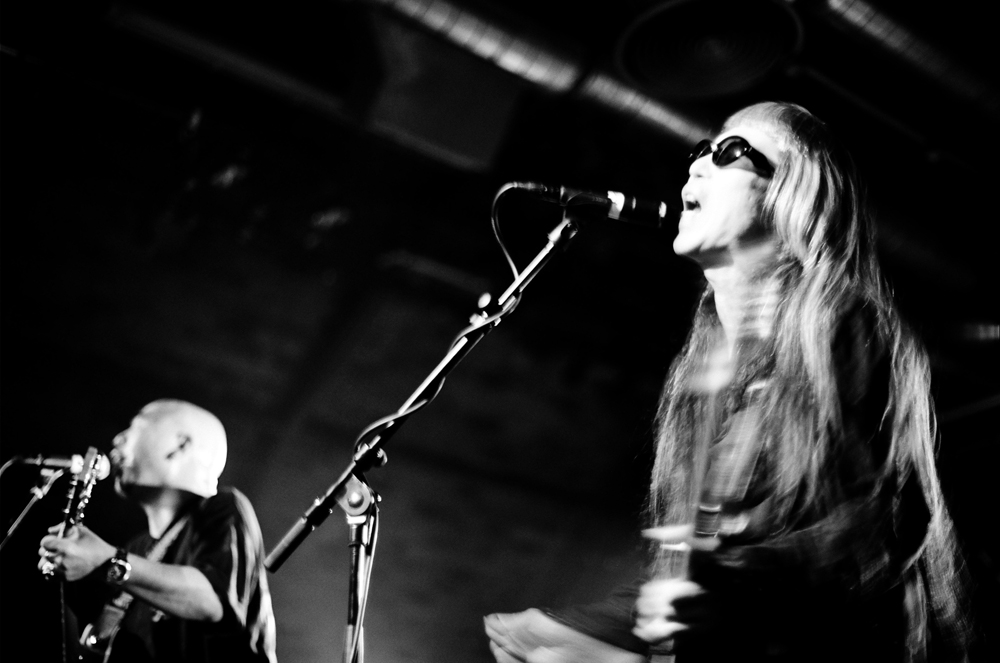
Vajra are a Japanese psychedelic rock supergroup, hewn from the collective consciousness of Fushitsusha’s Keiji Haino, folk radical Kan Mikami and percussionist Toshiaki Ishitsuka.
How can we imagine bodies not as an end in themselves, but as a medium through which we can become one another’s means?