Self Cancellation – Seed Burn / adh
Lee Patterson Rhodri Davies
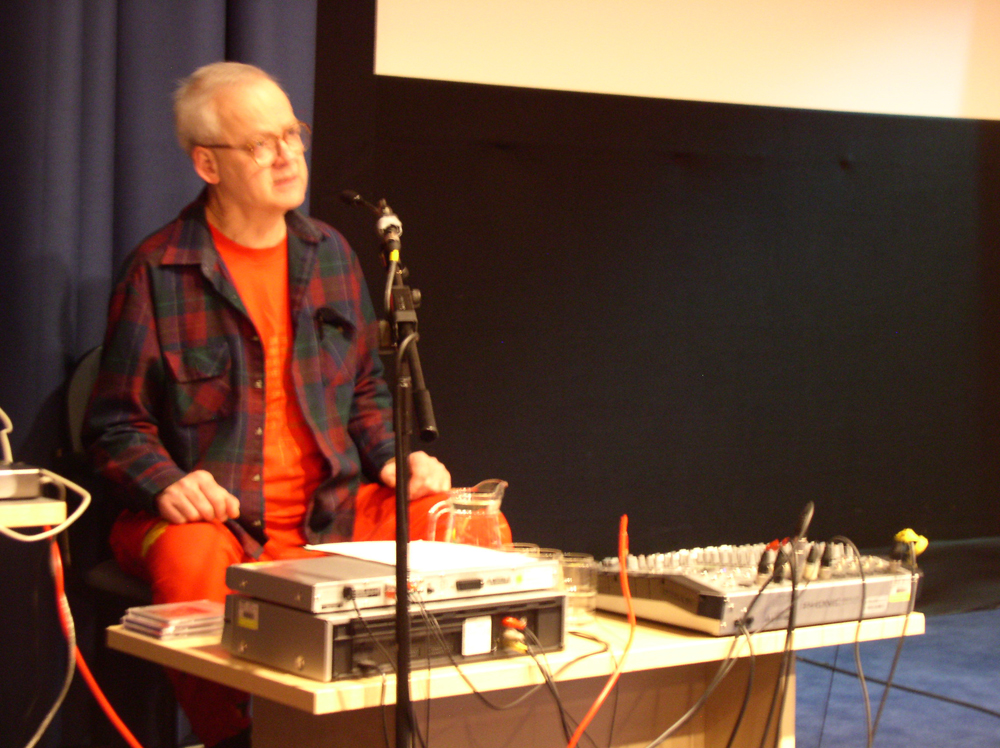
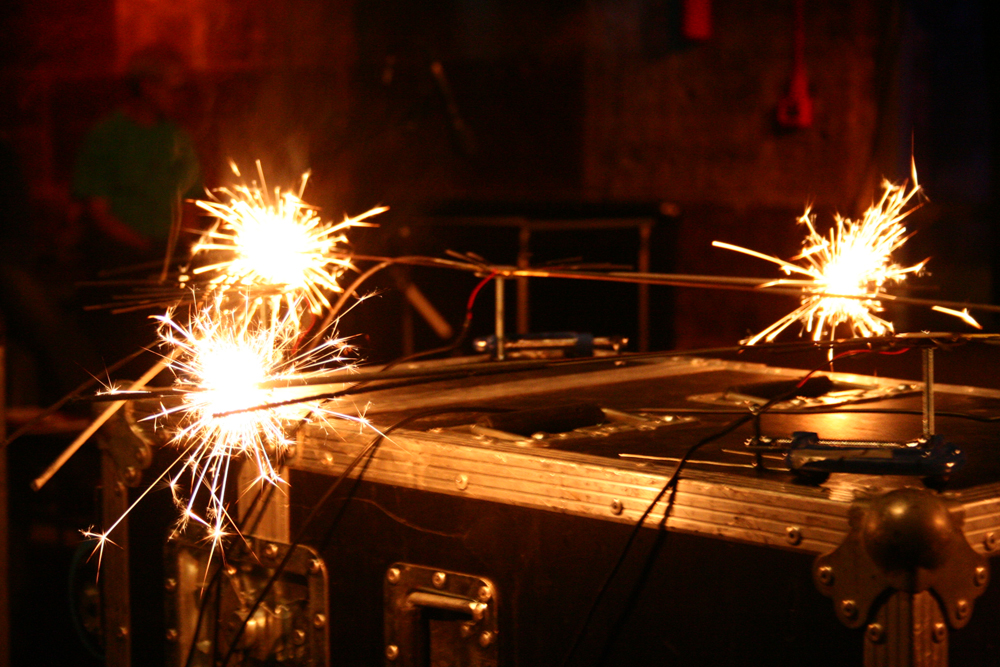
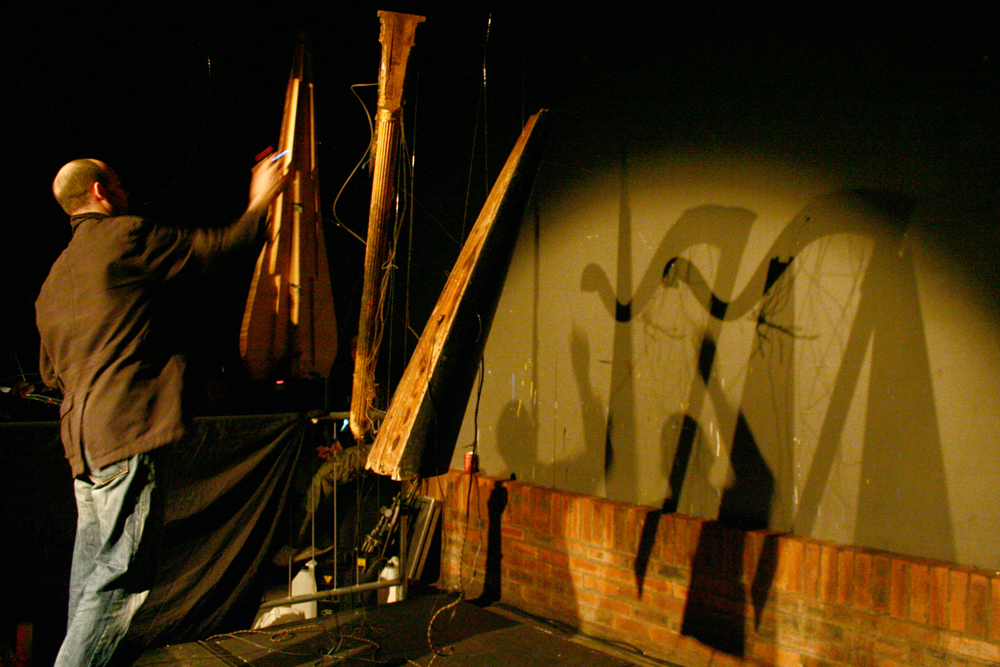
Rhodri Davies plays two deconstructed harps. Lee Patterson examines the sonic properties of burning nuts.
Arika have been creating events since 2001. The Archive is space to share the documentation of our work, over 600 events from the past 20 years. Browse the archive by event, artists and collections, explore using theme pairs, or use the index for a comprehensive overview.
Rhodri Davies plays two deconstructed harps. Lee Patterson examines the sonic properties of burning nuts.
What kind of listening and acknowledging do we offer each other? What is it to listen to an ‘elsewhere’, and do we ever do anything else when we listen to music?
The first INSTAL festival (programmed by Barry Esson of Arika and Tiernan Kelly) featured a line-up including Robert Lippock, Philip Jeck, Fennesz, Paragon Ensemble, Icebreaker International, Defaalt and Rhomboi.
Poetry of raw fearless truth and the realest crip insight fully embedded in absolute lyrical lounge.
ACCESS: SOUND FILE A day-long salon accompanying KYTN focusing on sound art.
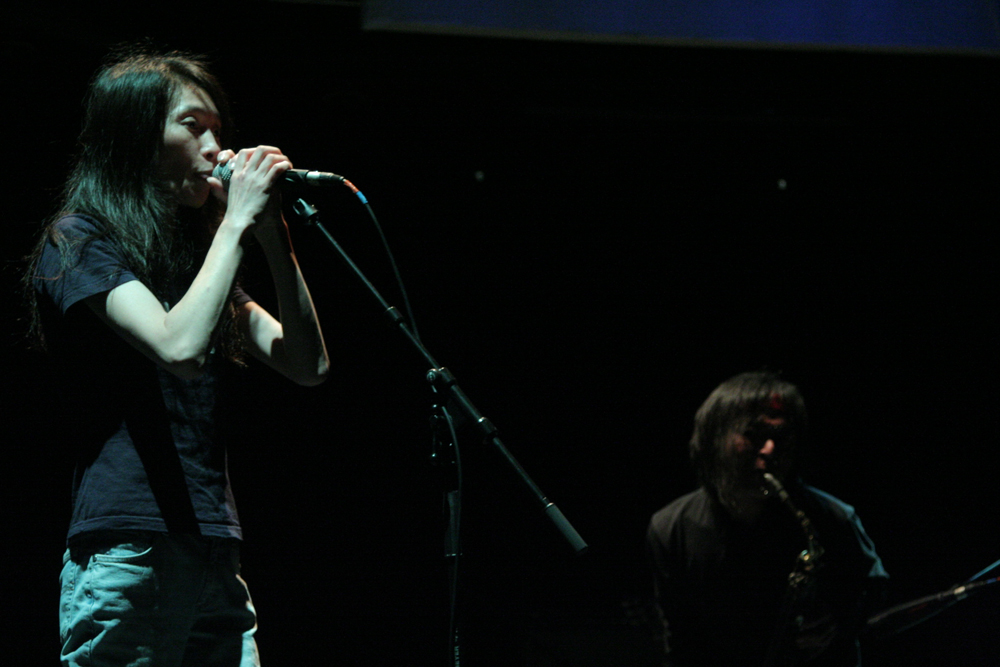
Junko’s screaming vocal in a nuanced, piercing duo with Urabe’s fuming and convulsive saxophone, far removed from the codes of musical tradition.
A chat with Eugene Thacker. Can we rethink the world as unthinkable, and without us?
Sonic ‘observations’ of the world, through micro recordings on a tiny scale and transformed into something musically compelling.
Four perspectives from people involved in different anti-capitalist and anti-racist struggles, considering how ideas of ‘ending’ have shaped their political thinking and praxis.
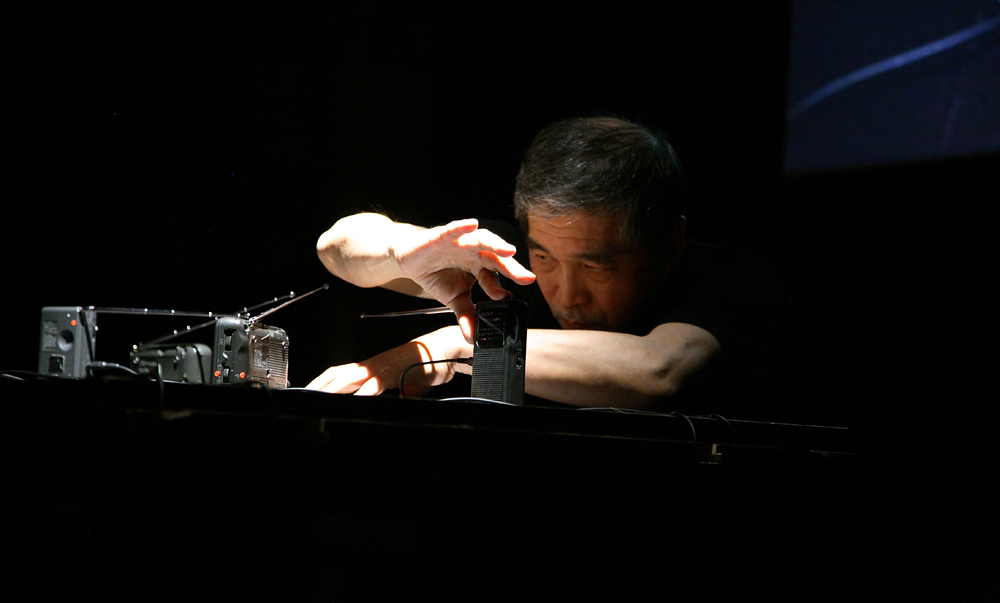
Performing with hand built radio transmitters, which react to interference in the atmosphere and the electrical impedance of his hands, his radio art is a form of social practice; a statement in opposition to mass media.
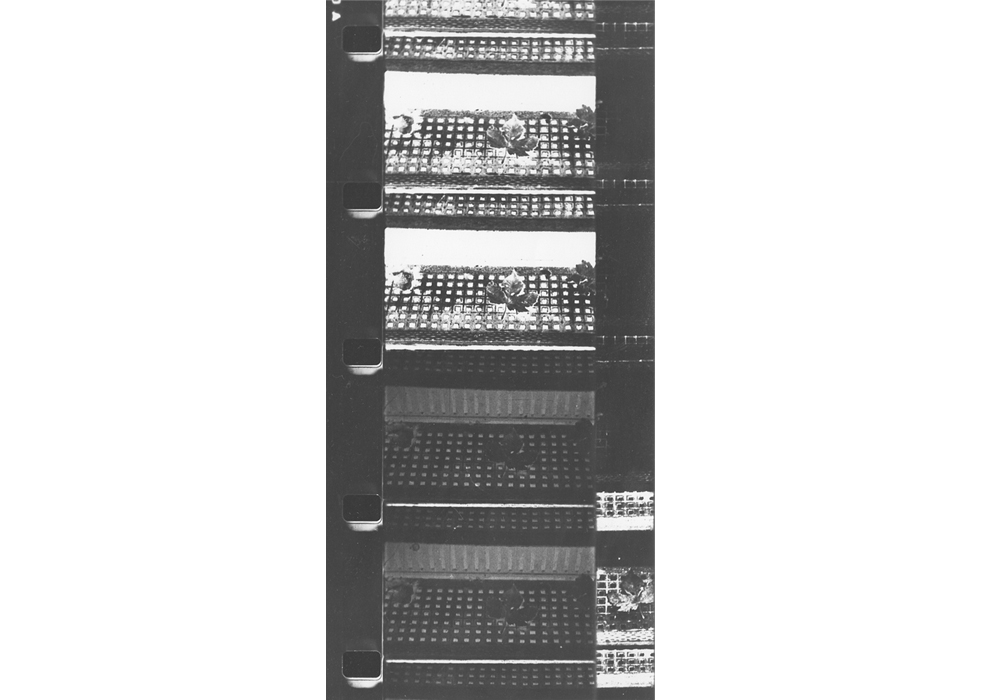
A programme looking at landscape, filmic or architectural spaces and at how the fixed stare of a camera frame only captures so much reality; here we focus on how filmmakers structure our relationship with that reality and at how they relate it to or interpret it through sound.
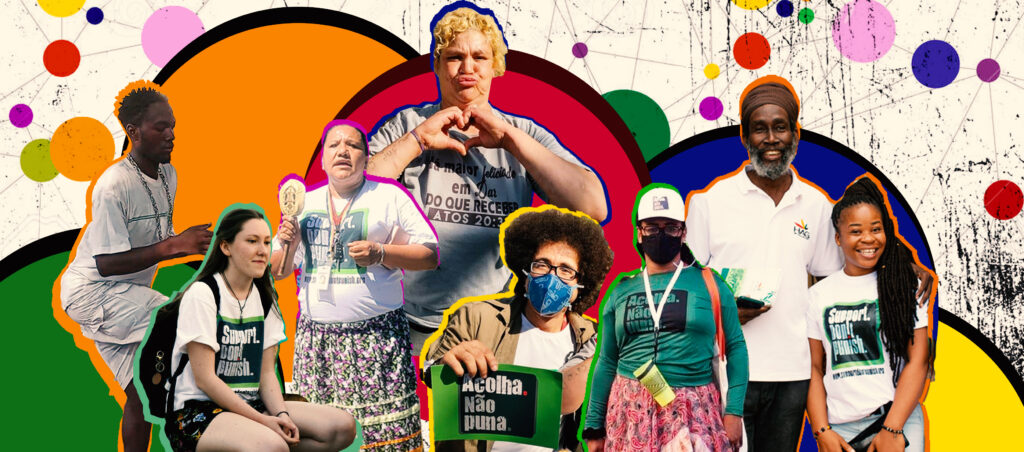
Rather than asking the state for services, what kinds of change are made possible when we prioritise people supporting each other?