WordMusic
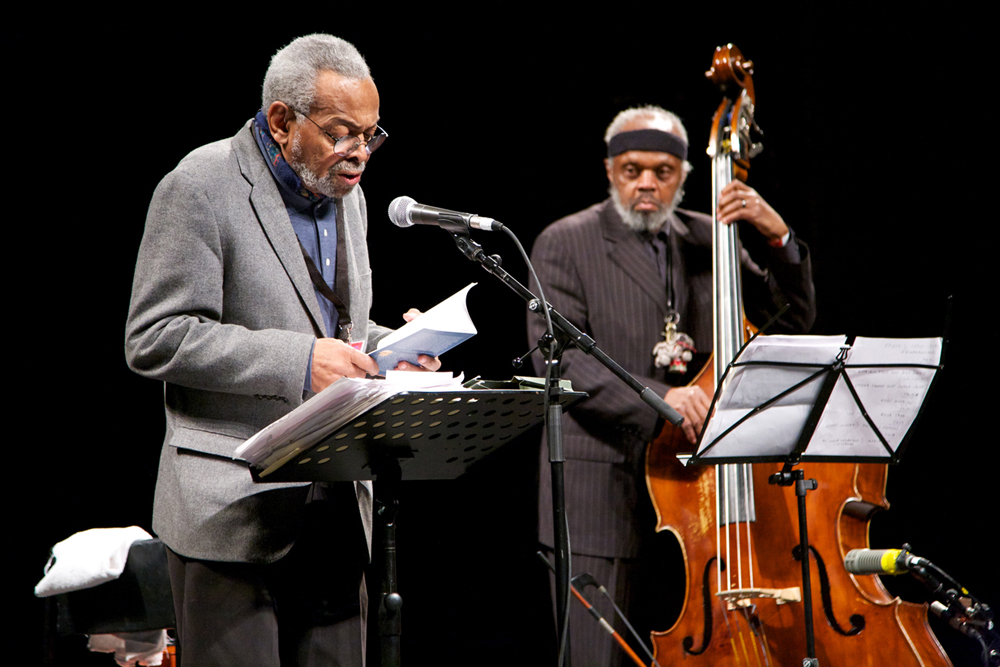
Amiri Baraka Henry Grimes
A dialogical meeting of Baraka’s radical poetry and Grimes’ free jazz syncopation.
Arika have been creating events since 2001. The Archive is space to share the documentation of our work, over 600 events from the past 20 years. Browse the archive by event, artists and collections, explore using theme pairs, or use the index for a comprehensive overview.
A dialogical meeting of Baraka’s radical poetry and Grimes’ free jazz syncopation.
Inspired by Delany’s Aye, and Gomorra. A spookily filmic world where asexual bodies live in the contradiction of their unarousable loneliness and desire for intimacy and contact.
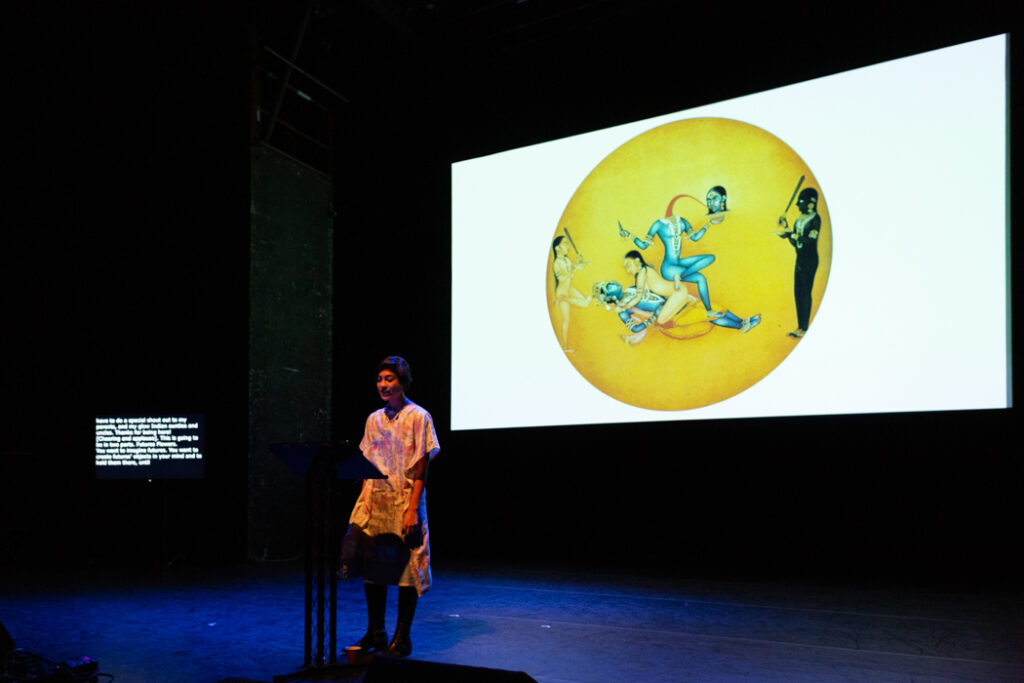
In Ramayya’s visionary poetry, the body assumes as many forms as love produces states: attraction and repulsion, excitement and exhaustion, selfishness and the dissolution of self.
Dworkin asks: What would a non-expressive poetry look like? A poetry of intellect rather than emotion?
What would a world and an ethics look like free from the destructive consequences of the Western mind?
Killer of Sheep is an undisputed masterpiece of African-American filmmaking and one of the most poetic, perceptive dramas ever made about family and community.
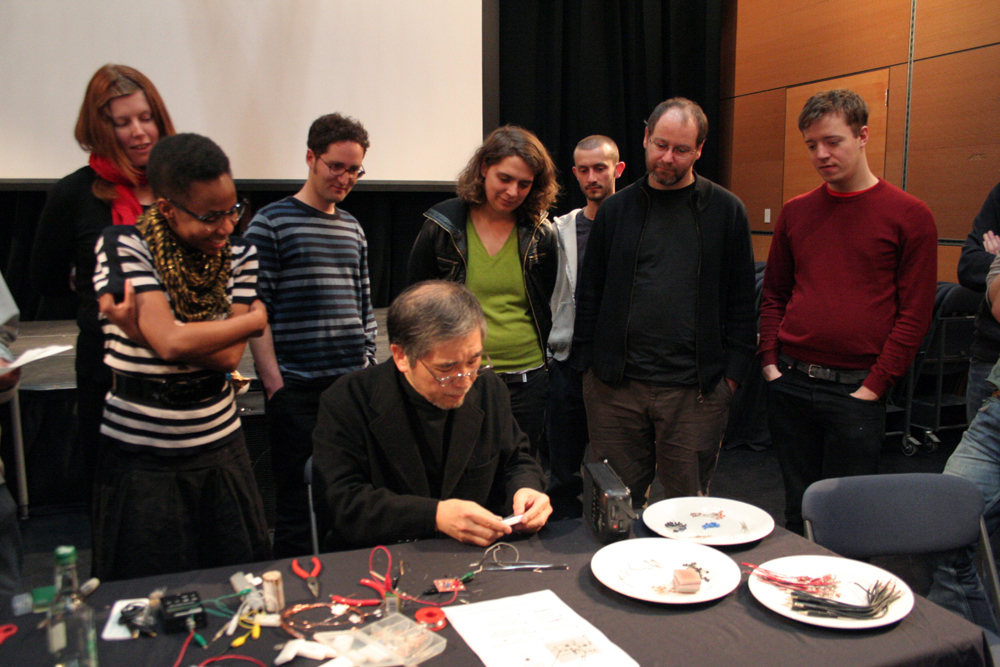
A simple hands on workshop with micro-radio theorist and pioneer Kogawa.
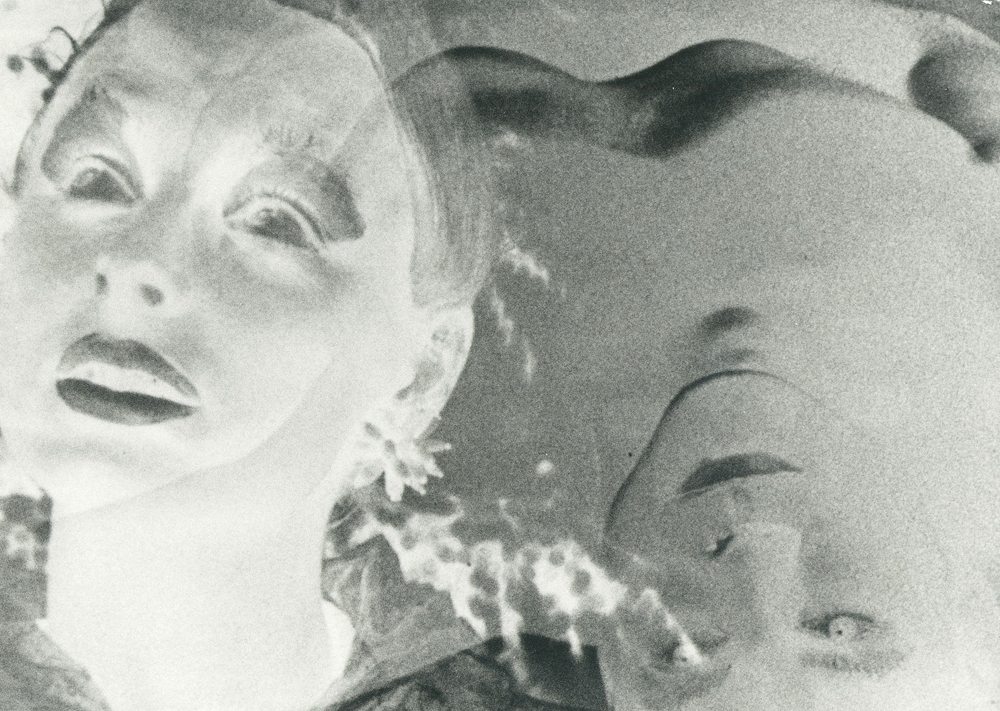
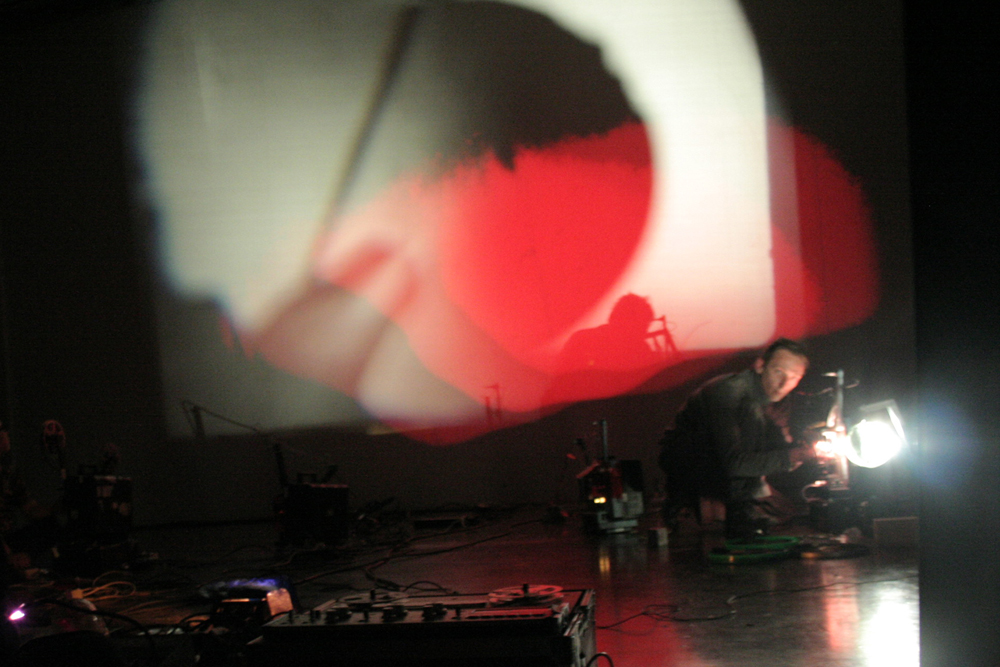
Multiple images, glimpses of old films, abstract images in the midst of an electro-acoustic sound field of tape loops & analogue synthesizers
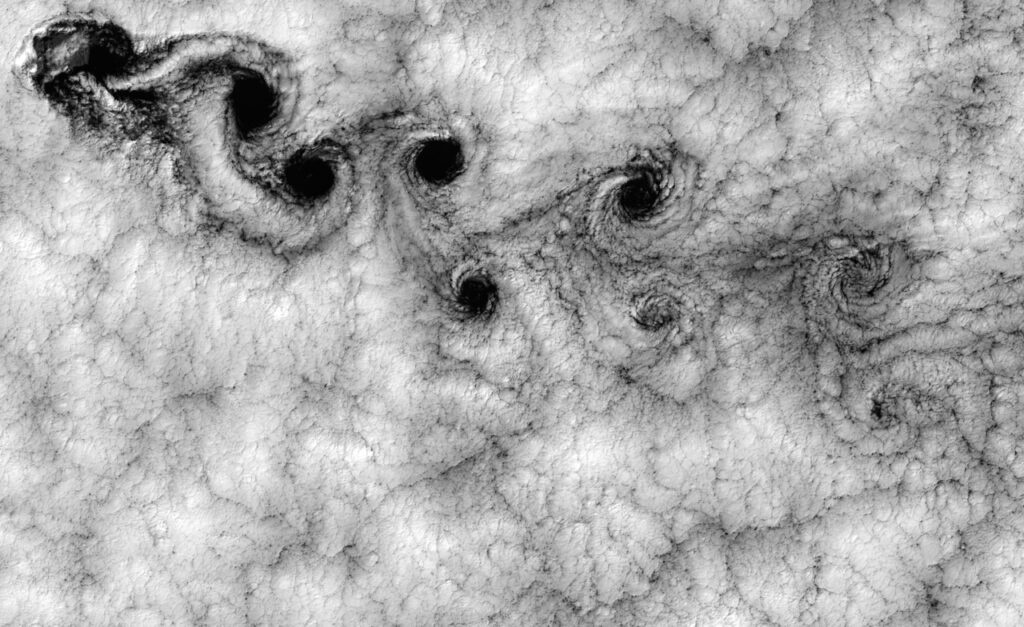
What’s the relationship between the eternal hum of the oceanic beloved and the persistence of vorticity in fluid dynamics? And how does Alice Coltrane’s harp help us stay there?
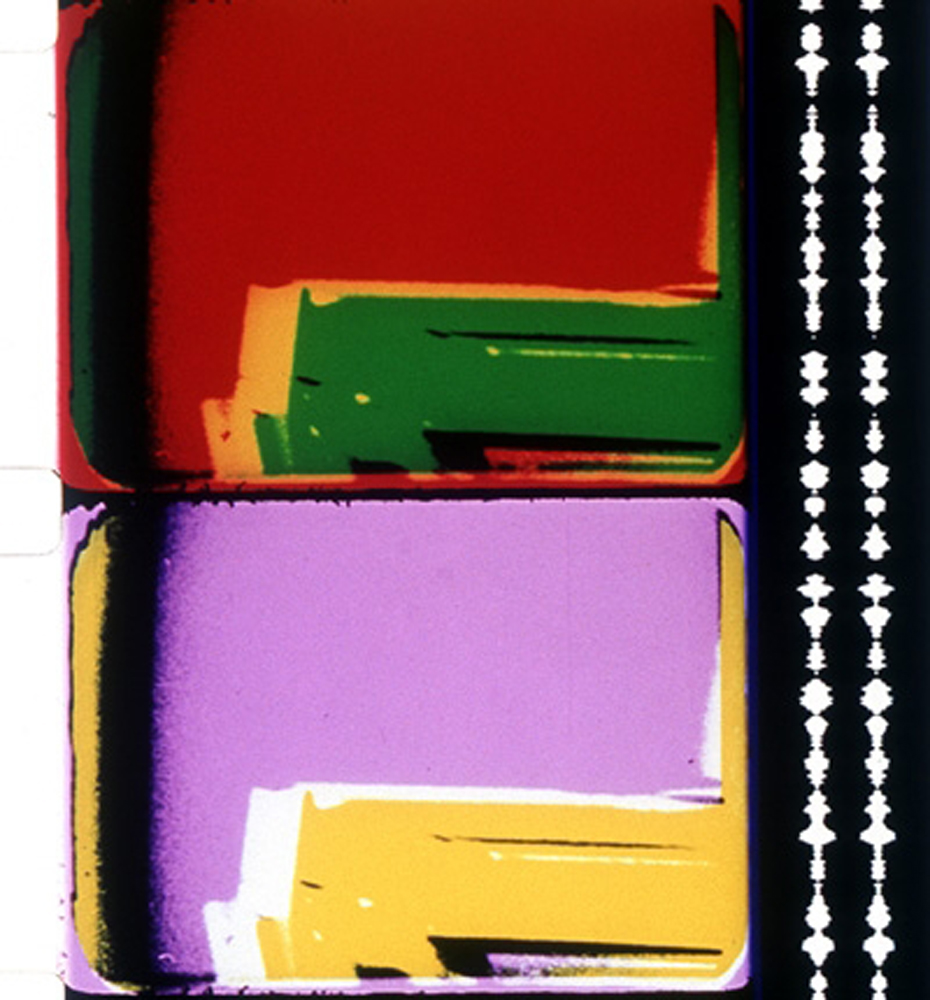
This programme takes human subjects as the focus for sound and image construction. And it includes a couple of masterpieces of experimental film: Paul Sharits’ deeply empathetic interpretation of epilepsy and Peter Kubelka’s Webern inspired abstract portrait of Arnulf Rainer.
Glasgow based artist Defaalt invites the audience to collaborate fully in his performance by means of a generative graphical interface.
How can we imagine bodies not as an end in themselves, but as a medium through which we can become one another’s means?