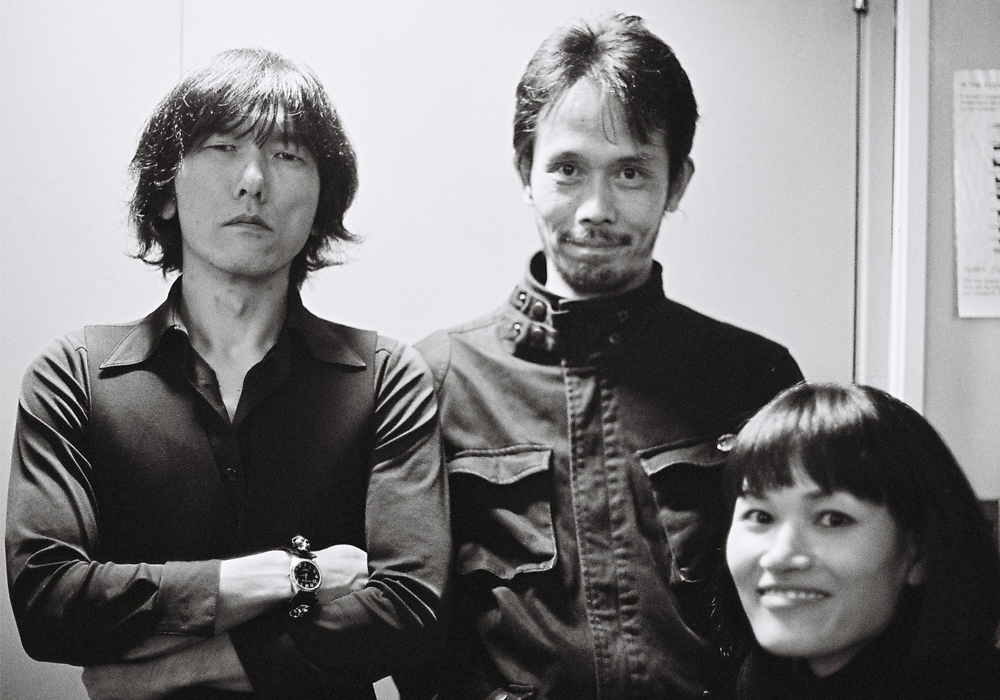
Kuwayama & Kijima
Kiyoharu Kuwayama Rina Kijima
Using violin and cello the duo map out a twilight sonic world that seems to tread the faultlines between improvisation and composition.
Arika have been creating events since 2001. The Archive is space to share the documentation of our work, over 600 events from the past 20 years. Browse the archive by event, artists and collections, explore using theme pairs, or use the index for a comprehensive overview.
Using violin and cello the duo map out a twilight sonic world that seems to tread the faultlines between improvisation and composition.
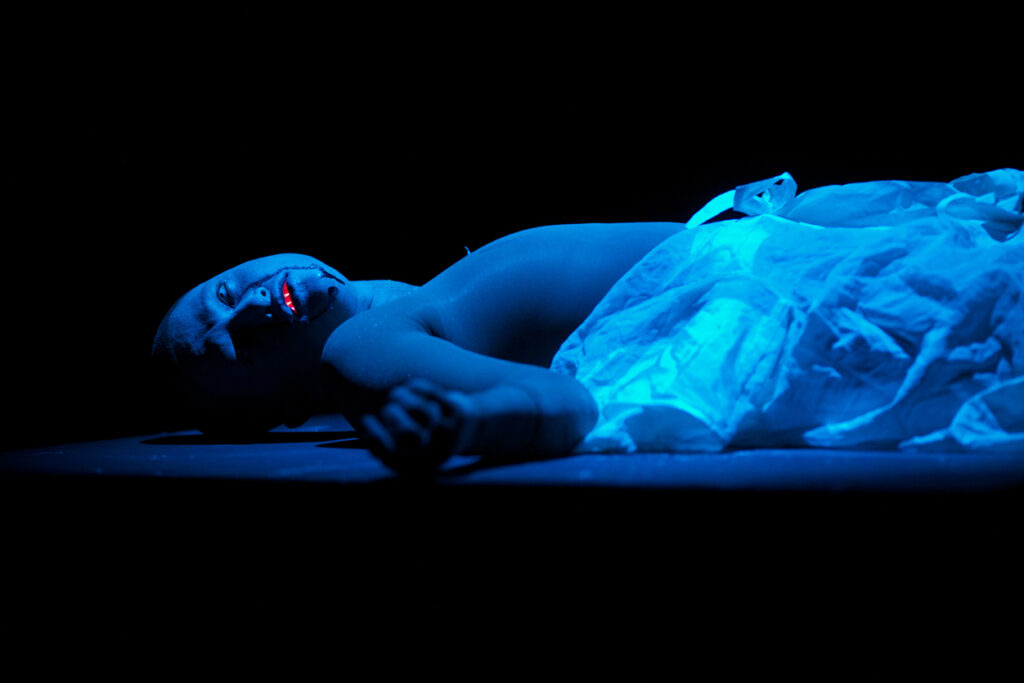
The mutability of the body and the mobility of identity: queered pop culture, drag, lip-sync and performance.
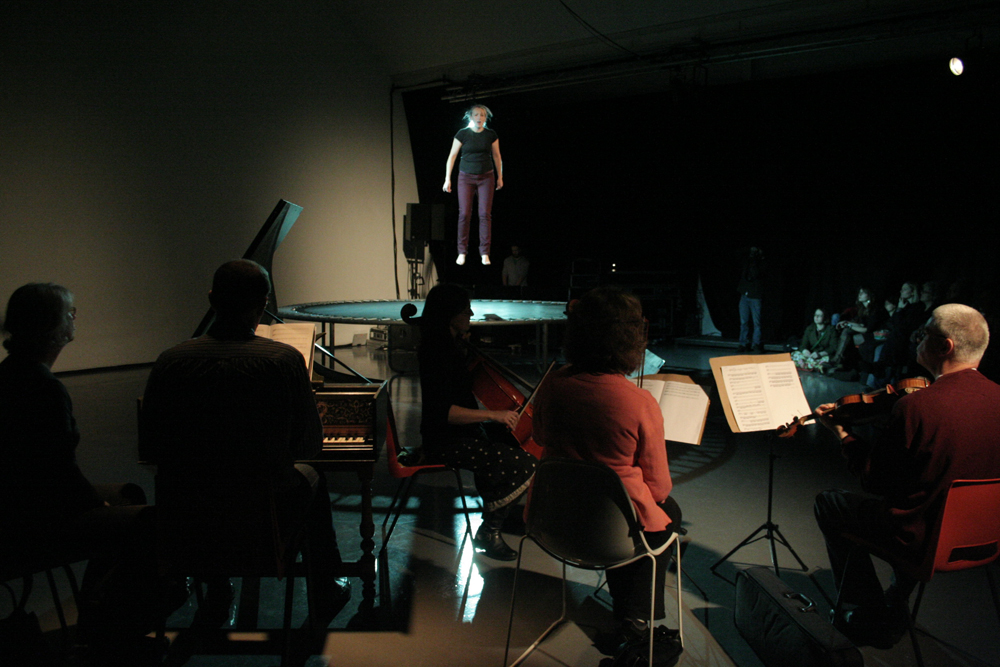
A chorister attempting to sing Vivaldi, with live accompaniment, while trampolining for 20 minutes.
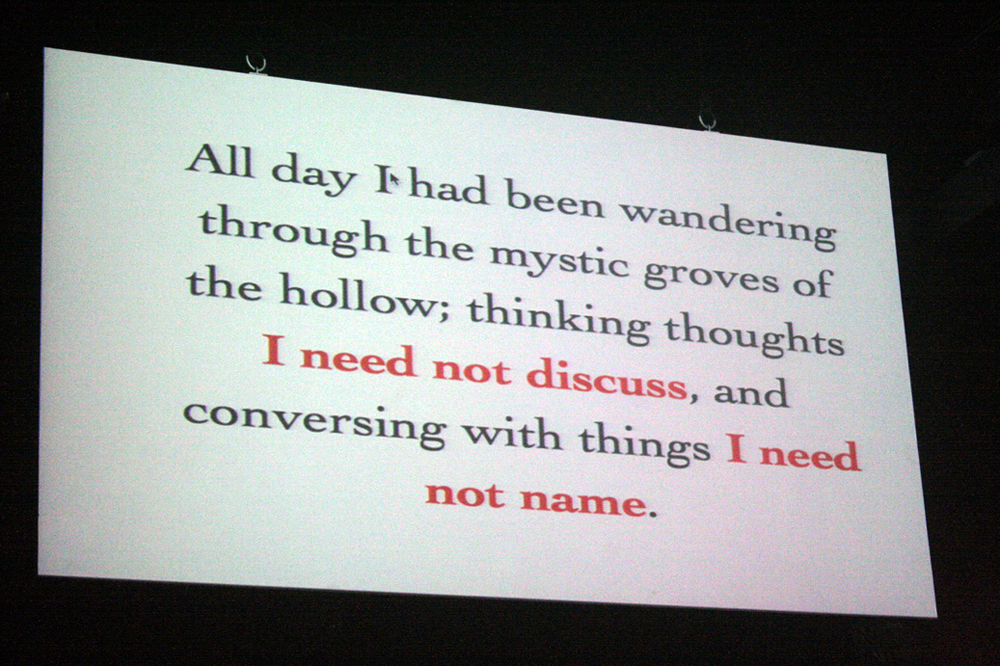
A chat, with examples (Zola, H. P. Lovecraft, Hammer Horror), about blackness and the sheer stupid thickness of what has no profundity whatsoever.
Radical transfeminism aims to hold the space for finding relations between the ruins of the everyday. Emerging from the debris, spaces for politics find form as poetics to carry understandings, actions and be/longings.
Arika is working in partnership with Decriminalised Futures on a multi year collaboration featuring multiple creative projects exploring sex worker lives, experiences and movement struggles.
A celebration of risk taking and adventure from some of the boldest pioneers of the past 40 years, melding avant garde and underground forms of music and moving image to create new experiments and experiences in sight and sound.
Finnish duo Grönlund Nisunen are known for their extraordinary work fusing incredible sounds with stunning objects in large scale sculptural installations.
Criminal Queers visualises a radical trans/queer struggle against the prison industrial complex, working to abolish the multiple ways our hearts, genders, and desires are confined.
There are core ways in which our listening to the radio differs from other kinds of listening. What happens when we pay attention to how we pay attention?
Our favourite Lancashire-born autodictact asks what’s political about the tension between the individual and the collective in free jazz.
How do communities formed under the duress of violent othering and the joy of solidarity – such as ballroom culture, Black diasporas, Zapatistas – reform bonds of kinship?