Gary Smith
Gary Smith
Guitar solo where inscrutable, minute electric sounds are excavated by palms that smother and strangle, that wring sound from the fretboard, from behind the bridge.
Arika have been creating events since 2001. The Archive is space to share the documentation of our work, over 600 events from the past 20 years. Browse the archive by event, artists and collections, explore using theme pairs, or use the index for a comprehensive overview.
Guitar solo where inscrutable, minute electric sounds are excavated by palms that smother and strangle, that wring sound from the fretboard, from behind the bridge.
Umeda is a Japanese artist who is as fascinated in setting up interesting situations to observe, as he is in creating performances.
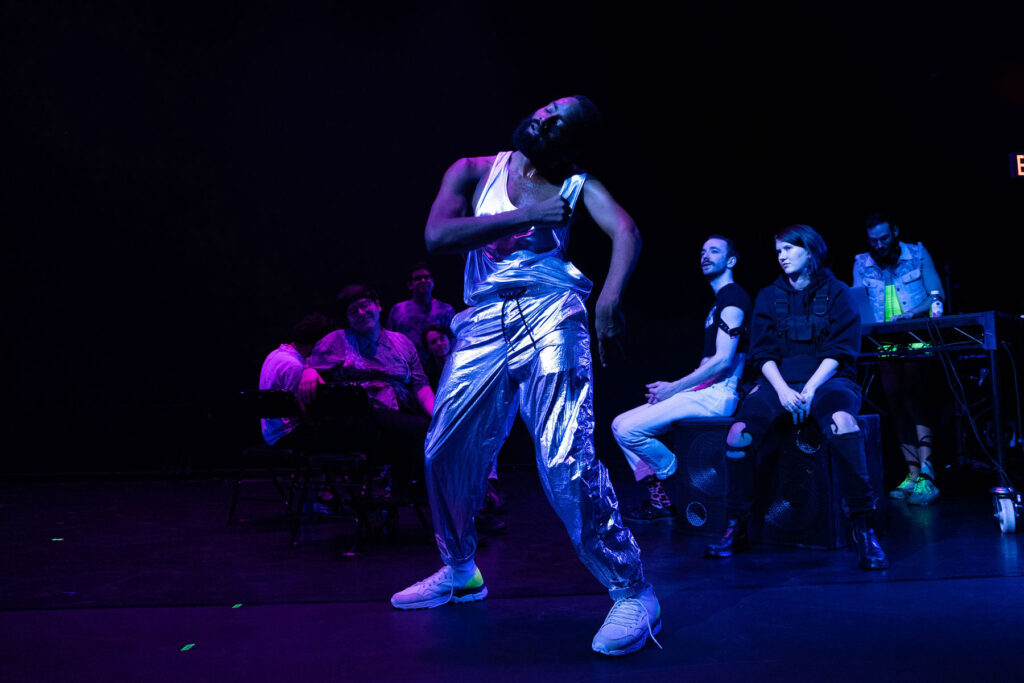
The mutability of the body and the mobility of identity: queered pop culture, drag, lip-sync and performance.
One of the most compelling Indigenous voices of her generation discusses practices of Indigenous Resurgence drawn from Nishnaabeg poetic knowledge.
John Butcher plays and manipulates a feeding back saxophone. Benedict Drew on electronics, broken cables and standing waves.
Acoustic turntable, engines, trumpet and accordion joined by Bassist Magarida Garcia: build long-form quietly detailed pieces that clatter and rumble, that expand and contract with the tension and release of deeply held breath.
Cask-strength electrohypnol/ shroom damaged folk croonings by Lapsed Electronics empire builder responsible for recent Tremors blowouts.
One of the great experimental films. A 60 minute, three part riddle that maybe approximates our intellectual development by moving from imageless words to the recognition of silent images and the learning of simple tasks and finally a serenity and acceptance of death.
Rather than asking the state for services, what kinds of change are made possible when we prioritise people supporting each other?
Koji Asano, Japanese composer and sound-artist performing slow groaning burbling tones, moaning echoes and drones.
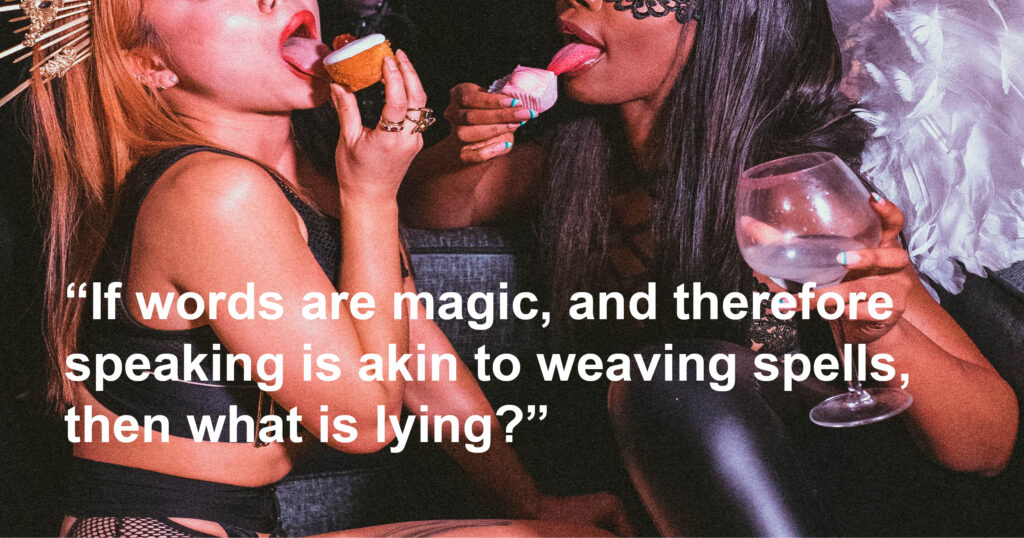
An invitation into languages field of touch; to speak in feeling together.
Dworkin asks: What would a non-expressive poetry look like? A poetry of intellect rather than emotion?