Hit Parade (New York)
Christof Migone
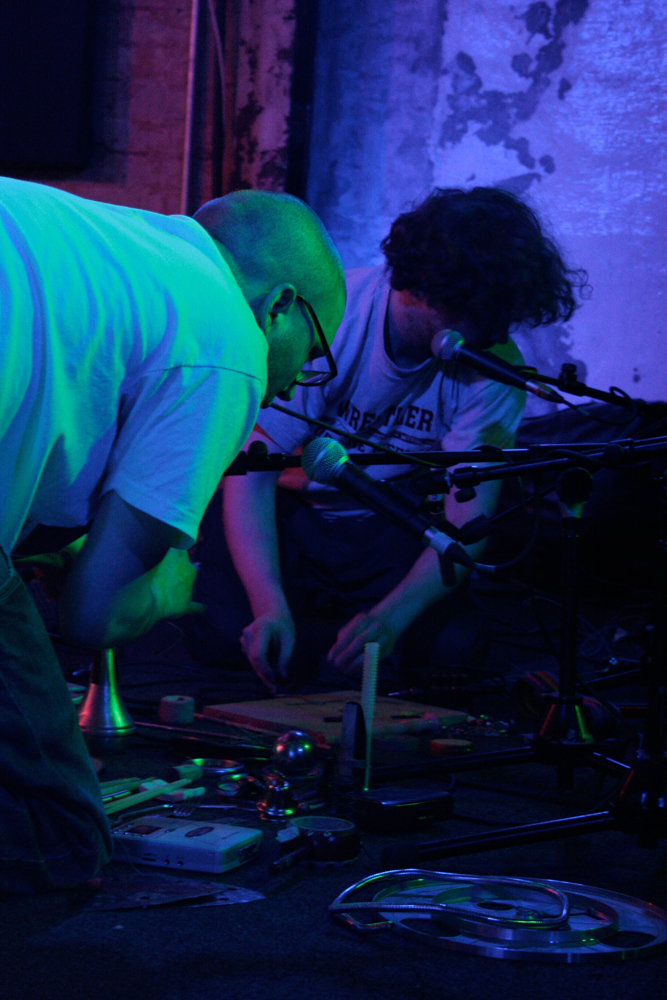
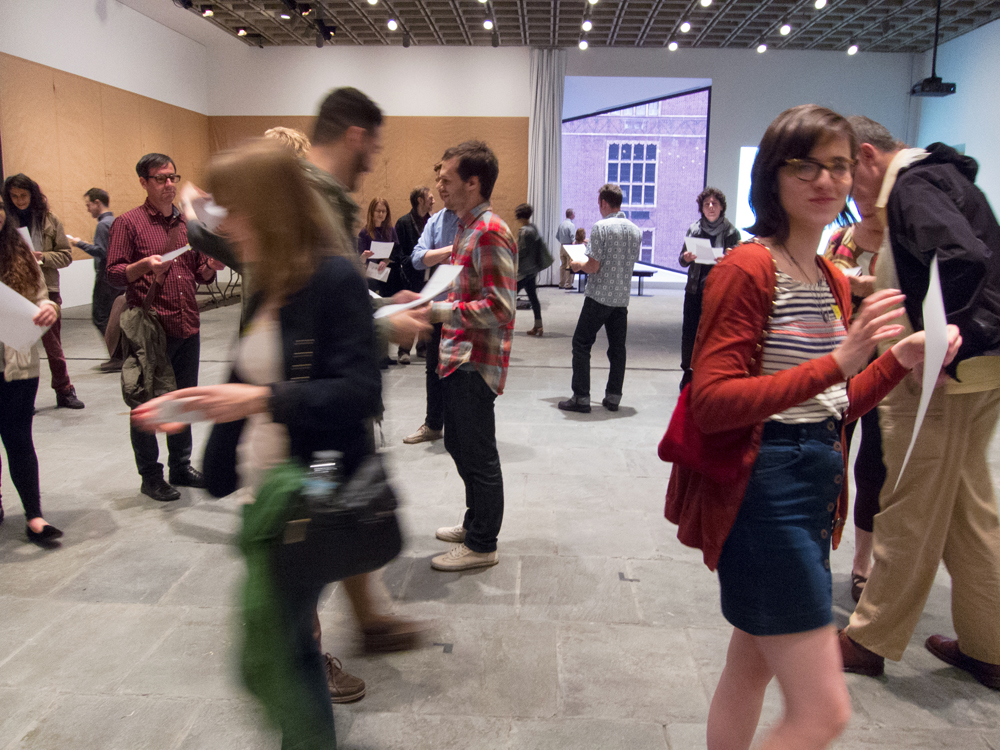
Sound as it is endured by space and the body: 15 participants lie face down and pound the floor with a microphone one thousand times, each person choosing their own rhythm and intensity.
Arika have been creating events since 2001. The Archive is space to share the documentation of our work, over 600 events from the past 20 years. Browse the archive by event, artists and collections, explore using theme pairs, or use the index for a comprehensive overview.
Sound as it is endured by space and the body: 15 participants lie face down and pound the floor with a microphone one thousand times, each person choosing their own rhythm and intensity.
MICRO 1 – Wrap a live microphone with a very large sheet of paper. Make a light bundle. Keep the microphone live for another 5 minutes. T. Kosugi – (1961)
Akio Suzuki and John Butcher performing in a large multi chambered industrial ice house.
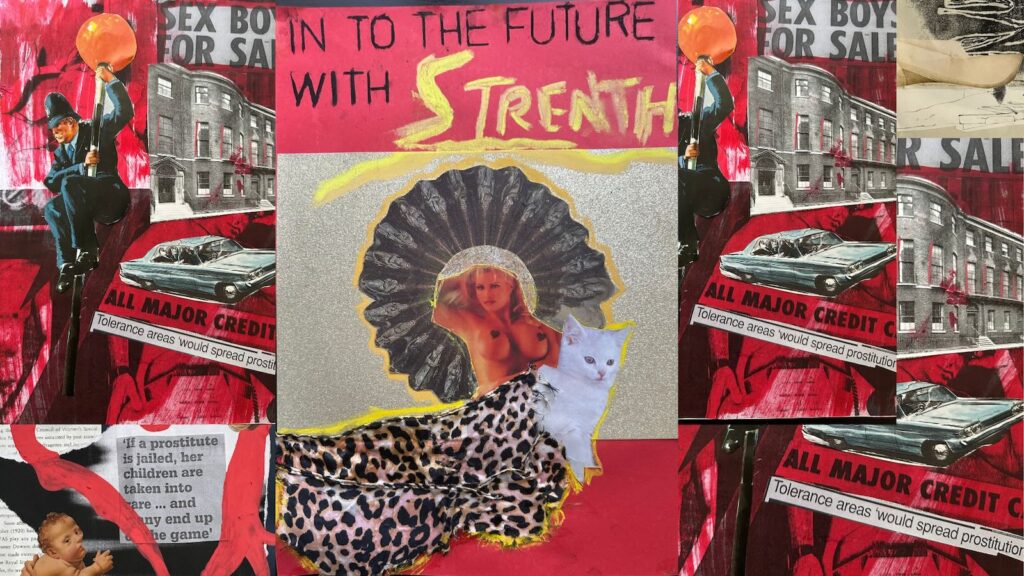
All welcome to a weekend of sex worker resistance and joy! Workshops, talks and visual art, hosted by Scotland for Decrim.
Munehiro Narita’s Kyoaku No Intention (Worst Intentions) fired out some of the most compelling no-wave improvised rock of the 80s.
An occasion for commotion, and a chorus of motions. Choreography rotating your revolutions and then some.
In Ramayya’s visionary poetry, the body assumes as many forms as love produces states: attraction and repulsion, excitement and exhaustion, selfishness and the dissolution of self.
A black hole of dense heaviosity, full of slow motion riffage, tectonic pummel and massive planet destroying rock.
Three (thankfully short) chats wherein we try and get at what’s eating us with regards to experimental music, and what we think might be worth salvaging.
Greek TV company Onos Productions came to INSTAL 09 to document the festival and report on Nikos Veliotis’ Cello Powder performance.
Birthed from the collective stagger in global consciousness of the late 50’s and 60’s, this programme celebrates epochal, groundbreaking films that all address sound in their own way and that have opened pathways to experimentation.
Rather than asking the state for services, what kinds of change are made possible when we prioritise people supporting each other?