Pedagogy and Liberation in Times of Proscription
Pedagogy and Liberation in Times of Proscription
Join local community organisers and activists in Glasgow to think about how we build and share knowledge of state power–including proscription, police violence, elite capture, and legislative attack–while avoiding surveillance.
Overview
Over the last five years we have witnessed a proliferation and elite absorption of anti-racist vocabularies and DEI frameworks, alongside the widespread suppression of solidarity with the people of Palestine in the face of ongoing genocide. Throughout this, the role of policing and state censorship – particularly, in Britain with expanded use of ‘proscription’ and ‘counter terror’ measures – has been clear, often implemented through discourses around ‘community safety’, ‘risk’, and ‘hate crime’.
Universities have been at the heart of these shifts, both in terms of supressing Palestine solidarity on campuses, and in continuing to be part of the economic, material and ideological forces that sustain the genocide (despite parroting a language of anti-racism and ‘free speech’).
Here, while student protest encampments and workers struggle within the university have provided space for anti-racist and anti-imperialist organising, other forms of knowledge production have been crucial to solidarity movements: workers inquiry, cop watch countersurveillance tactics, legal observation initiatives, activist research collectives, radical archives, reading groups, redistribution initiatives, learning through praxis.
This panel initiates a discussion about how we might build and sustain such sites of shared study, action and knowledge.
How have different historic movements – against apartheid in South Africa, in solidarity with anti-imperialism and anti-colonial struggle – shared information and undertaken political education? What kinds of intergenerational knowledge do we need to build, and how do we do so? How do we repurpose the resources of the university, without feeding wider anti-intellectualist discourses? What other sites of knowledge production and shared study do we need? How do we build and share knowledge of state power – proscription, police violence, legislative attack – in ways that avoid surveillance?
ReadBIOS
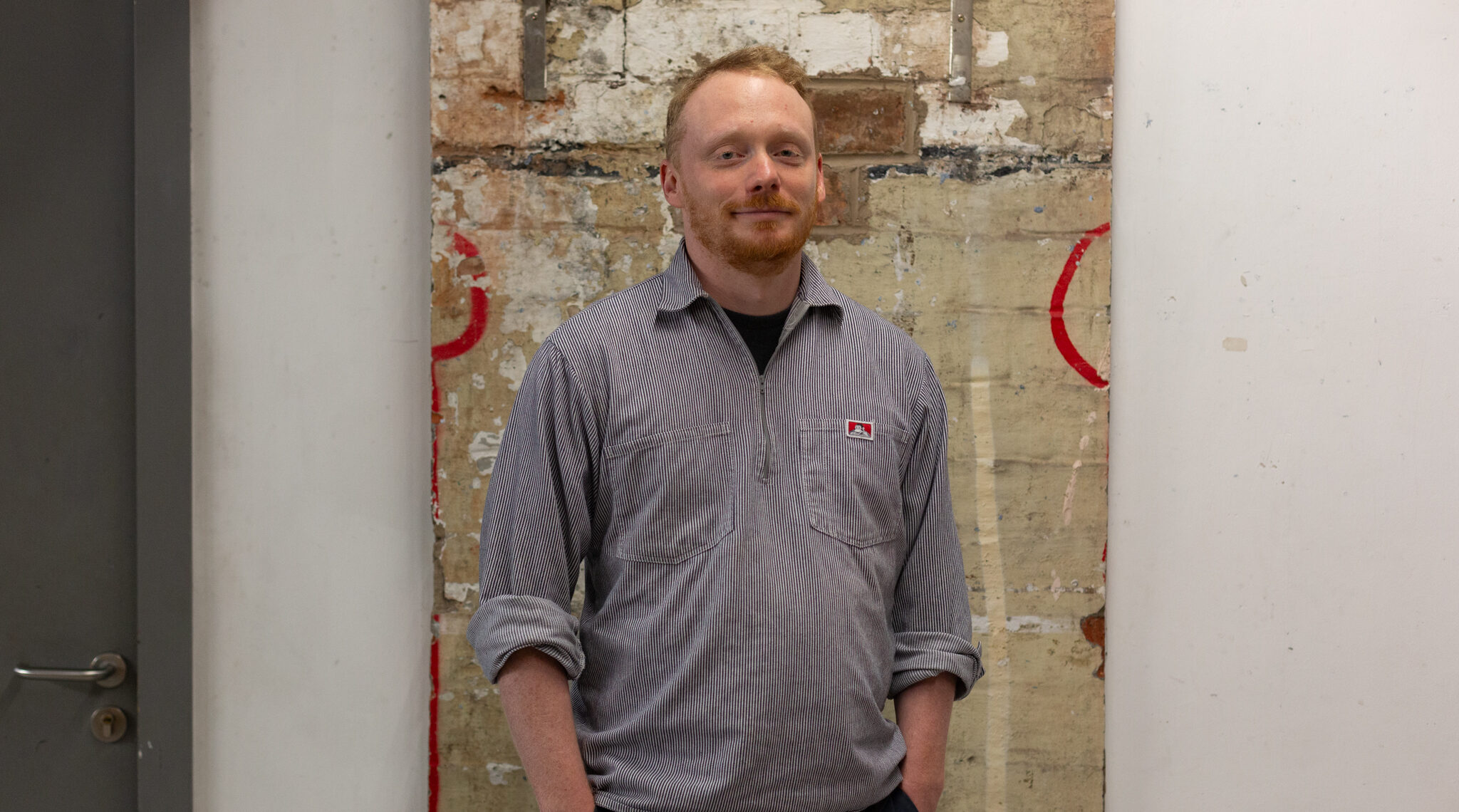
Joel White is a writer and researcher based in Glasgow. He is involved with groups in the city that organise around mutual aid, migrant solidarity, prison abolition and anti-racism. His writing has appeared in Guardian, Wire, Tribune and the LRB blog. He co-runs the record label GLARC.
layla-roxanne hill is a writer, cultural + community worker. She thinks + feels about many things, including class + anti-colonial struggle, kula (care), belonging + the way our conditions move us to act/take action. She’s currently interested in forgetting/remembering, health + fitness + community education. layla-roxanne is also active in the trade union movement.
David Kenvyn was born in 1949, studied history at the London School of Economics and Political Science from 1968, where he joined the Anti-Apartheid Movement. He became involved in the Stop the Seventies Tour campaign, and worked with the Southern African liberation movements for Angola, Mozambique, Namibia and South Africa.
David became Chairperson of the London Anti-Apartheid Committee in 1982 and attended international conferences in Brussels, Tanzania and Johannesburg. He worked as a volunteer in the ANC Regional Office in Johannesburg during the 1994 election.
Following the closure of the Anti-Apartheid Movement (mission accomplished), David became involved in Action for Southern Africa (ACTSA) which has campaigned to reverse the impact of apartheid. He is currently Vice-Chair of the ACTSA Board of Trustees and Vice-Chair of ACTSA Scotland.
Masa Nazzal and Hajar Ibrahim are political organizers whose work has focused on Palestine solidarity, direct action, and collective resistance. At ARIKA, they draw on their experiences of organizing, taking action, and navigating the political and personal questions that emerge through movement work.
Paula Larkin is Archive & Heritage Manager for Govanhill Baths Community Trust. I manage, preserve, and make accessible not only the history of the building but the communities who have used them since 1917. The Irish community is key. In 1917 we had the Irish, Italian, Jewish and Scottish Gaelic communities. Then in the late 40’s early 50s the South Asian Community and in the 90s the Eastern European communities from the Czech Republic, Poland and Slovakia. We now have over 50 nationalities in our community and over 80 languages being spoken and the biggest Roma community in the UK. It’s not just migrant communities but Urban Communities: Artists; LGBTQ and Community Enterprises. We established our Irish History Group in 2022 it is flourishing I’d be happy to talk on the collective migrant experience from the lens of the Irish.
Access
Live Captions
See general Access information for Episode 12: From the Rivers to the Seas event
Artists
Joel White
layla-roxanne hill
Darcy Leigh