aquasomatics
Nat Raha Ailie Ormston
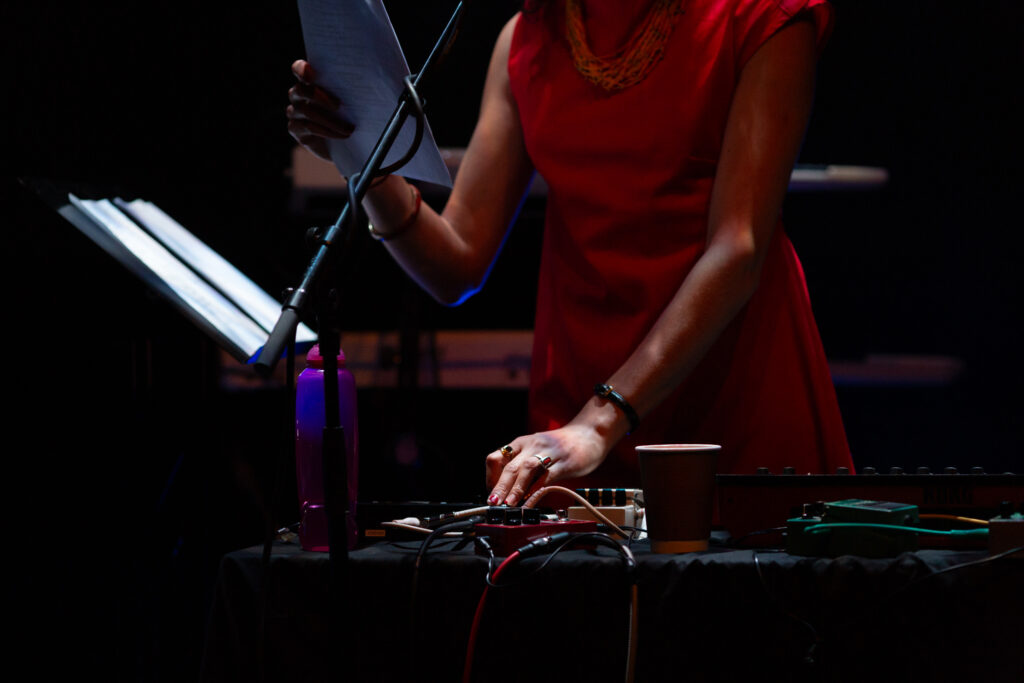
Transfeminist and revolutionary poetry, voice and timbral abstraction: a sounding and spatialising of reparative sonic and somatic practices that can speak back to violent histories of expropriation and ecocide.
Arika have been creating events since 2001. The Archive is space to share the documentation of our work, over 600 events from the past 20 years. Browse the archive by event, artists and collections, explore using theme pairs, or use the index for a comprehensive overview.
Transfeminist and revolutionary poetry, voice and timbral abstraction: a sounding and spatialising of reparative sonic and somatic practices that can speak back to violent histories of expropriation and ecocide.
Three (thankfully short) chats wherein we try and get at what’s eating us with regards to experimental music, and what we think might be worth salvaging.
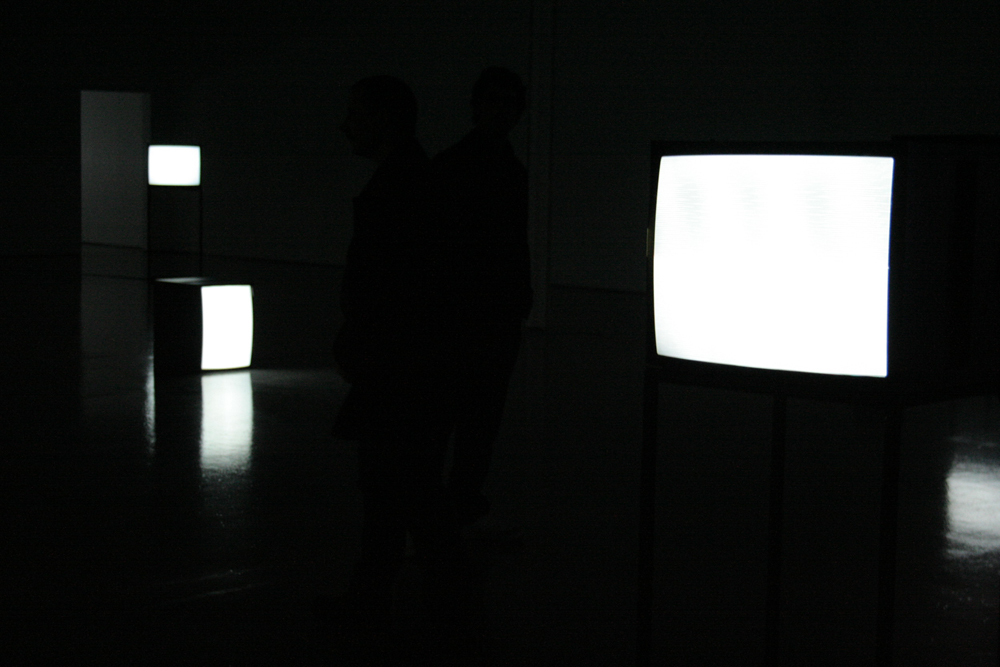
The reknowned artist Kjell Bjørgeengen works collaboratively with innovative musicians to make complex installations. Channels of flickering light are produced in response to and from sound.
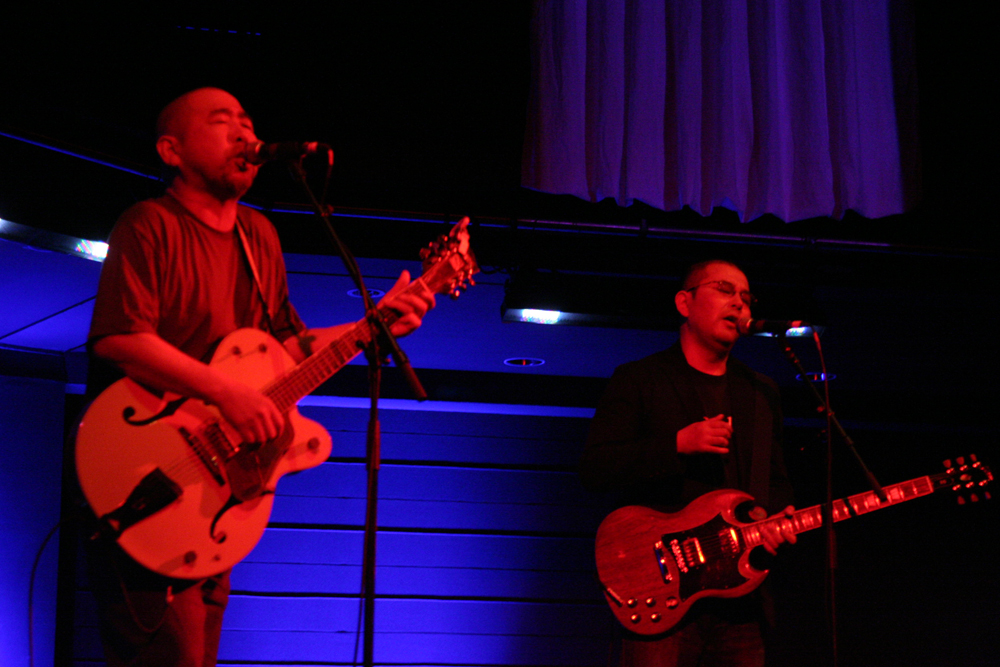
Folk poet, actor and bon viveur Kan Mikami in duo with Jojo Hiroshige, a founding member of Japanese Noise band Hijokaidan.
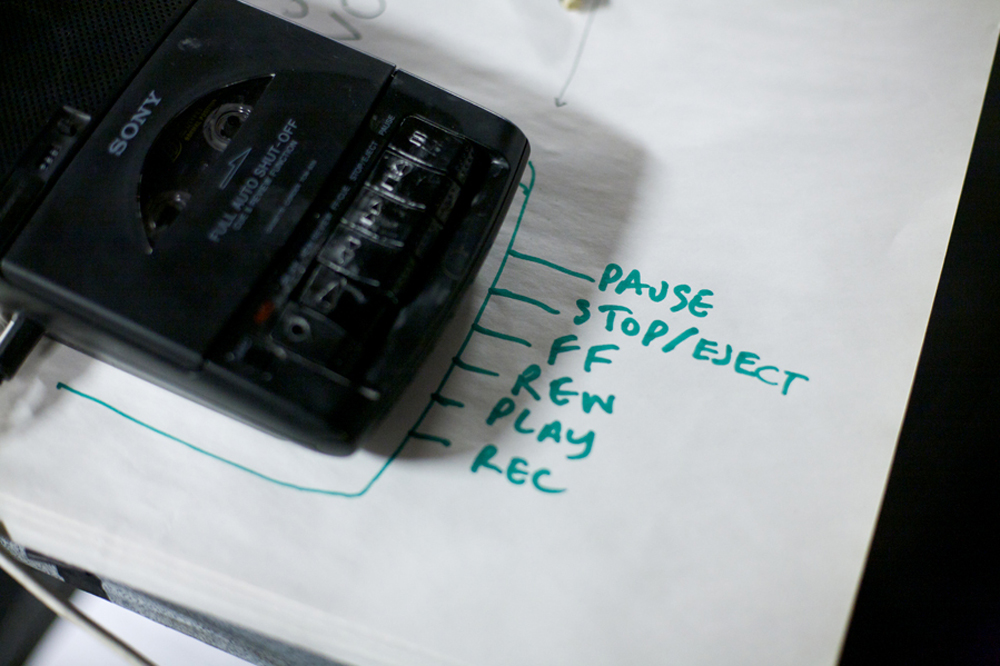
An audio and video investigation of gender cults, Catholicism, hauntings and nuns’ use of audio devices…
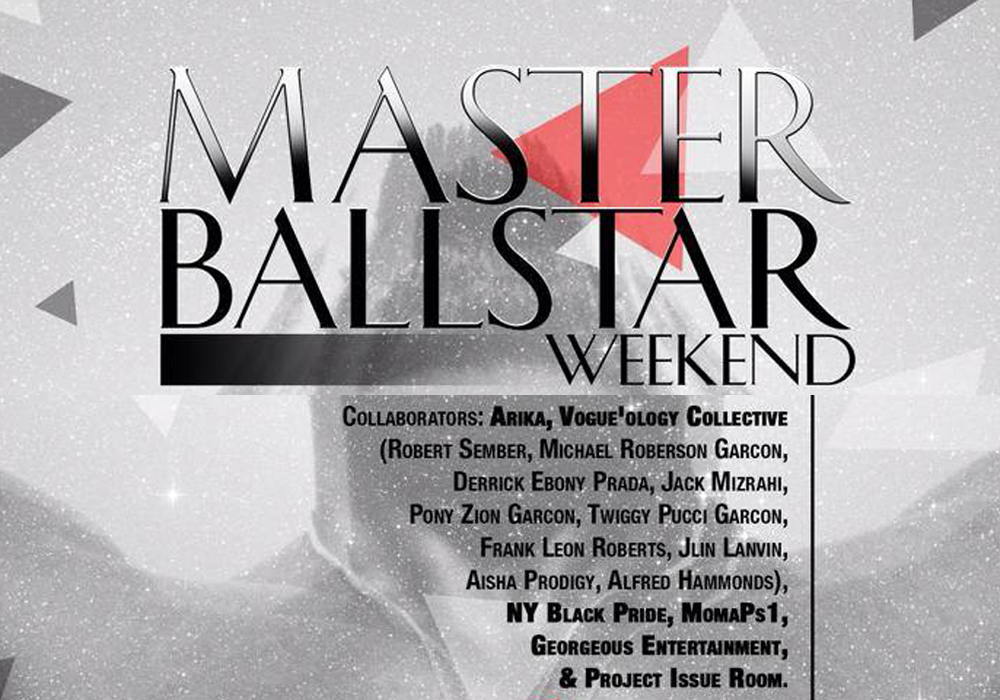
A series of events organised by the Vogue’ology collective from the House Ballroom community in New York grounded in the scenes history of autonomous, self-organised struggle and a shared investment in collective art practices and how those intersect with the multiple and often divergent struggles for freedom.
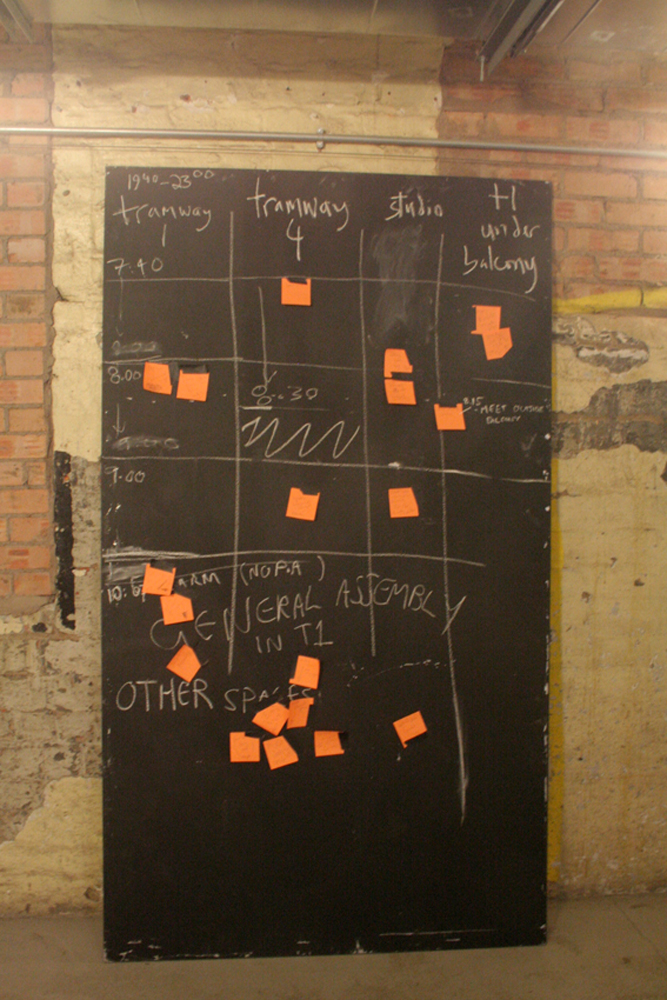
Three workshops lead up to an open invitation to improvise with the festival as concert. The last four hours of the Sunday 14 at Instal 10 were devoted to presentations devised during the three workshops. The material conditions (time, space, facilities…) were the instruments. From there anything could happen.
Glasgow based artist Defaalt invites the audience to collaborate fully in his performance by means of a generative graphical interface.
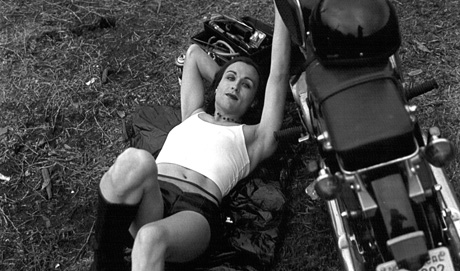
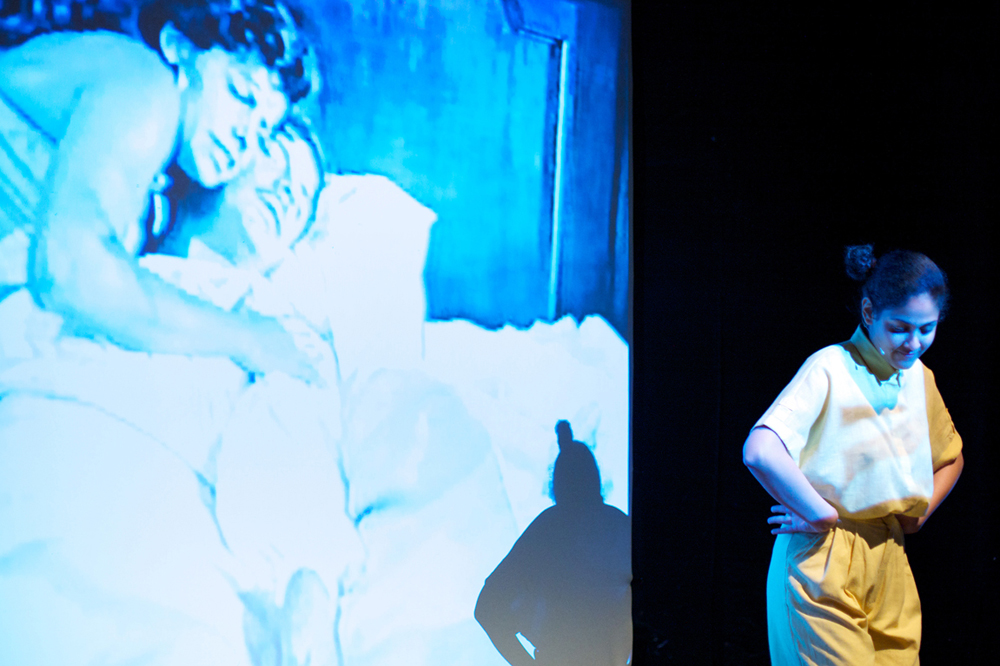
A performed film lecture exploring how the ‘Rumberas’ of Caribbean cinema of the 40’s and 50’s subverted demeaning images of themselves through dance, sound and a sociality that insisted on blackness as being a cultural performance, not simply due to skin colour.
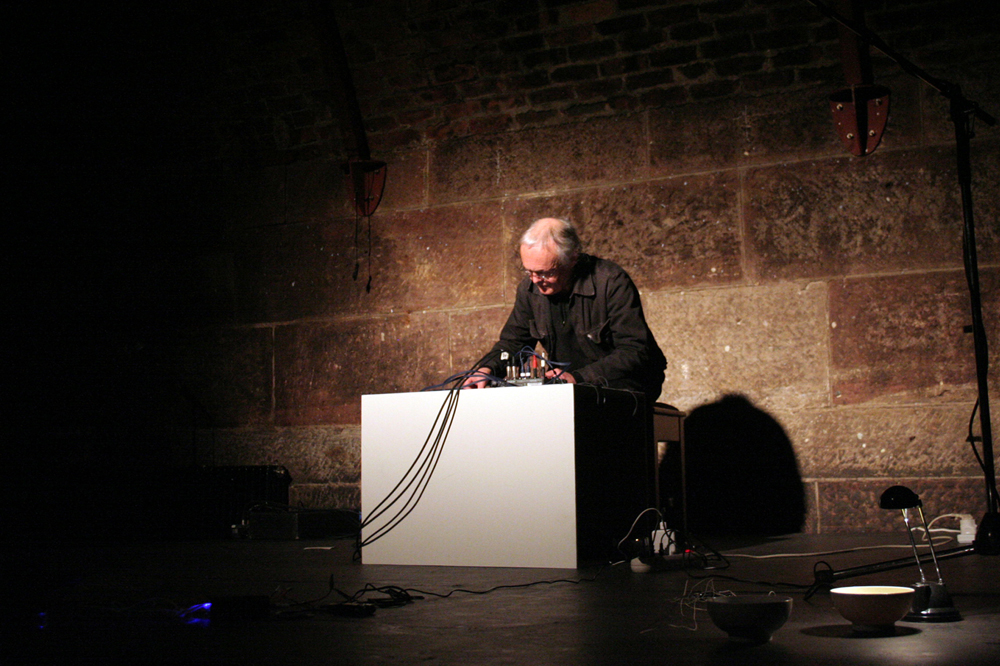
Julius’ “small music” features simple snatches of found sound, played back through small speakers, often set in bowls of pigment and dirt which shimmies in the vibrations.
Tormented and drawn-out high-pitched yelps and drones, all interleaved with periods of torpid silence.
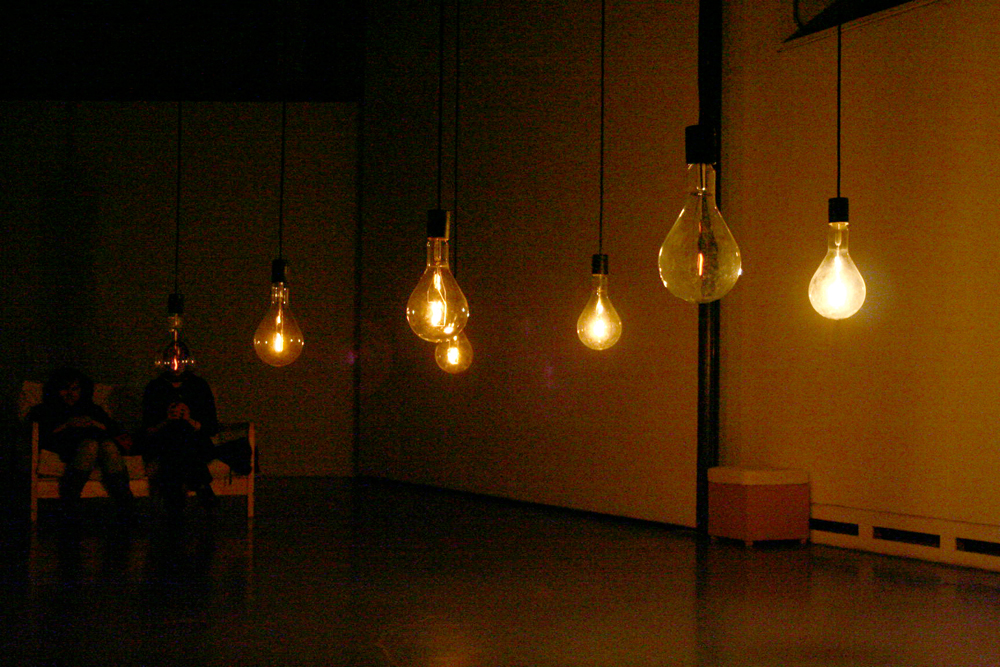
Audio signals pass through light bulbs, causing the filaments of the bulbs to sing and crackle in a chorus of electronic static.