Merzbow
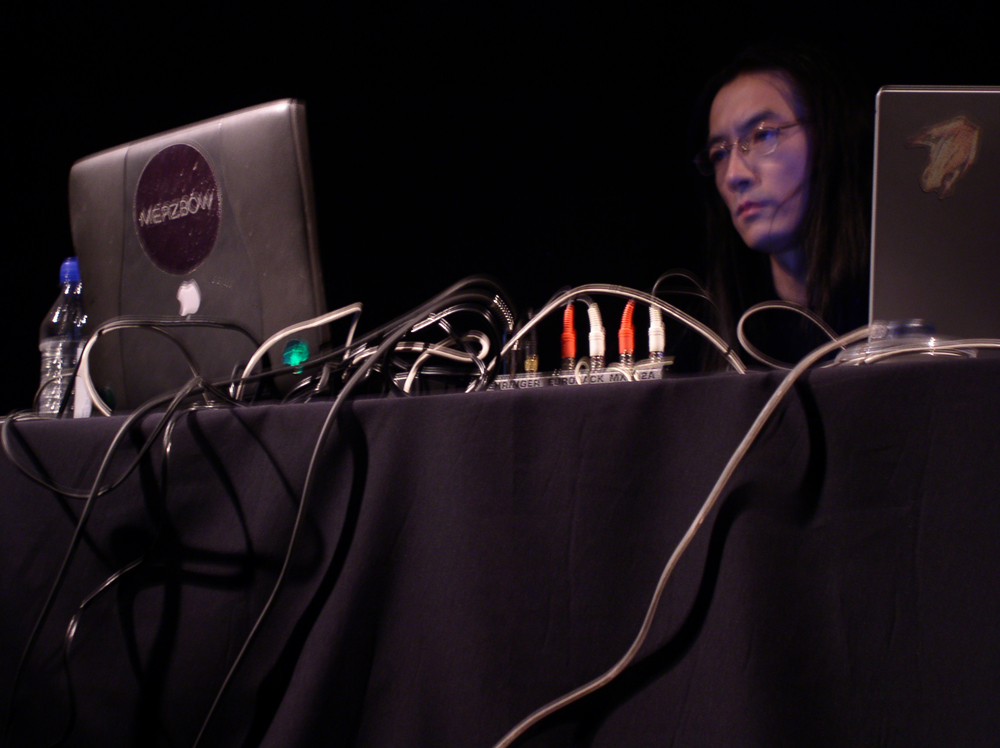
Merzbow takes the junk of sound and transforms it into blistering noise assaults with an incredible spectrum and impact.
Arika have been creating events since 2001. The Archive is space to share the documentation of our work, over 600 events from the past 20 years. Browse the archive by event, artists and collections, explore using theme pairs, or use the index for a comprehensive overview.
Merzbow takes the junk of sound and transforms it into blistering noise assaults with an incredible spectrum and impact.
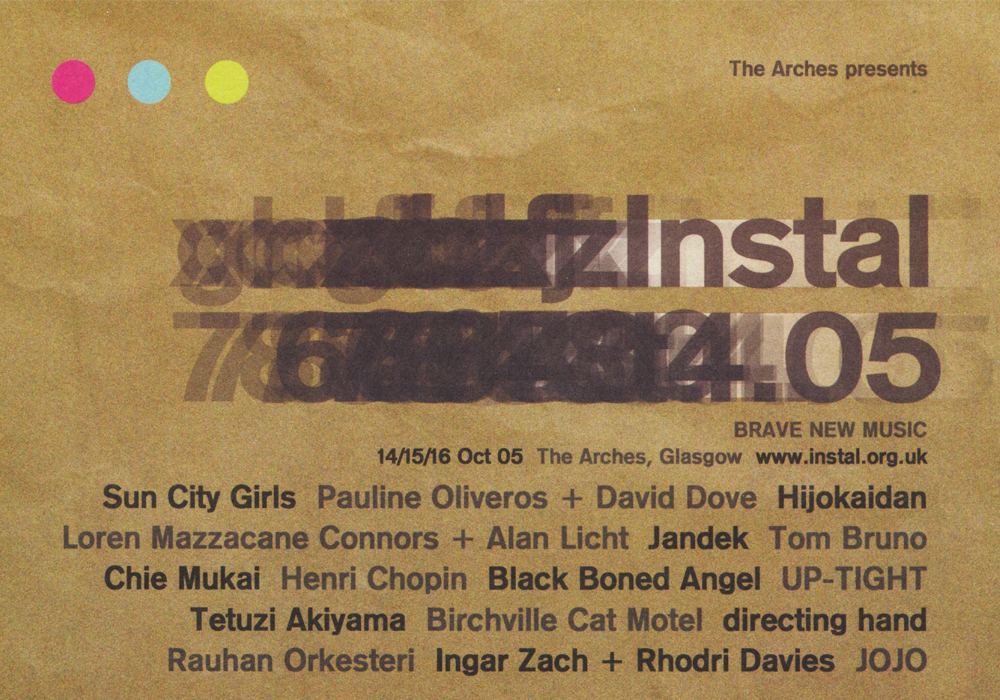
A cast of pioneering spirits over an expanded three day festival including Jandek (one year on from his first ever show at INSTAL 04), JO-JO, Tetuzi Akiyama,Tom Bruno, Pauline Oliveros, a legendary Hijokaiden performance and Henri Chopin.
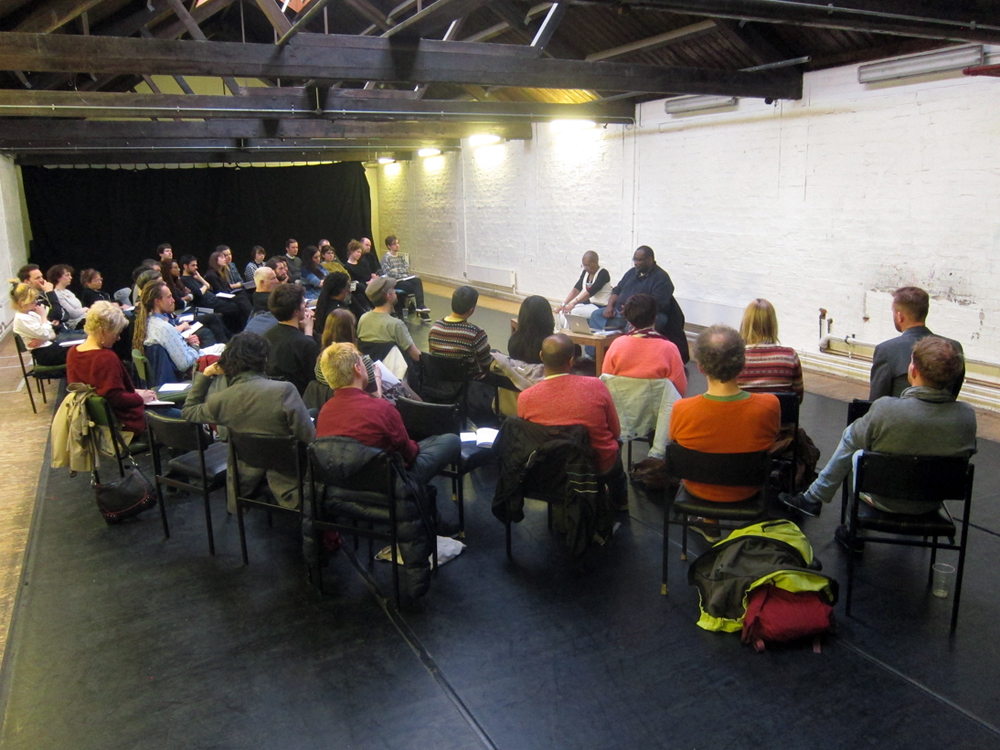
A conversation between Philip and Moten: how do we read NourbeSe’s anti-narrative poetic lament in Glasgow today, given the city’s role in the history of slavery?
A trance inducing, flickering investigation of structural and minimalist droning from one of the key thinkers in sound and image over the last 50 years
An excavation of the 1805 Lock Hospital in Glasgow. Its official function was to support ‘unfortunate females with venereal disease’, but really what happened was that women and girls were marched in, experimented on, and often never released.
Databases carry the same seeds of creativity that early documentary makers saw in film. Both can empower people by helping them to master information, both can be claimed to represent some kind of reality or truth.
The production of moving image (film) by the mechanically, unfalteringly repetitive manipulation of mass-produced materials (film), in order to explore three different allegorical representations (films) of repetitive human actions and labour under capital.
“Hidden in the hands an alluvial transcription of reach and embrace. The final flickers of the body’s expression, caress and touch.” – boychild
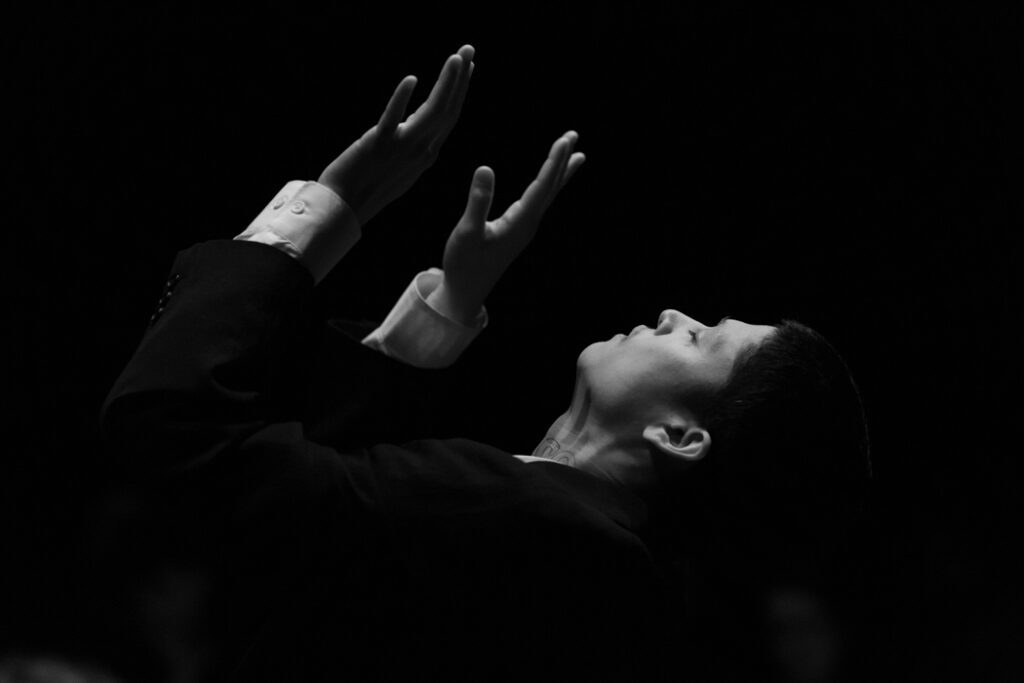
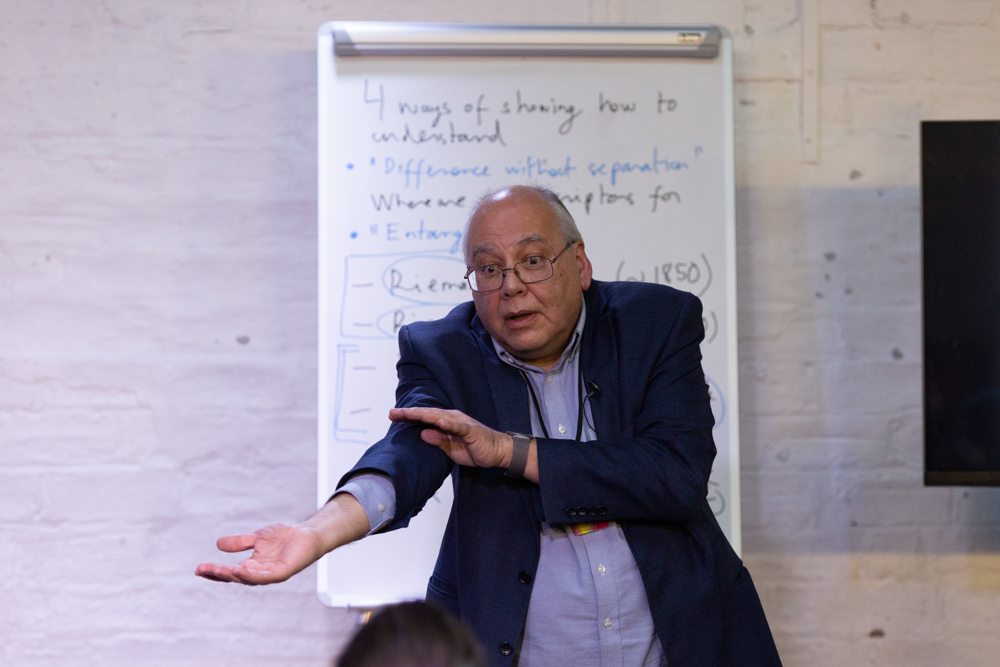
Fernando thinks that when maths is deep, it should be simple and able to be explained by hand gestures. By embodying ideas, we’re able to more clearly think about their cultural implications.
Individual experience separated by physical boundaries (of space, time or ability) suggested as communities of collective experience by (perhaps voyeuristic) artists.
This programme takes human subjects as the focus for sound and image construction. And it includes a couple of masterpieces of experimental film: Paul Sharits’ deeply empathetic interpretation of epilepsy and Peter Kubelka’s Webern inspired abstract portrait of Arnulf Rainer.
What would a world and an ethics look like free from the destructive consequences of the Western mind?