Formula [ver 1.1]
Ryoji Ikeda
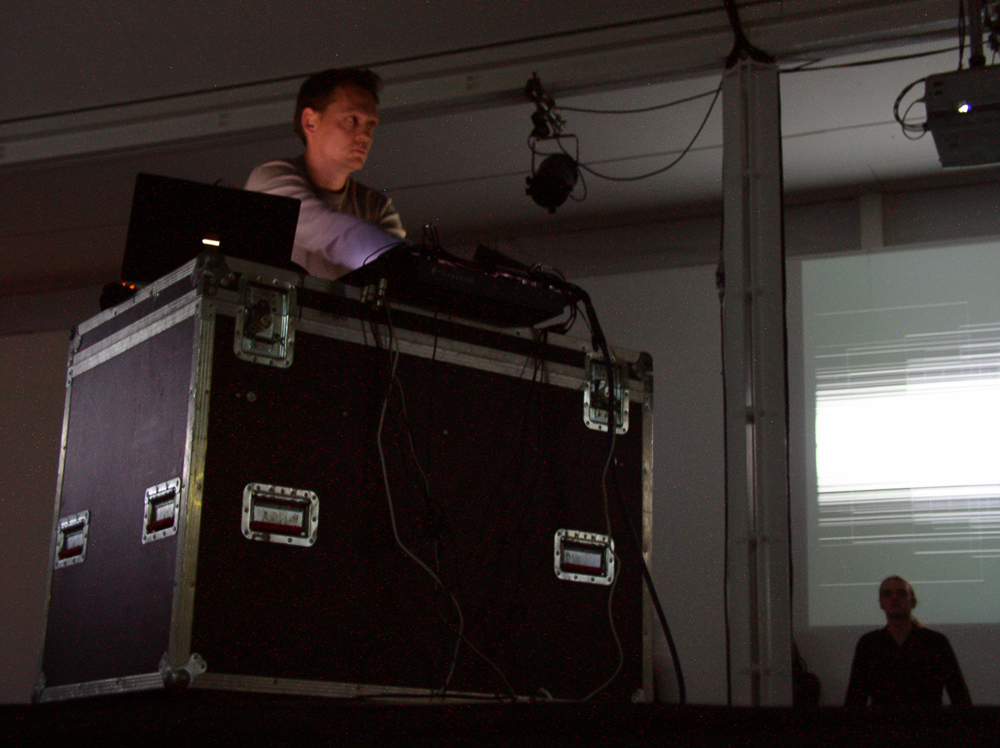
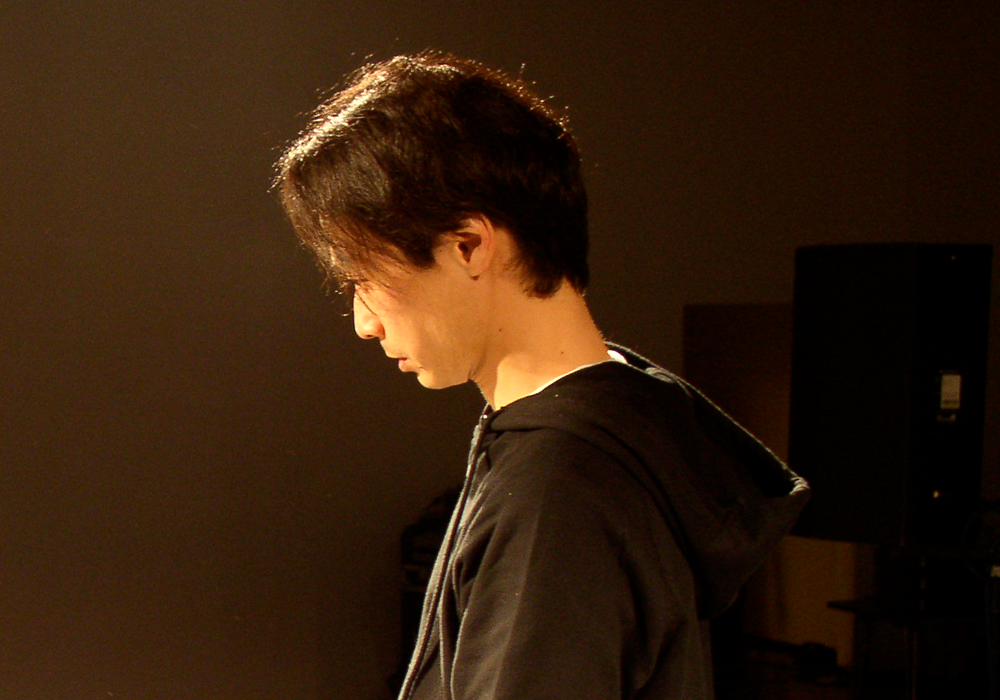
Exploring the interplay between punk sinewave aggression, high-speed video sequences and stroboscopic lighting
Arika have been creating events since 2001. The Archive is space to share the documentation of our work, over 600 events from the past 20 years. Browse the archive by event, artists and collections, explore using theme pairs, or use the index for a comprehensive overview.
Exploring the interplay between punk sinewave aggression, high-speed video sequences and stroboscopic lighting
60 cycle hums, jagged static cracklings, and clipped electron pinpricks, mutating them into sublime, post-techno grooves
A programme of discontinuity between narration, text and image. Including Manual Saiz’s employment of John Malkovich’s Spanish dubbing double and Peter Rose’s absurdly hilarious concrete poetry subtitling chaos.
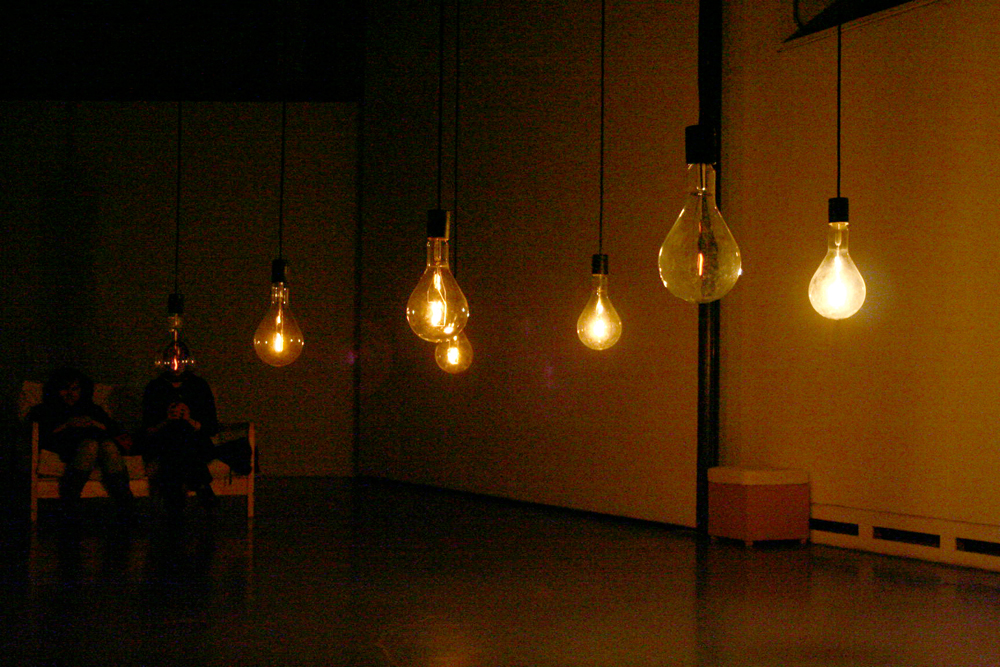
Audio signals pass through light bulbs, causing the filaments of the bulbs to sing and crackle in a chorus of electronic static.
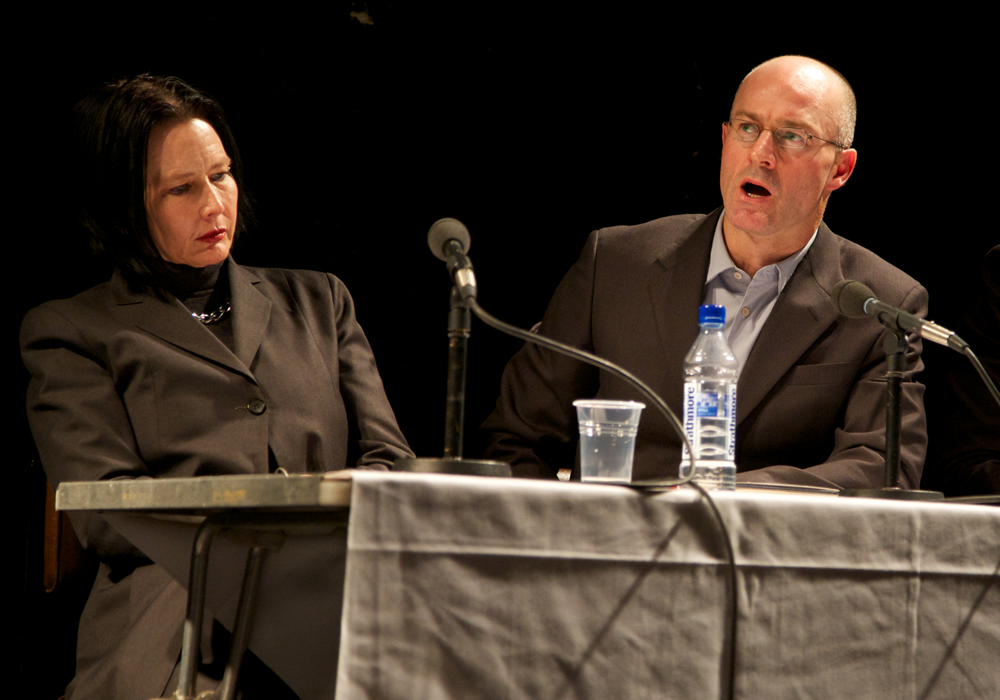
Conceptual writer and practicing lawyer Vanessa Place performs and talks with Mark Sanders, author of the brilliant “Complicities: The Intellectual and Apartheid”
A silent performance of (musical) reverberation.
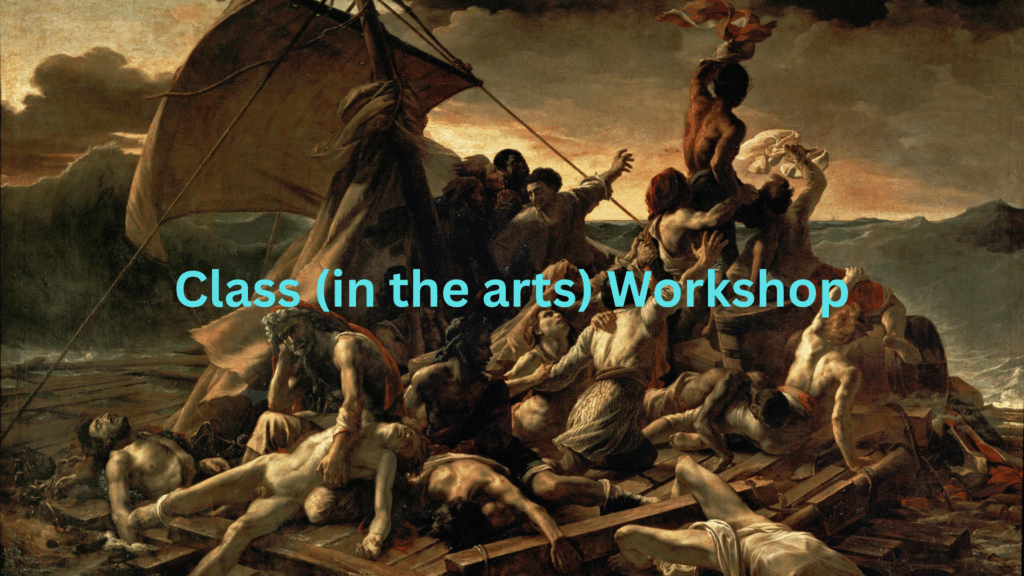
A 2-day workshop to deconstruct our classed experiences and the ways in which we reproduce the same class system we fight against, in order to create a stronger, more egalitarian Scottish art sector.
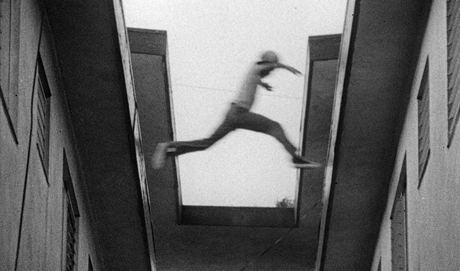
Killer of Sheep is an undisputed masterpiece of African-American filmmaking and one of the most poetic, perceptive dramas ever made about family and community.
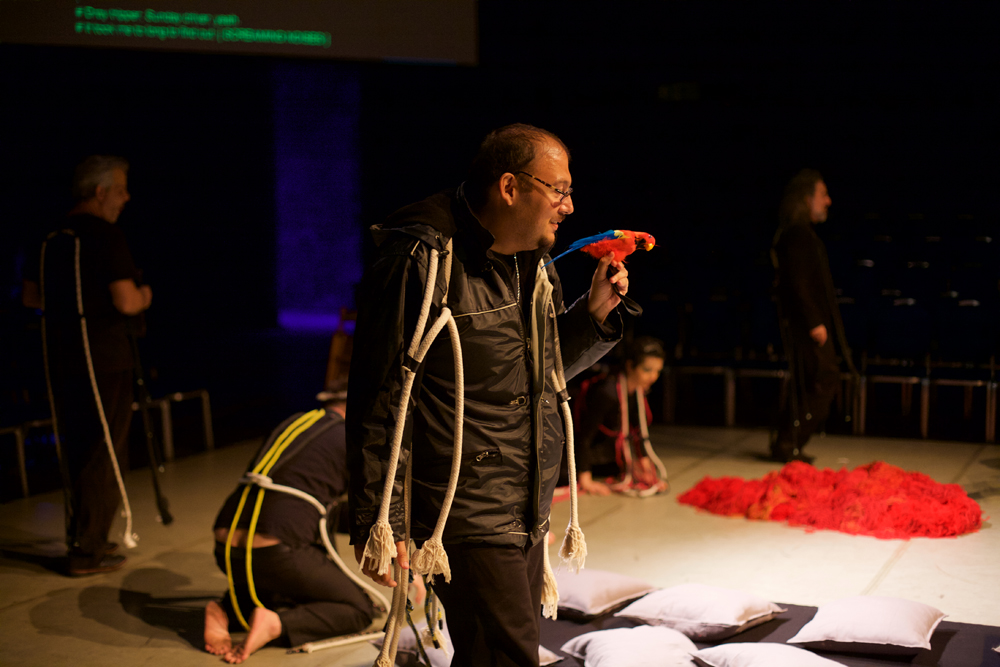
Inhabiting a different kind of energy, Ueinzz’s open rehearsals reveal a glimpse into their ongoing daily theatrical modes of caring – multiplying the ways in which their plays are meant to be felt, rather than understood.
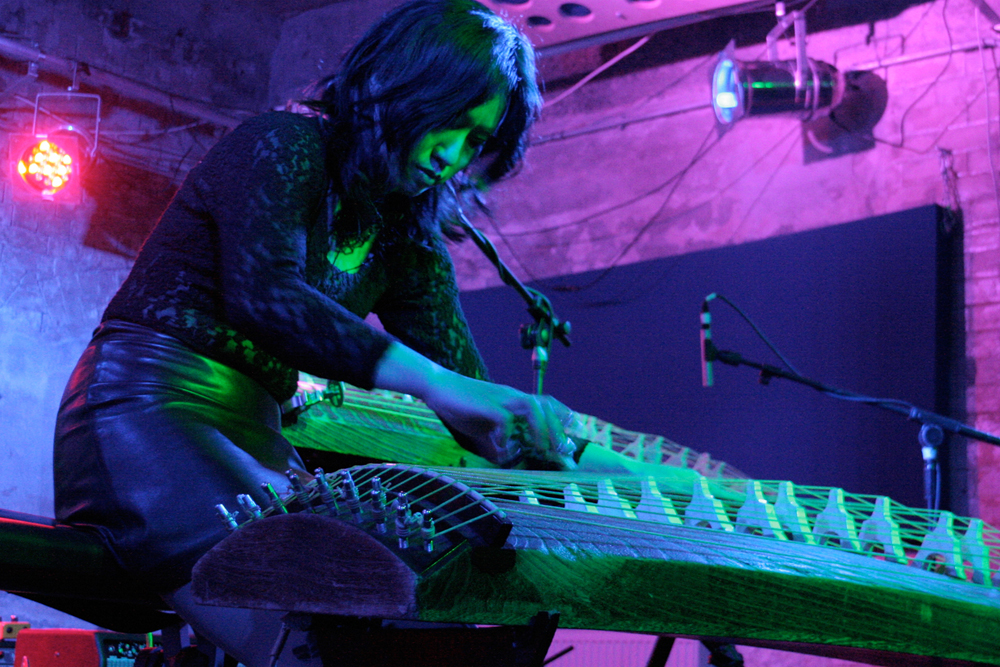
Sometimes delicate, sometimes harsh and jarring, Yagi’s koto solos are as much inspired by Nancarrow or Cage as they are traditional.
How do people both inside and outside of prison work together to dismantle the criminal justice system and build a society based on collective care?
How does this practice, that simultaneously resists and honours the distinctions between these genres, materials and senses, determine the inhabitation of another: a convergence of aesthetic and social experimentation?