Arika  Archive Menu
Accessibility Settings

text size

colour options

monochrome muted color dark

reading tools

isolation ruler

Arika have been creating events since 2001. The Archive is space to share the documentation of our work, over 600 events from the past 20 years. Browse the archive by event, artists and collections, explore using theme pairs, or use the index for a comprehensive overview.

Filter the Archive
Suggested Searches

All Archive (721)

Order by
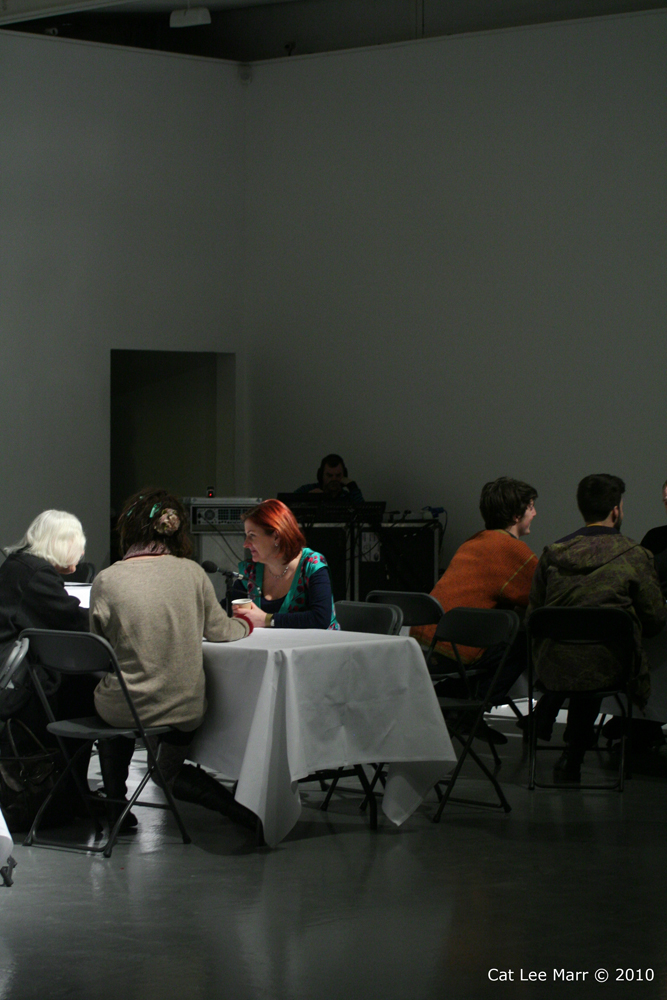
Seated people chat near microphones
26 February 2010

SpeedDataRadio

Resonance Radio Orchestra

A changing pool of people (40 or so at a time – artists, audiences, etc) talk for 90 minutes in a simultaneous series of open-ended round-table discussions, structured like speed dating, and mixed live as both a concert and for radio broadcast.

Kill Your Timid Notion 10
Peach and pink gradient with black text: Revolution is not a one-time event
3 – 24 August 2020
Online

Revolution is not a one-time event

Join activists, academics and artists as they reflect on abolitionist praxis and thought, exploring covergences with gender, poetry, technology, performance, speculation, aesthetics, film and culture. This series of events commemorates Black August and is for anyone who wishes to answer the abolitionist call to action and thought.

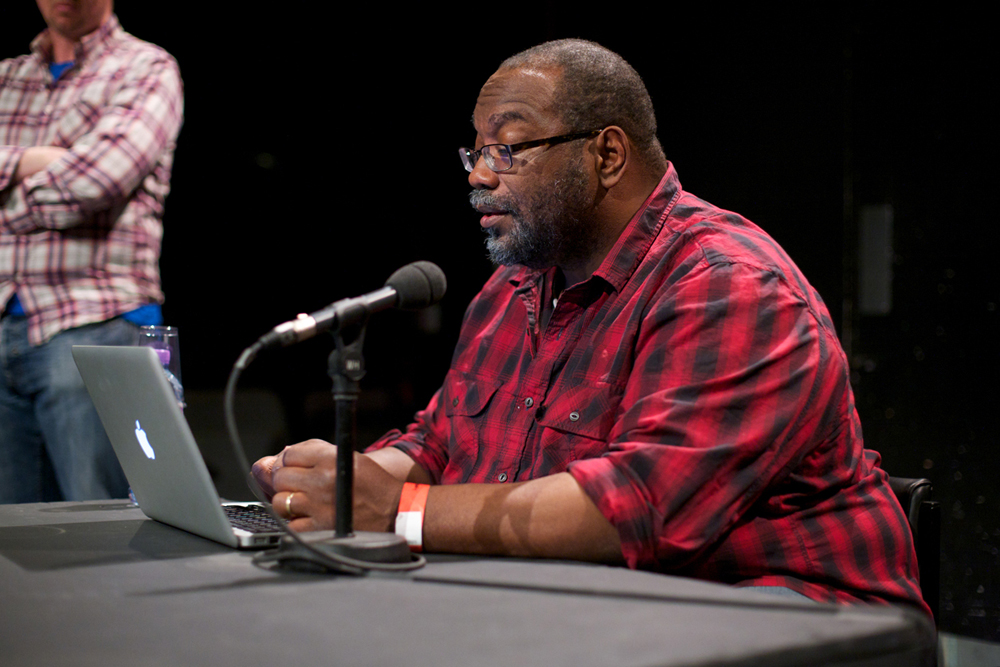
Fred Moten in a black and red shirt prepares for a discussion
21 April 2013
Tramway

Fred Moten – Chat

Fred Moten

In many ways, this Episode is our attempt to engage with Fred’s incredible writing: with his proposal that all black performance (culture, politics, sexuality, identity, and blackness itself) is improvisation.

Episode 4: Freedom is a Constant Struggle
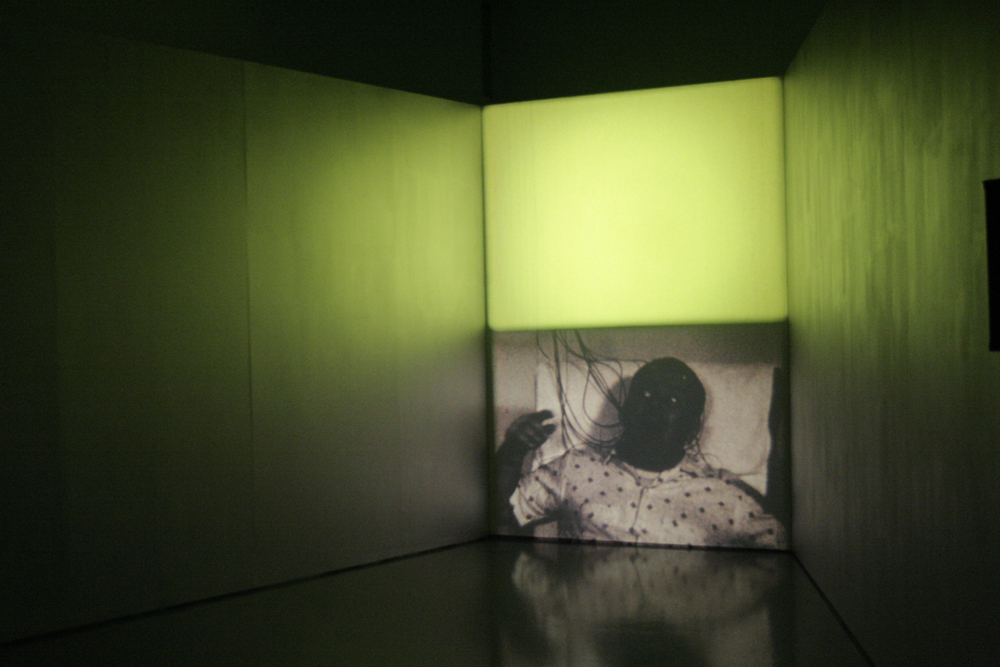
Projection of Epileptic Seizure Comparison (1976) in a corner of DCA Dundee
19 September – 12 October 2008
DCA

Epileptic Seizure Comparison (1976)

Paul Sharits

Paul Sharits one of the great experimental, sometimes called structuralist / materialist, filmmakers of the 20th Century.

Kill Your Timid Notion 08
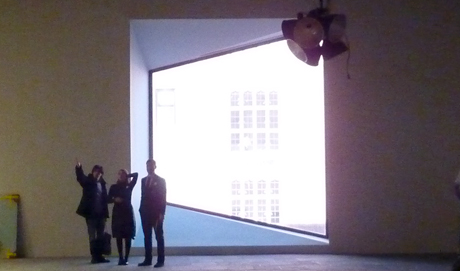
Three figures are silhouetted by a large window in the shape of a parallelogram
4 May 2012
Whitney Museum of American Art

Is a survey a process of listening?

Barry Esson Jay Sanders

A short chat about what we (Arika) might be trying to do with our program for the Biennial.

A survey is a process of listening
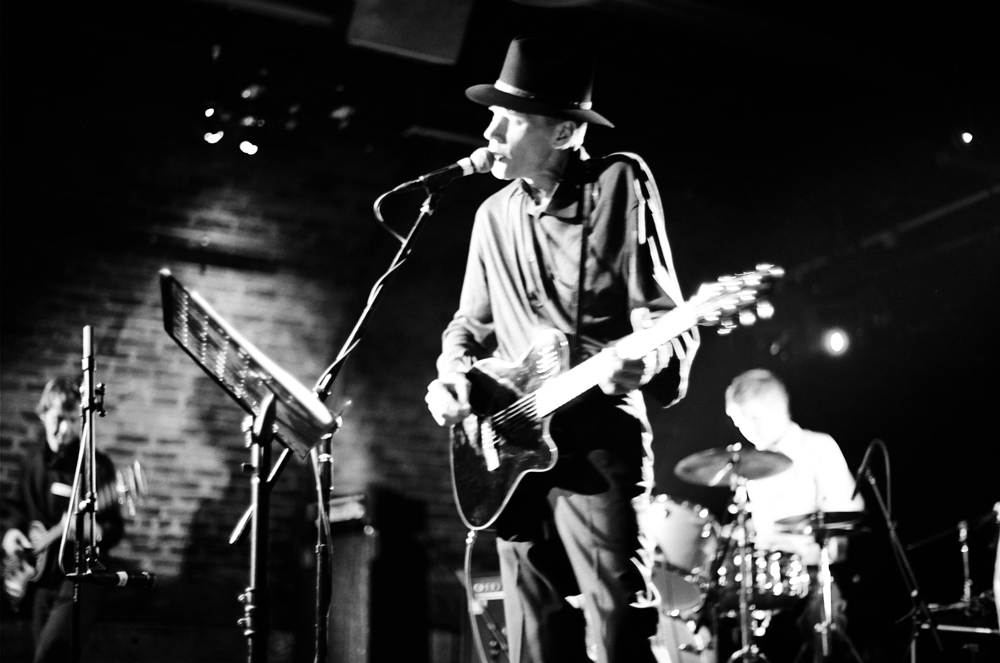
Jandek on stage wearing a hat & playing an electric guitar
17 October 2004
The Arches

Jandek

Alex Neilson Jandek Richard Youngs

Jandek’s first ever live performance. Unannounced, the performance was a total surprise for everybody at the festival.

INSTAL 04
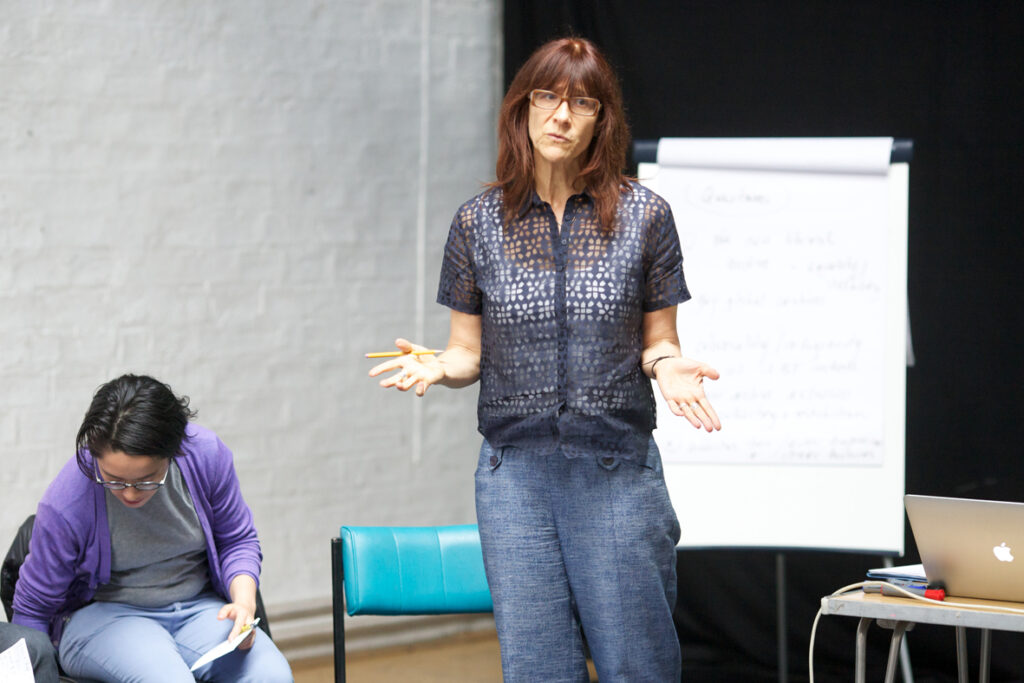
Ann Cvetkovich gesticulates as she stands and talks by a flipchart
26 May 2013
Tramway

An Archive of Feelings

Ann Cvetkovich

The queer archiving of traumatic cultural memory from one of the leading voices working with queer archives.

Episode 5: Hidden in Plain Sight
A woman rides a motorcycle against a sunset lit sky
21 January 2012
CCA

Nina Power discussing November

Hito Steyerl Nina Power

Nina’s going to talk about November, by Hito Steyerl: what and how the film thinks, or about what and how it might makes us think (which is connected, but not the same thing), by watching, and it discussing (with you?).

Episode 1: A Film is a Statement
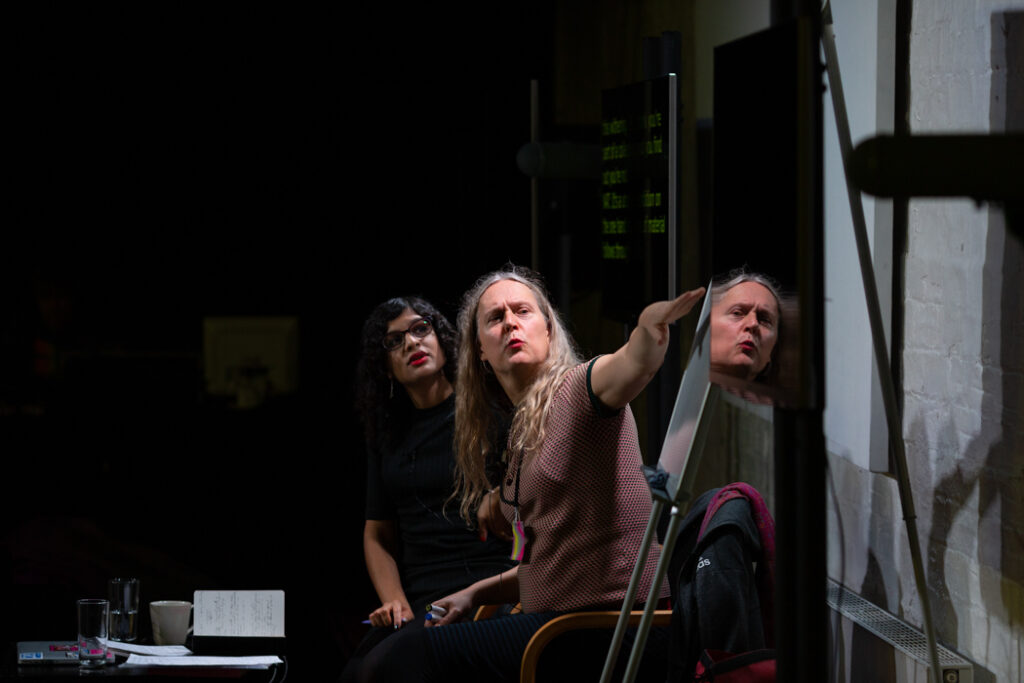
Mijke point to a white board their face is reflected in a tv screen to their lef
24 November 2019
Tramway

Multilogics and Poetics of Radical Transfeminism

Mijke van der Drift Nat Raha

Underlying radical transfeminism, as an urgent critique of binary essentialism and fixed identities, is the call for a new kind of thinking that can move between and integrate the truths of all lives in their transformations.

Episode 10: A Means Without End
10 October 2008
DCA

Micro Notions

Judith Goddard Mike Leggett Mineo Aayamaguchi Peter Donebauer Tony Sinden

Screening of films by Duvet Brothers, David Critchley, David Hall, John Latham, Judith Goddard, Mike Leggett, Tony Sinden

Kill Your Timid Notion 08
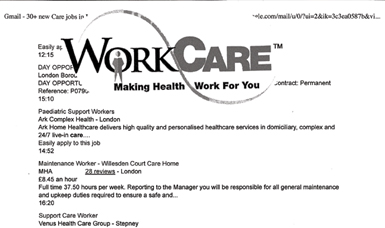
Work Care Making Health Work For You and a list of healthcare jobs
18 April 2015
Tramway

Work Care Class 2 – Care & Therapy

Howard Slater

The second in a series of workshops for workers and non-workers who care. What does the sharing of vulnerability entail? Can such a sharing inform progressive social relations?

Episode 7: We Can’t Live Without Our Lives