An Archive of Feelings
Ann Cvetkovich
The queer archiving of traumatic cultural memory from one of the leading voices working with queer archives.
Arika have been creating events since 2001. The Archive is space to share the documentation of our work, over 600 events from the past 20 years. Browse the archive by event, artists and collections, explore using theme pairs, or use the index for a comprehensive overview.
The queer archiving of traumatic cultural memory from one of the leading voices working with queer archives.
Moor Mother is a musician, Philadelphian housing activist and black quantum futurist.
Julius’ “small music” features simple snatches of found sound, played back through small speakers, often set in bowls of pigment and dirt which shimmies in the vibrations.
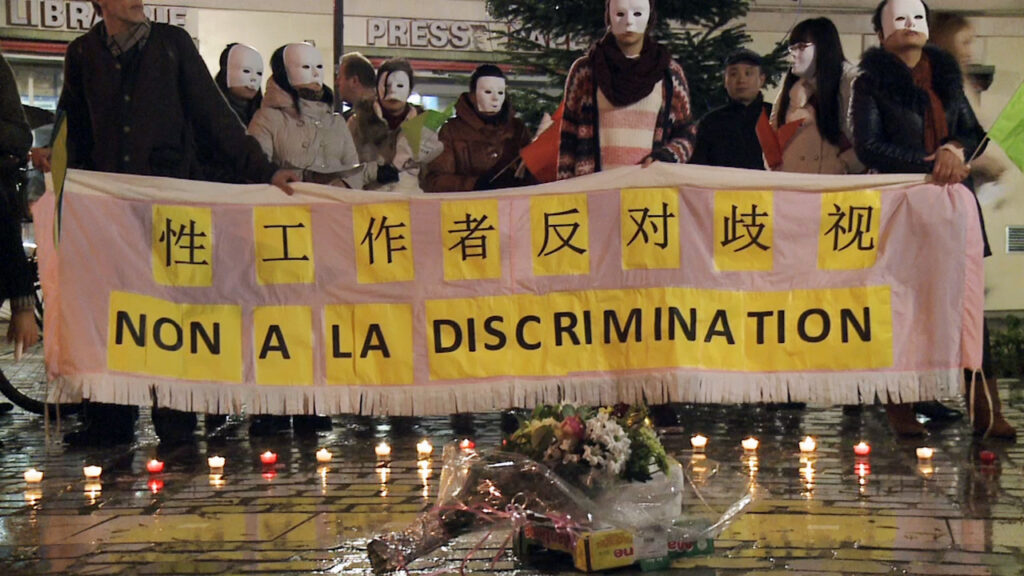
Join Scot-PEP, SWARM and Decrim Now for a day of panel discussions focusing on: sex worker’s labour rights, how decriminalisation can help in the struggle for sex worker safety, sex work & migration with a film screening of Crossings.
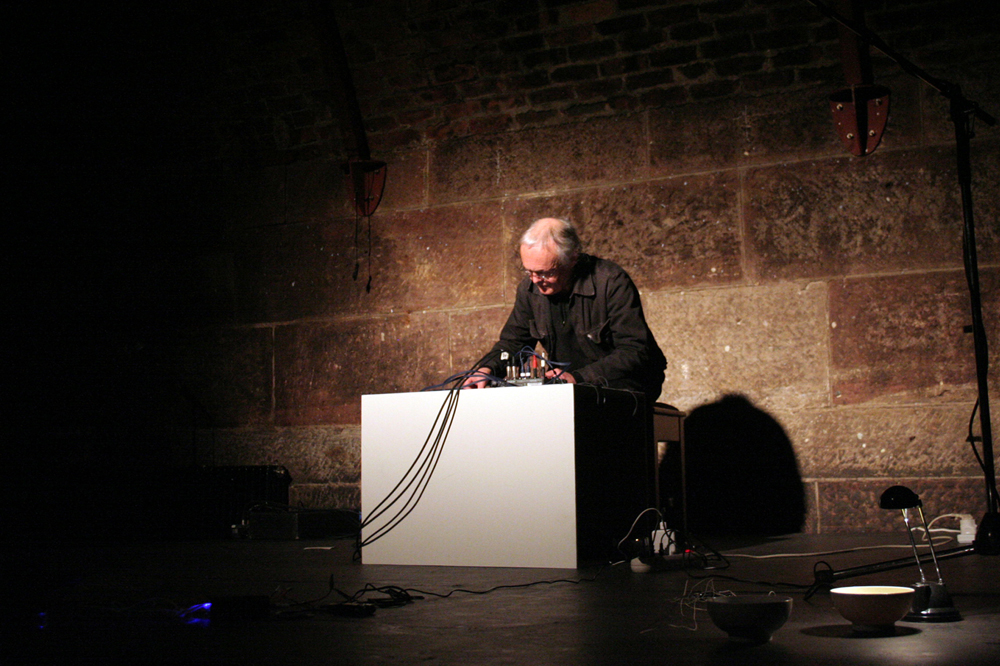
Sarah Washington uses electronics and wind-up radios, running out of charge to repsond to the festivals’ Self Cancellation provocation.
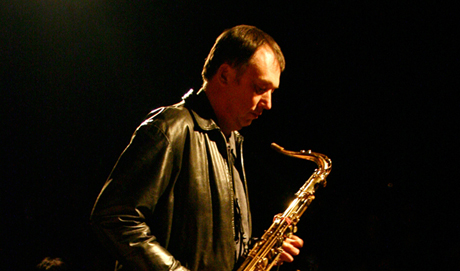
John Butcher plays and manipulates a feeding back saxophone. Benedict Drew on electronics, broken cables and standing waves.
This programme takes human subjects as the focus for sound and image construction. And it includes a couple of masterpieces of experimental film: Paul Sharits’ deeply empathetic interpretation of epilepsy and Peter Kubelka’s Webern inspired abstract portrait of Arnulf Rainer.
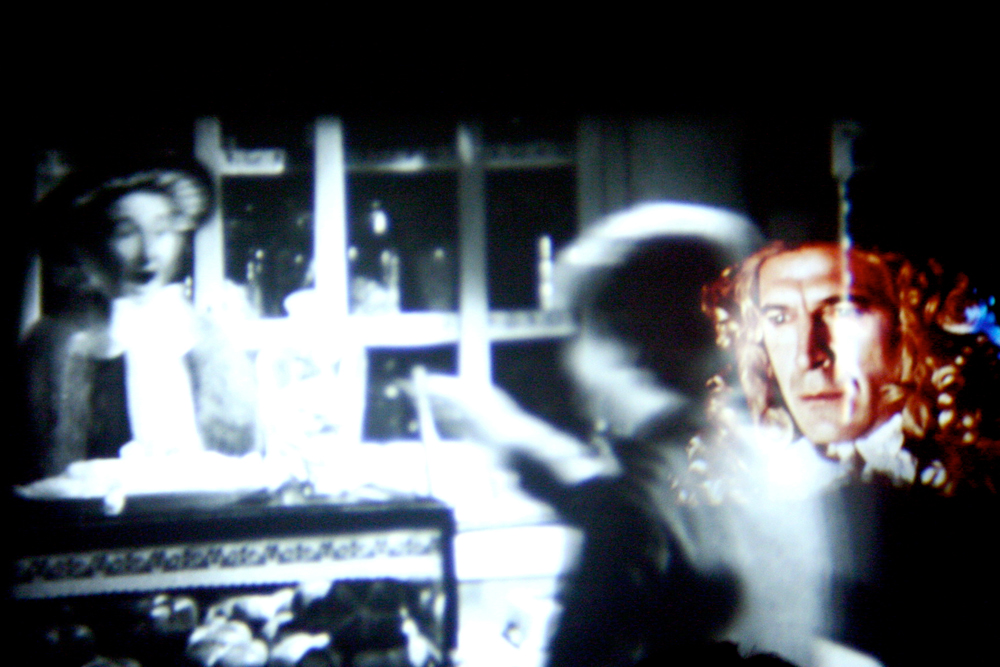
Imagery, drawn from what seems like hundreds of different films is overlaid and combined in a promissory rainbow of new meanings and impossible scenarios, with the unsettling feel of daylight shadows.
Sax/Drums duo of raucous, pealing noise, and cries of beguiling lyricism, whispered sax phrases float in a timbral cloud of bowed metal and rumbling toms.
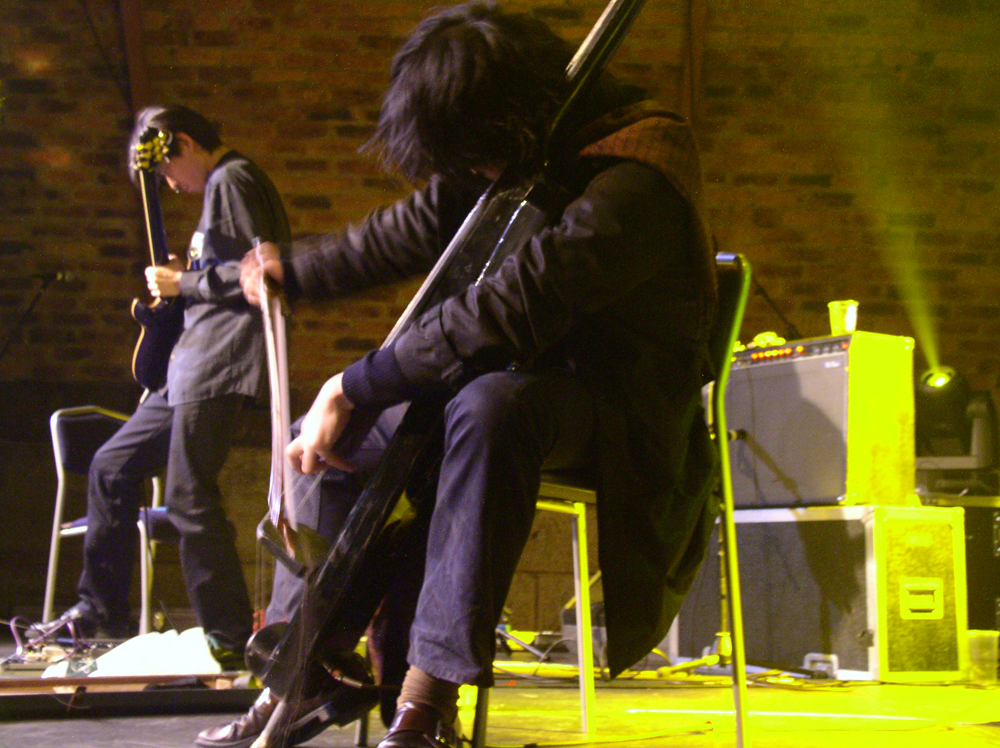
The Experimental Improvisers Association of Japan, [EXIAS-J] are a loose collective of musicians and dilettantes who seem to represent an entire and self sufficient scene in one band.
Three short performances involving social exchange (jumpers, hats, glasses…) and singing (ballads)
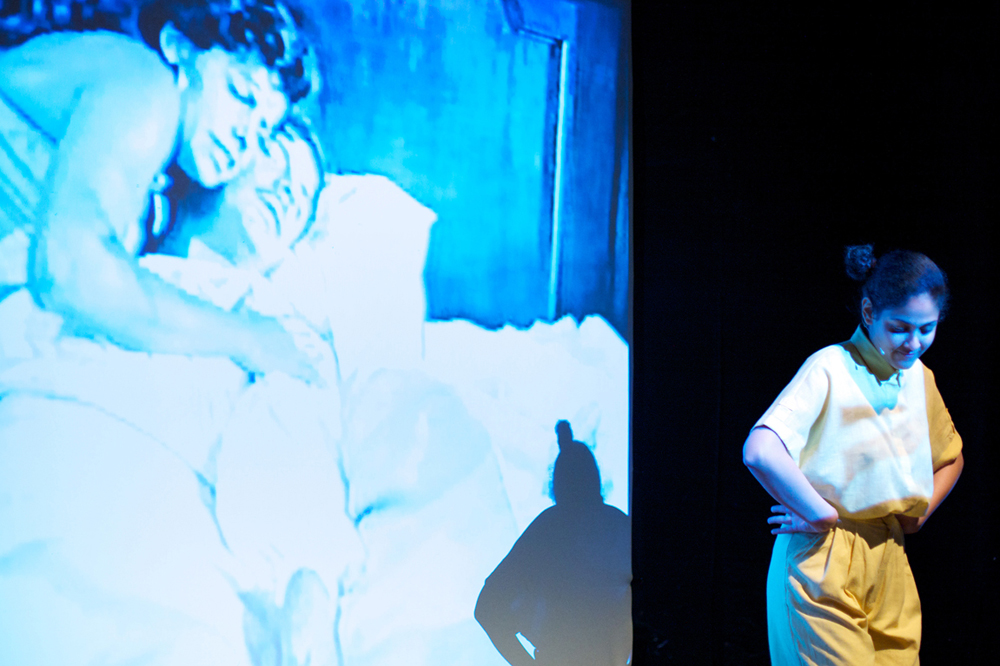
A performed film lecture exploring how the ‘Rumberas’ of Caribbean cinema of the 40’s and 50’s subverted demeaning images of themselves through dance, sound and a sociality that insisted on blackness as being a cultural performance, not simply due to skin colour.