



13 October 2006
The Arches
Oshiri Penpenz
Oshiri Penpenz
No Wave, damaged garage jams and crazed instant vocal shrieks.
INSTAL 06
Arika have been creating events since 2001. The Archive is space to share the documentation of our work, over 600 events from the past 20 years. Browse the archive by event, artists and collections, explore using theme pairs, or use the index for a comprehensive overview.
No Wave, damaged garage jams and crazed instant vocal shrieks.
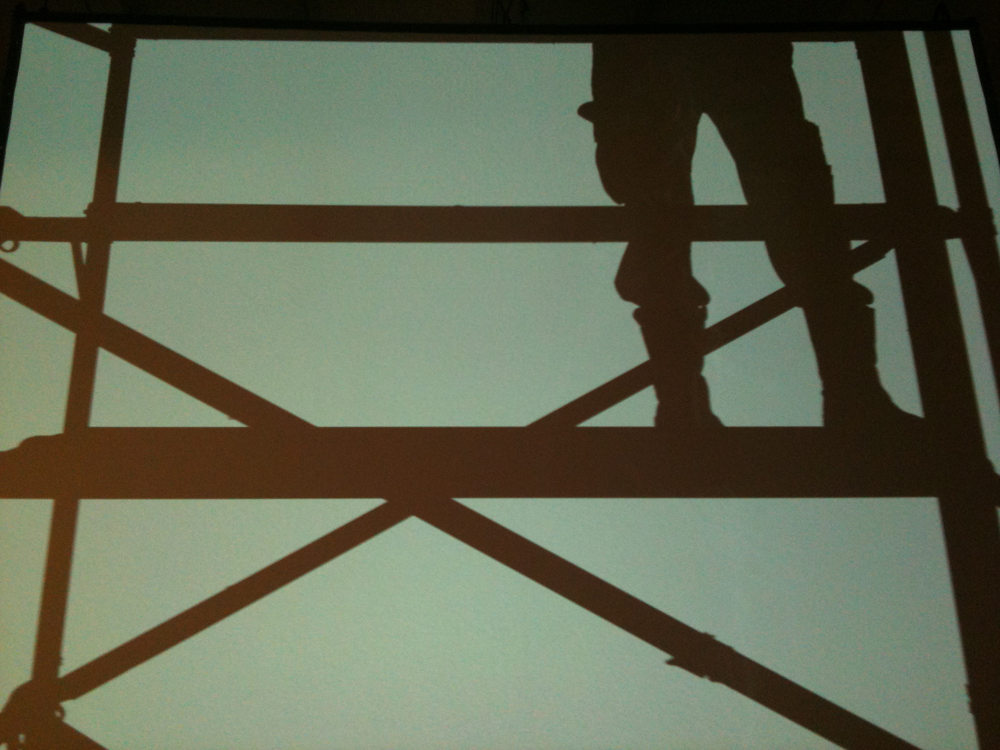
Smith/Stewart set up allegorical situations over which they often have little to no control, but which instigate explorations of dependence and trust, the body, sex and death.
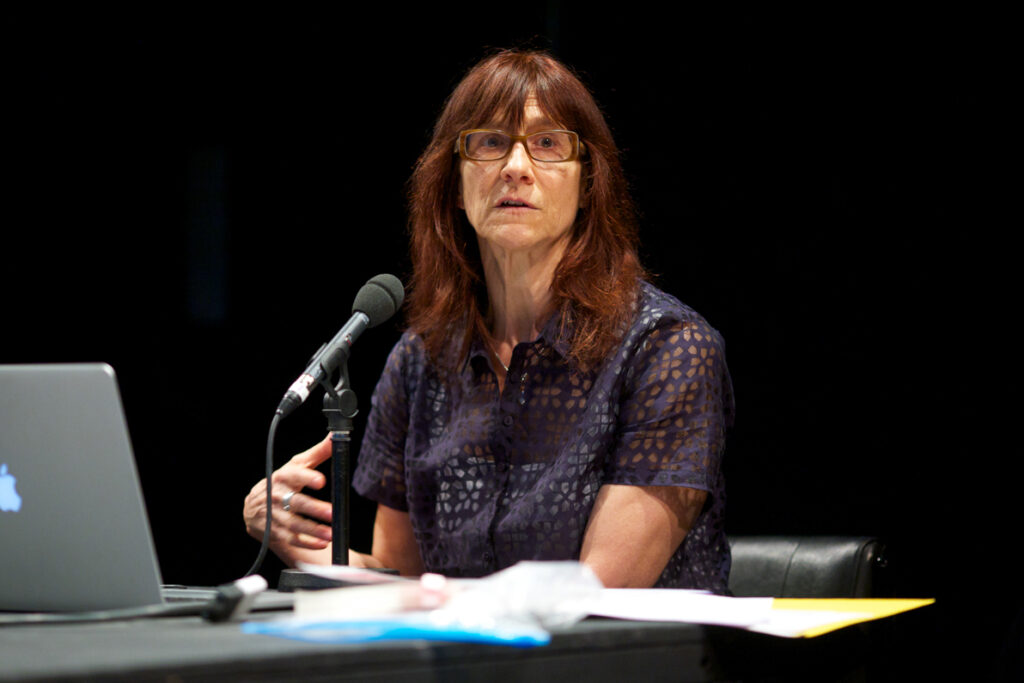
The role of feelings in public life, (political) depression and creative survival.

From really simple, open instructions, An Unrhymed Chord creates a kind of half-way point between composition and improvisation.
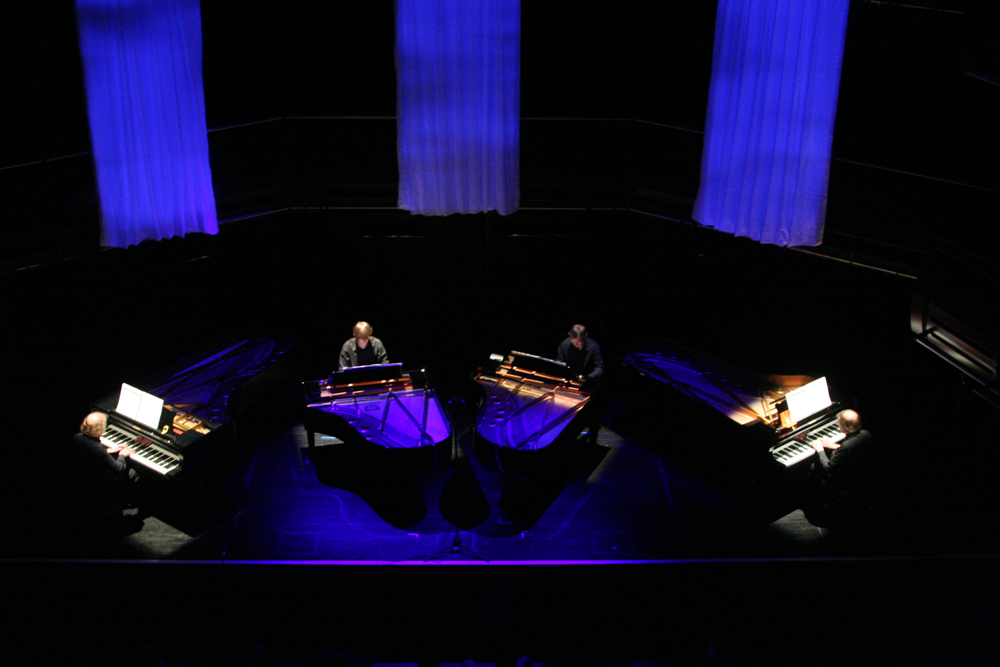
Julius Eastman’s Evil Nigger for 4 pianos performed by Joe Kubera, Kate Thompson, David Murray, Alan Fearon and Simon Passmore.
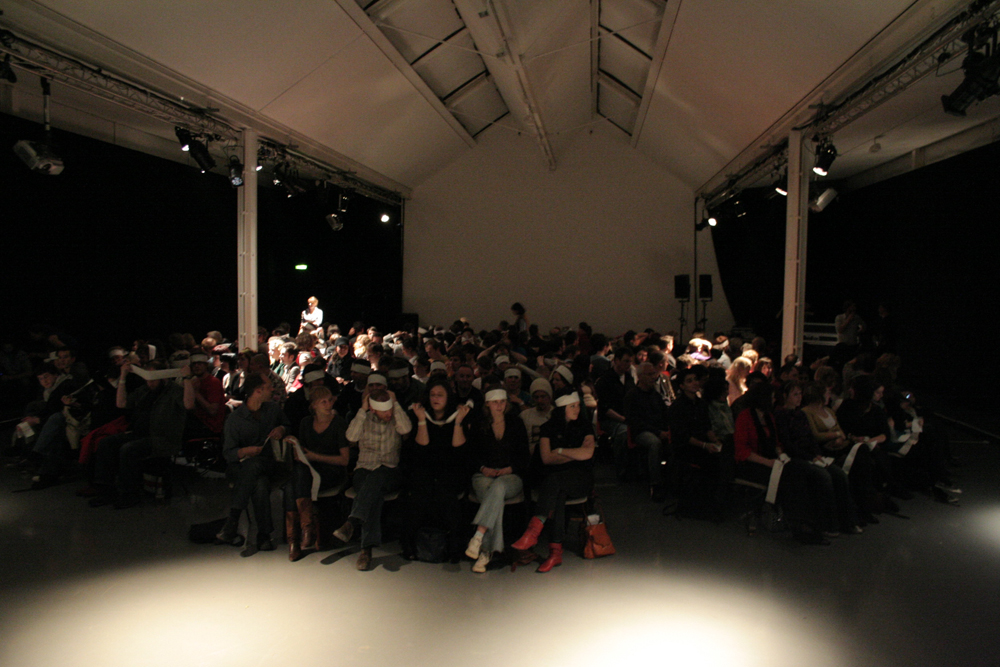
A Performance exploring the nature of acousmatic listening; sound removed from visual context and understood for it’s own properties.
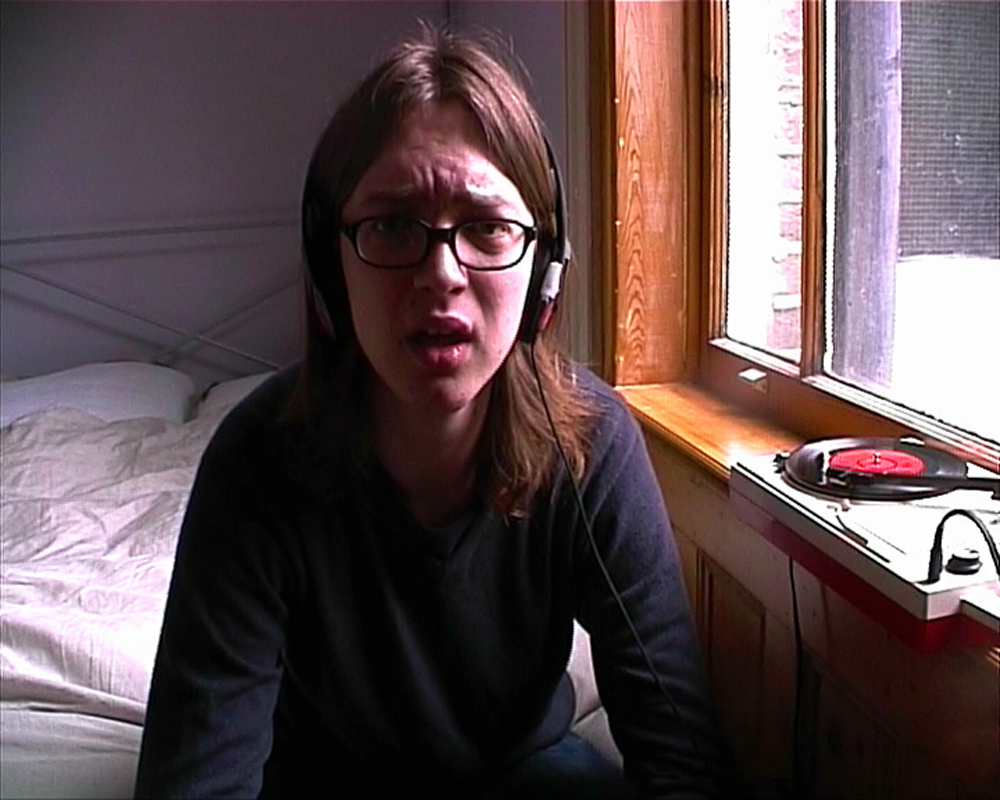
The films in the programme take the essential and fundamental building blocks of cinema (combining sound and image through time) screw about with them, interrogate them and cast them anew.
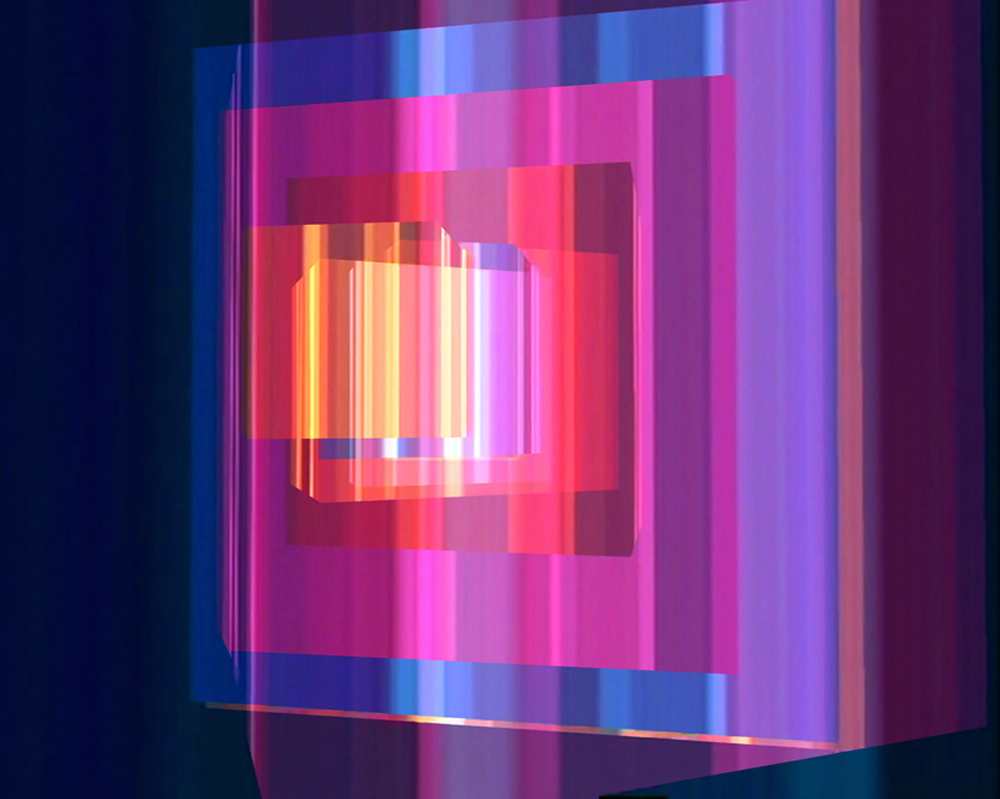
A glance at both analogue and digital processes; the clarity and precision of digital colour or the yawning, endless depth of dye and emulsion, our programme celebrates how both approaches revel in colour, saturation, hue and tone.
Out holler/ howl of English pukenoise posterboys exploded by incessant insect chatter of Northern fug dweller.

A queer black operatic requiem for piano and voice that asks us to stay in the hold of the slave ship, that tries to understand the connection from the slave ship to the prison.
Discussion with David Keenan: an author, critic and musician based in Glasgow, Scotland. He is best known for the reviews and features he has contributed to The Wire.
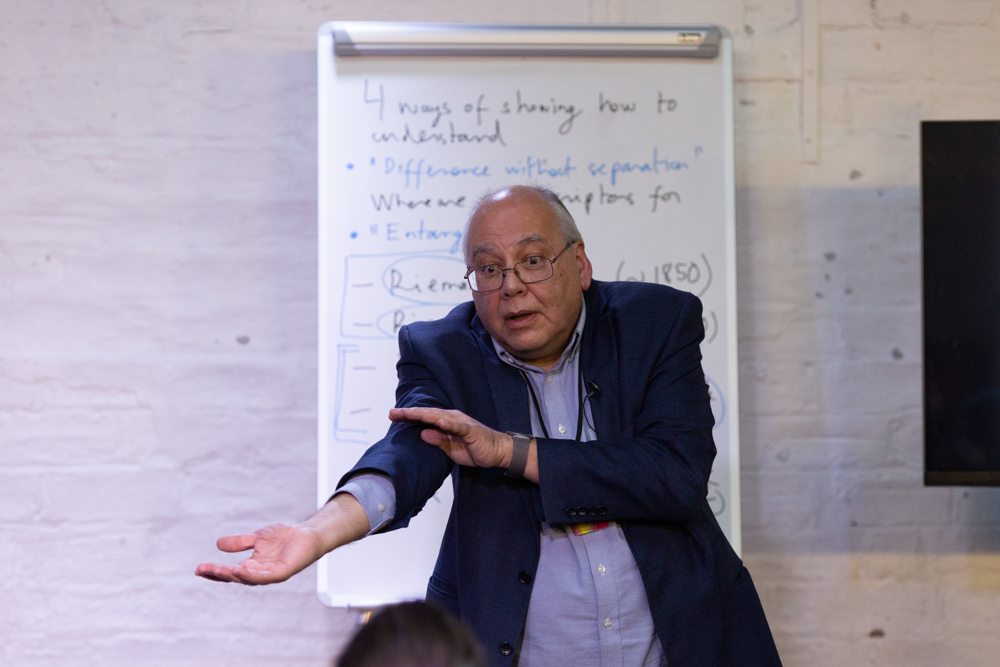
Fernando thinks that when maths is deep, it should be simple and able to be explained by hand gestures. By embodying ideas, we’re able to more clearly think about their cultural implications.