Personal Space
Luke Fowler Richard Youngs
For musical chameleon Richard Youngs both his creative and family life are focused in the room that many of us consider the centre piece of our lives.
Arika have been creating events since 2001. The Archive is space to share the documentation of our work, over 600 events from the past 20 years. Browse the archive by event, artists and collections, explore using theme pairs, or use the index for a comprehensive overview.
For musical chameleon Richard Youngs both his creative and family life are focused in the room that many of us consider the centre piece of our lives.
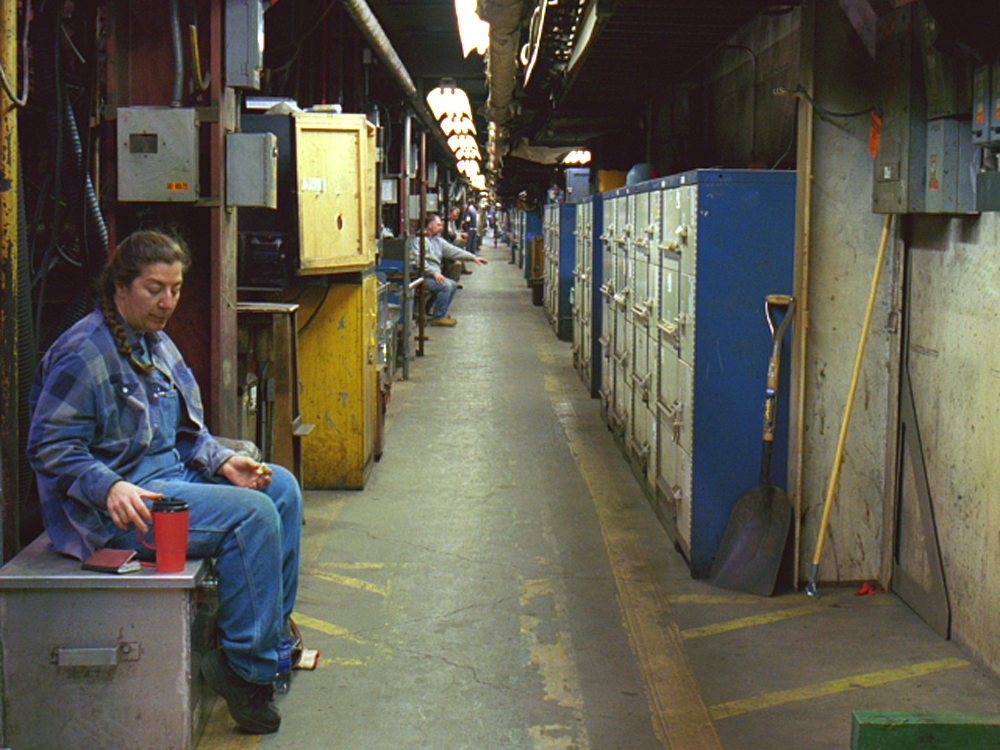
A slowed down single tracking shot along a corridor as workers at the Bath Iron Works, (Maine, USA) take their lunch break.
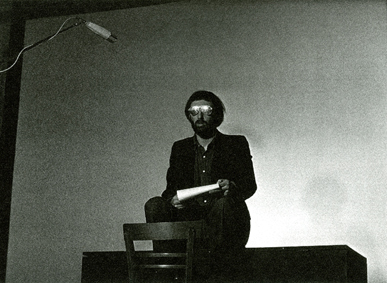
Recently rediscovered but still very pertinent, Kino Beleške presents a series of speech acts and performative gestures by protagonists of the new artistic practice in former Yugoslavia: each a personal take on the role of art in society.
What kind of listening and acknowledging do we offer each other? What is it to listen to an ‘elsewhere’, and do we ever do anything else when we listen to music?
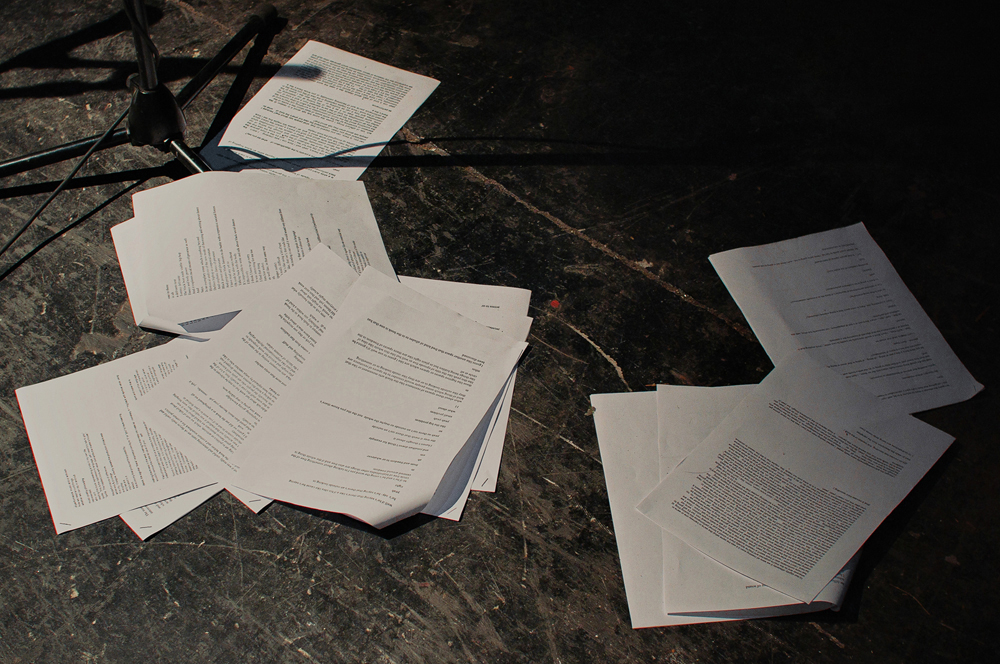
‘Ten Pieces in the Form of Painful Variations’ for piano, an impossible score that looks like a grapeshot musical stave, a text of barbed loathing and doubt – an anti-composition.
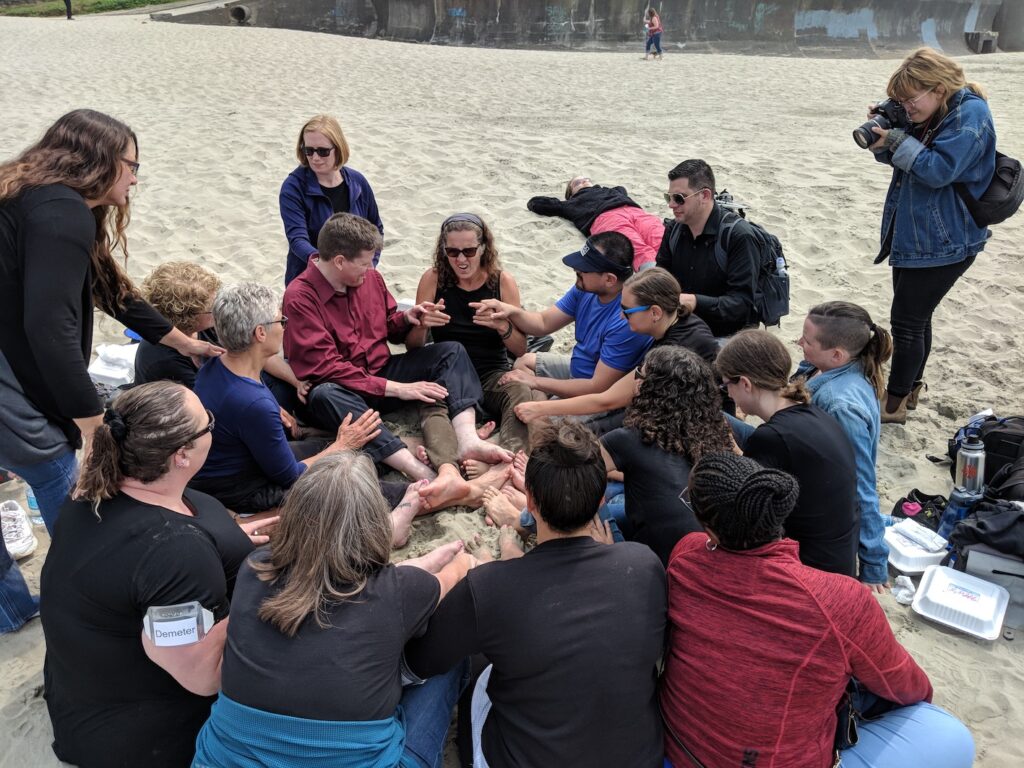
“Introduction to Protactile Theory” is a legendary seminar that facilitator John Lee Clark has designed to bring diverse communities into conversation with the Protactile movement.
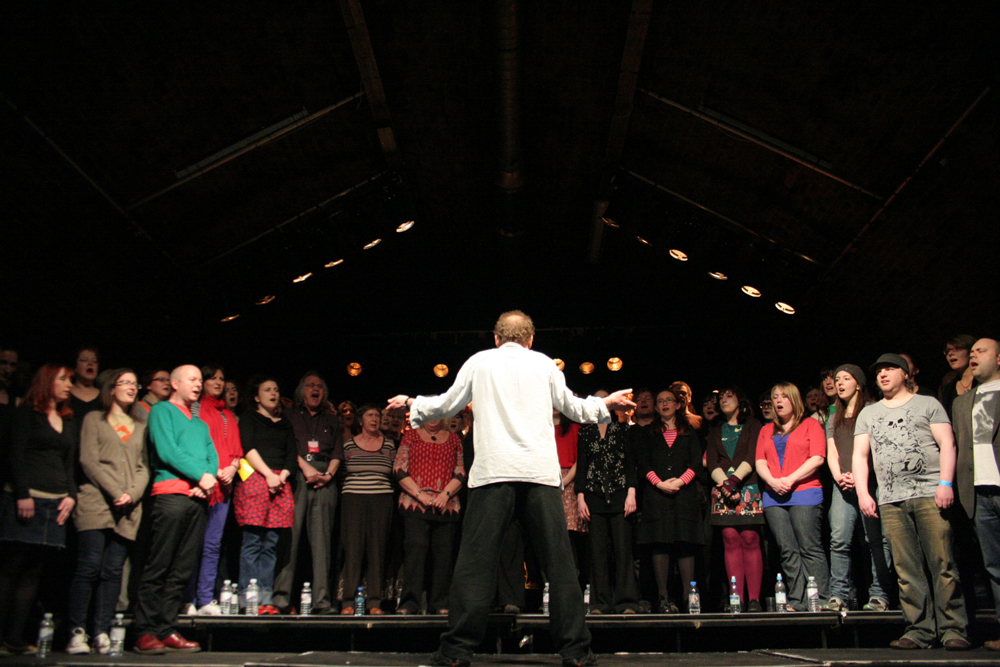
A 100 strong Feral Choir of people who’ve never improvised with their voices before, conducted by composer Phil Minton.
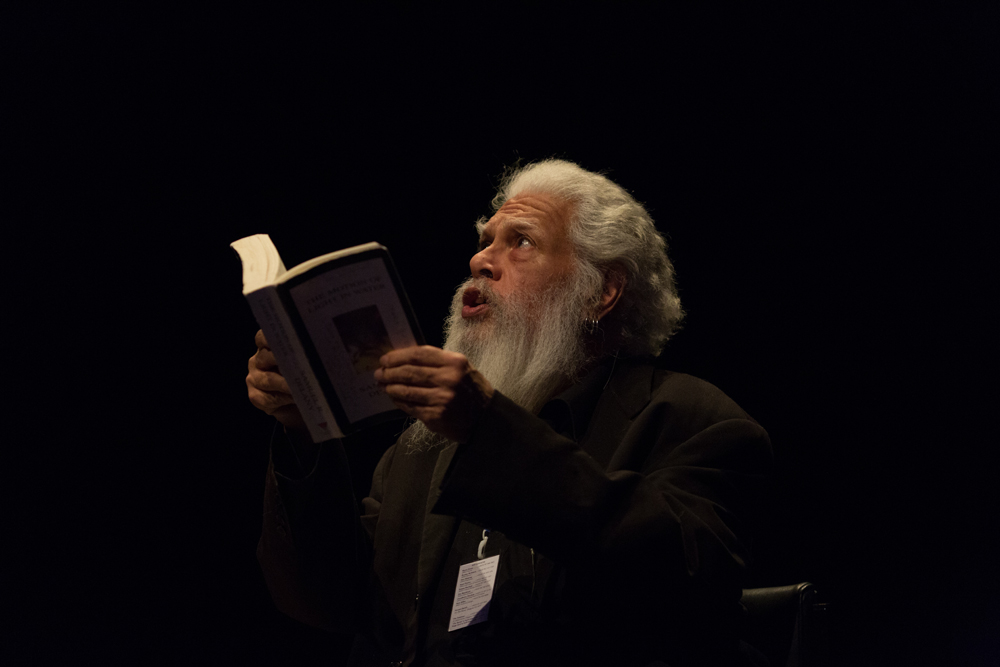
Chip will read some of his great literary pornography, which pushes sexuality to the point of extremity and exhaustion.
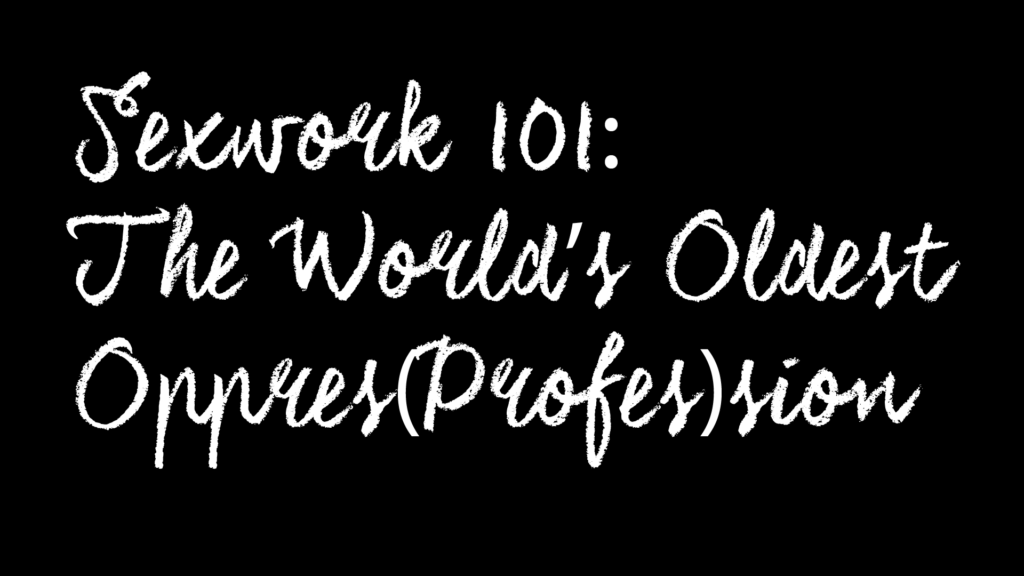
A 101 panel on sex work in Scotland, hosted by National Ugly Mugs, Sex Workers Union, Scotland for Decrim (Decrim Now) host
Jacobs’ pulsing and abstract 3D Nervous Magic Lantern performance grounded by Eric La Casa’s manipulated recordings of everyday locations.
When we look, how do we objectify the body; how can we reflect on our (self) image as a construction?
How can we imagine bodies not as an end in themselves, but as a medium through which we can become one another’s means?