Musica Electronica
Musica Electronica
A sound diffusion piece by Glasgow University’s Musica Electronica, and a further selection of electroacoustic performances.
Arika have been creating events since 2001. The Archive is space to share the documentation of our work, over 600 events from the past 20 years. Browse the archive by event, artists and collections, explore using theme pairs, or use the index for a comprehensive overview.
A sound diffusion piece by Glasgow University’s Musica Electronica, and a further selection of electroacoustic performances.
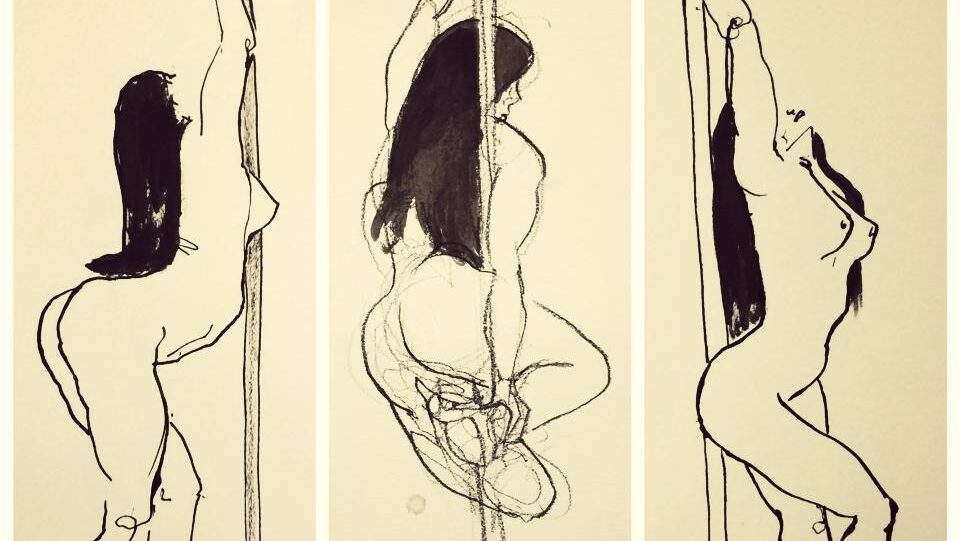
Life drawing class for artists of all genders, backgrounds and levels of ability, 18+. Draw strippers and sex workers as they perform their usual club routines, in a different context; from the strip club to the art gallery.
GIO’s bottomless throat, Blood Stereo’s slobber gobbler and the Mouth Of The South tangle tonsils over Steve McCaffrey’s Carnival
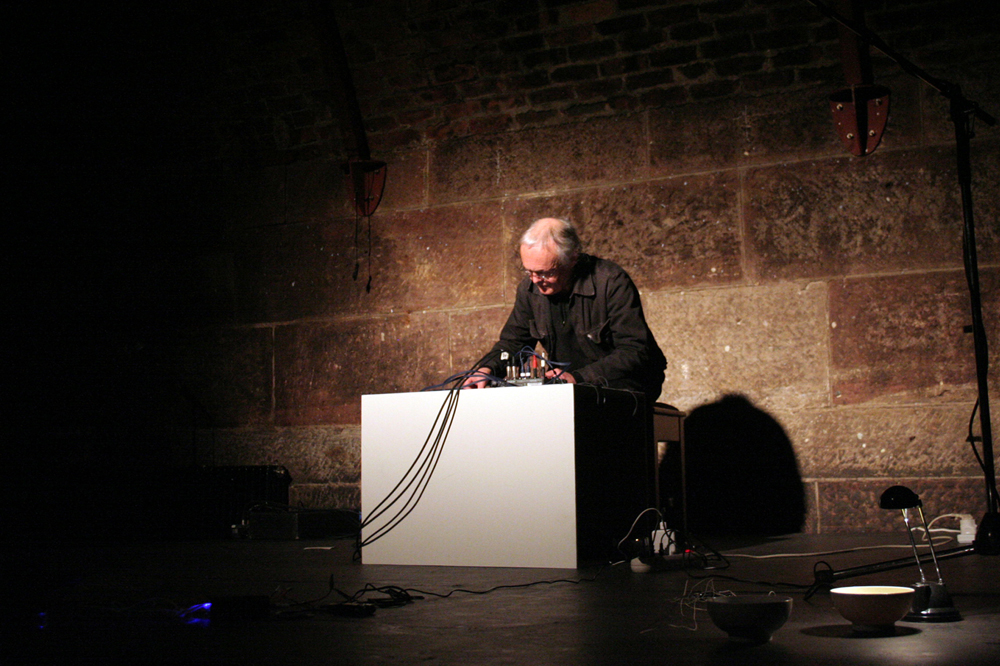
Julius’ “small music” features simple snatches of found sound, played back through small speakers, often set in bowls of pigment and dirt which shimmies in the vibrations.
An LSD trip gone right via dense explorations of post-Fahey steel and low level drone.
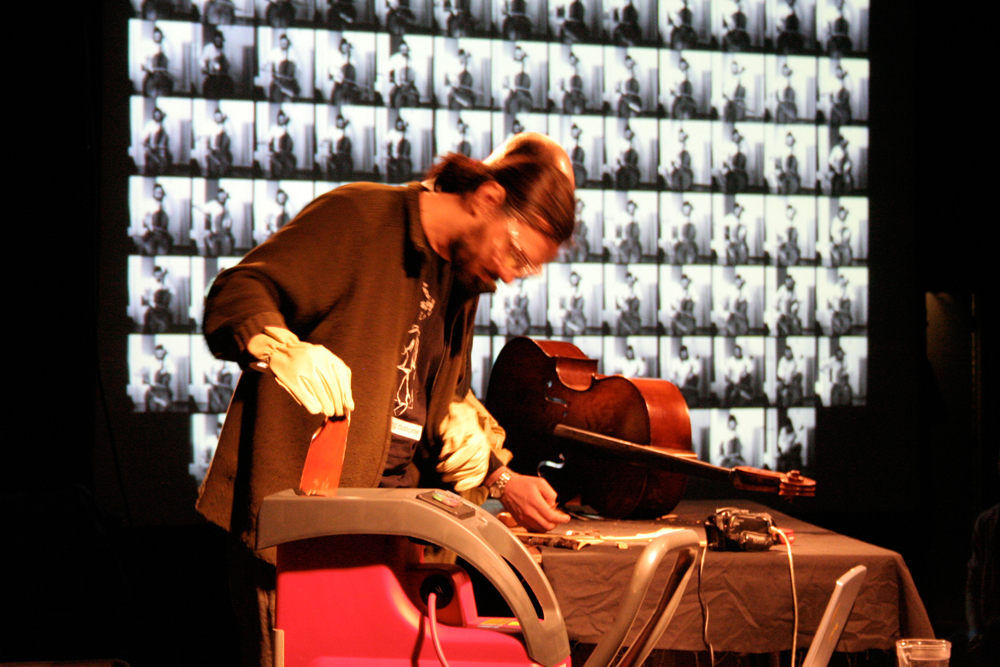
Nikos played every note that it’s possible to play on the cello, all played back as a one hour drone, while the cello was turned to powder and bottled.
Noise music for the eyes: projectors turned into instruments, B&W film loops into a thrumming riot of colour, motion and sound.
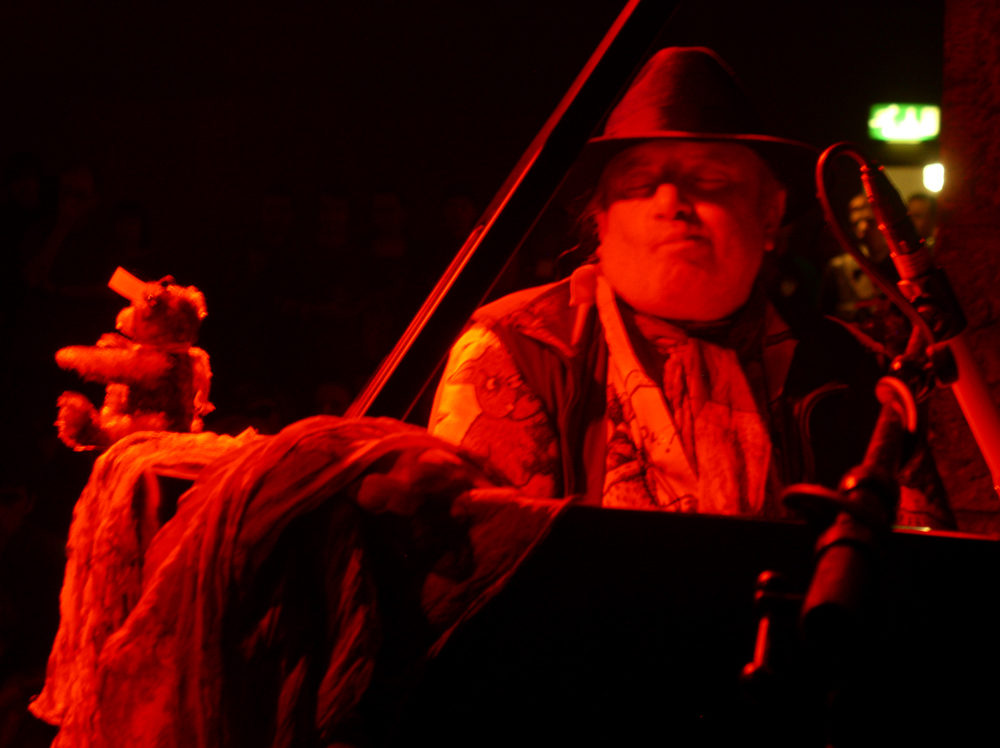
An extravagant debauch of plush toys and ritual. Palestine performed a version of Strumming Music, a trance inducing investigation into overtone systems achievable on a Bosendorfer Imperial Piano.
Heat-mapped bodies, found porn films, Korean psyche-folk, creepy police intrusion and self-defence.
On the birthday of Marsha P. Johnson, this event brings together several elements that celebrate the radical care and kinship characteristic of the Trans revolutionary.
Glasgow based artist Defaalt invites the audience to collaborate fully in his performance by means of a generative graphical interface.
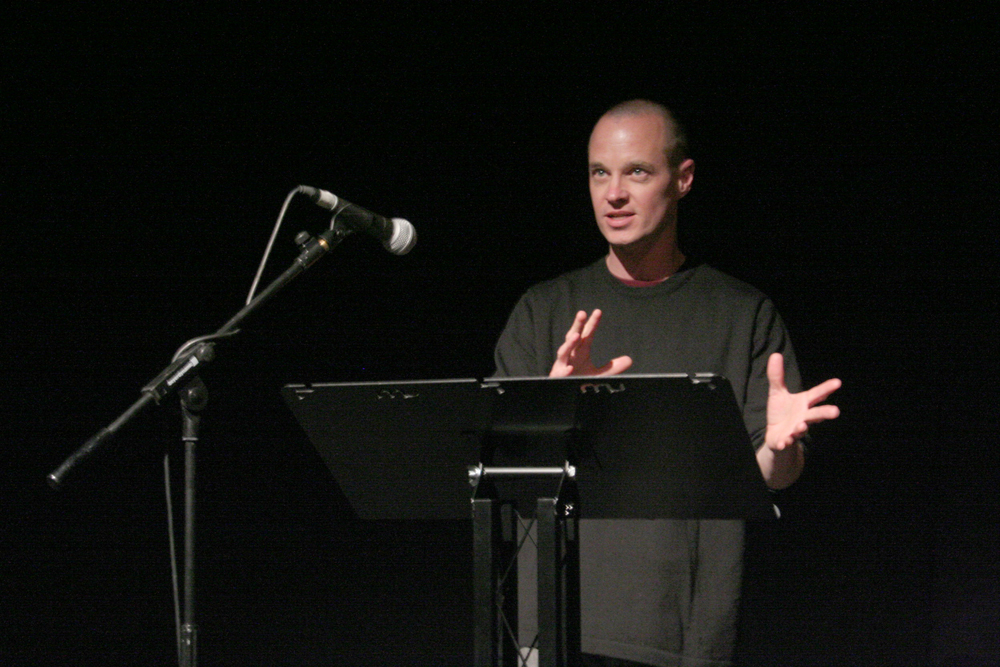
Dworkin asks: What would a non-expressive poetry look like? A poetry of intellect rather than emotion?